The Simple Routine for Spotless, Long-Lasting Bamboo Essentials
You unpack your bag after a long trip across India, unroll your travel pouch, and notice a damp bamboo toothbrush sitting against a dark wooden spoon. If you have ever felt a knot in your stomach worrying about mould, mildew, or split wood, you are not alone. Natural grass fibre behaves very differently from synthetic plastics. Getting your bamboo travel kit care routine right from day one prevents discolouration, keeps bad odours away, and ensures every single piece stays hygienic for dozens of journeys.
Taking proper care of plant-based travel goods does not require harsh sanitising chemicals, boiling water, or industrial dryers. In fact, aggressive heat and sealed, humid containers are the fastest ways to ruin your gear. Whether you are freshening up soft reusable rounds or packing away your combs and cutlery, adopting mindful maintenance habits will make your investment last. If you want to build a truly circular routine that minimises daily waste without extra fuss, discover Eco-Transformation: Aegle Sriphal’s Sustainable Product Initiative and see how simple, honest craftsmanship makes sustainable living achievable across South Asia.
Direct Answer: The Golden Rules of Bamboo Travel Kit Care
If you want the quick version before diving into specific items, remember these fundamental rules:
- Never soak bamboo: Submerging whole stalks or handles causes the natural fibres to swell, warp, and crack as they dry.
- Skip the dishwasher entirely: High heat, heavy water jets, and harsh alkaline detergents strip away natural protective surfaces.
- Airflow is everything: Never seal slightly damp items in airtight plastic zipper bags or humid hotel toiletry cases.
- Wipe, rinse, and upright dry: Clean immediately after use, towel off surface water, and stand pieces upright in open air.
If you are currently choosing your setup, our detailed bamboo travel kit buying guide breaks down ideal materials and daily uses. In this guide, however, we focus purely on post-purchase upkeep: keeping those pieces clean, dry, and safe to use.
Component-by-Component Cleaning Guide
A proper travel set contains several distinct items, each needing specific attention. Do not treat a dense dining fork the same way you treat delicate cotton-blend rounds or a soft-bristled brush.
1. The Bamboo Toothbrush
Your toothbrush faces water twice a day, making it the most vulnerable item in your kit.
- Cleaning: After brushing, rinse the bristles thoroughly under lukewarm running tap water. Use your thumb to massage away residual toothpaste lodged at the base of the tufts. Avoid boiling water, as intense heat can loosen the bristle anchors.
- Drying: Shake off excess water vigorously. Rub the wooden neck and handle dry with a clean cloth.
- Storage during trips: Stand it upright in an open tumbler. Do not lock it inside a travel case until it is dry to the touch.
2. Travel Cutlery (Fork, Spoon, Knife, Straw)
Street food, curries, and office lunches leave oils and spices behind that can stain light-coloured wood.
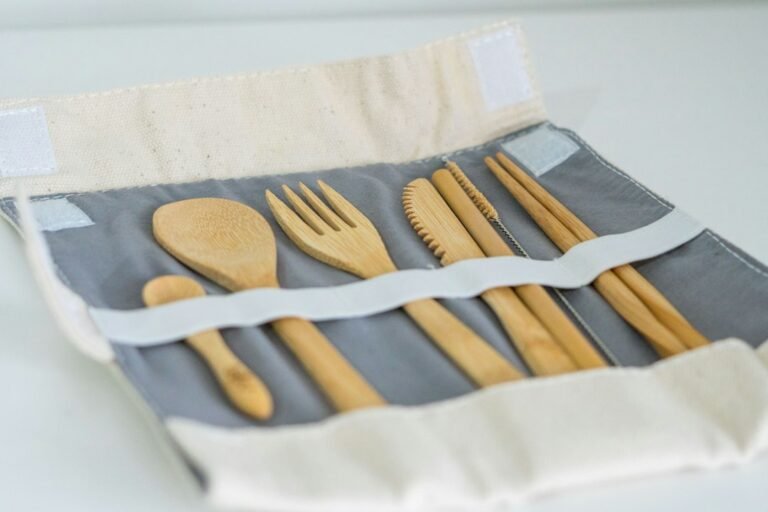
- Cleaning: Wash with mild, plant-based dishwashing liquid and a soft sponge. Never use abrasive metal scrubbers. For reusable straws, use a narrow wire straw brush to remove trapped smoothies or juices.
- Stain treatment: Turmeric and dark sauces will leave temporary yellow marks. Do not bleach them. Wash immediately, and let sunlight naturally fade the colour.
- Maintenance: If you eat out often and want dedicated dining tools that clean up fast, you can Explore Reusable Bamboo Cutlery designed specifically for simple hand washing.
3. Hair Combs and Brushes
Wooden combs glide smoothly through hair without static, but they accumulate natural scalp oils, lint, and product buildup over time.
- Cleaning: Pull trapped hair out after every use. Once every fortnight, dip an old toothbrush into warm water mixed with a drop of gentle shampoo, and lightly scrub between the teeth.
- Drying: Never submerge the paddle or comb spine. Pat dry with a towel and leave the teeth facing downward on a dry cloth. You can read our advice on bamboo personal care tools to understand how pure wood parts differ from mixed components during washing.
4. Reusable Facial Cleansing Rounds
While brands like Cocokind promote washable facial pads as practical single-use swaps, cotton and bamboo-rayon pads require careful laundering so they do not hold onto makeup or bacteria.
- Rinse immediately: Wash out waterproof makeup or dark mascara using a dab of gentle soap right after use.
- Machine washing: Place rounds inside a mesh laundry bag to stop them from disappearing inside your washing machine drum. Run them on a normal cycle (up to 40°C) with mild detergent.
- Avoid softeners: Chemical fabric conditioners coat natural fibres, severely reducing their absorbency.
5. Bamboo Box and Storage Pouches
The travel casing keeps everything organised, but it catches dirt from luggage interiors and damp hotel counters.
- Cotton or jute pouches: Hand wash in cold water using gentle detergent and air dry flat.
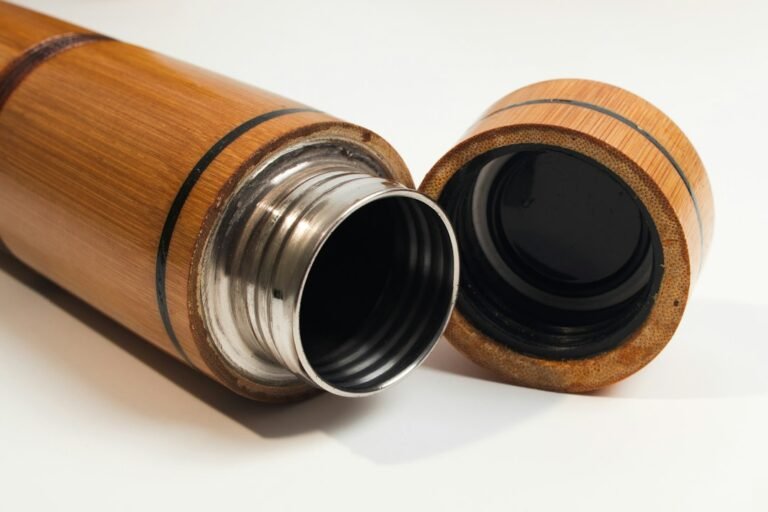
- Solid bamboo storage boxes: Wipe down the interior and exterior with a barely damp microfibre cloth once a month. Air out completely with the lid open before packing items inside.
Avoiding Common Mistakes: The Science of Mould Prevention
Why does bamboo go dark or smell stale? Bamboo is a dense, fast-growing woody grass. While it features natural cellular durability, untreated cut surfaces still absorb environmental moisture.
When you trap moisture inside a closed toiletry bag in tropical or humid climates across India and South Asia, dormant fungal spores find warmth, dampness, and darkness. Within 48 hours, small grey or black speckles appear.
Many internet sources claim you should boil your wooden kit or soak it in vinegar weekly. Avoid doing this. Routine boiling weakens the natural lignins that bind the fibres together, leading to hair-line splinters. Frequent vinegar baths can dry out the surface, making the cutlery feel rough against your lips. Simple mechanical washing with mild soap and complete air-drying works best.
If you are packing for a trip right now, Explore the Bamboo Travel Kit to see how purpose-built breathable storage cases keep everyday essentials dry on the move.
Comparison: Bamboo vs Conventional Plastic Travel Care
Caring for natural items requires a slight mindset shift if you grew up using throwaway plastic goods. Here is how maintenance compares across common travel essentials:
| Feature | Bamboo Travel Essentials | Cheap Plastic Alternatives |
|---|---|---|
| Washing Method | Quick hand wash with mild soap | Dishwasher safe, detergent resistant |
| Drying Need | High; requires active airflow | Low; dries quickly on any surface |
| Odour Resistance | High, provided it dries thoroughly | Low; retains food and paste smells |
| Heat Resistance | Moderate; keep away from boiling water | Low; warps near hot pans or tea |
| Environmental End-of-Life | Fully compostable or biodegradable | Persists in landfills for 400+ years |
| Impact of Moisture | Can stain or mould if sealed wet | Chemically inert; does not mould |
Plastic might forgive you for throwing it wet into a sealed bag, but it sheds microplastics and sits in landfills forever. Spending thirty seconds drying your bamboo pieces is a minor trade-off for a clean conscience and a toxin-free morning routine.
Deep Conditioning: When and How to Oil Wooden Items
Every few months, especially following dry winter travel or hot summer runs, your cutlery handles, comb teeth, and storage boxes might begin to look dull, ash-coloured, or rough. This means the wood’s natural moisture has evaporated.
What Oil Should You Use?
- Best choice: Food-grade mineral oil or pure fractionated coconut oil.
- What to avoid: Raw mustard oil, unrefined olive oil, or vegetable cooking oils. These food oils oxidise, turn rancid, smell terrible, and leave a sticky residue that attracts dust.
The 3-Step Reconditioning Method
- Ensure the item is clean and 100% dry.
- Pour two drops of oil onto a soft cloth and rub it along the grain of the bamboo.
- Allow the oil to soak in for 20 minutes, then buff the surface firmly with a dry towel to remove any excess oil.
Your utensils will regain their warm golden hue, repel water droplets much better, and resist food stains. For more tips on pairing sustainable travel gear with your routine, read our guide on reusable everyday essentials in India.
Safe Storage: At Home and On the Move
Proper storage prevents accidental contamination and protects your items from mechanical damage inside tight rucksacks.
While Travelling
- Avoid plastic ziplocks: Never use airtight plastic zipper pouches for bamboo toothbrushes or cutlery.
- Use breathable fabrics: Pack items inside pure cotton wraps, canvas sleeves, or vented cases that allow water vapour to escape.
- Separation matters: Keep personal hygiene items separated from dining cutlery. If your toothbrush case has ventilation holes, ensure they stay clear of lint inside your bag.
Between Trips at Home
When you return home, do not leave your travel kit tucked inside your suitcase in a dark wardrobe.
- Unpack every item immediately.
- Give everything a routine wash and let it sit on a clean kitchen drying rack for 24 hours.
- Store pieces in a dry, ventilated drawer or shelf away from direct bathroom steam.
Staying hydrated while travelling is just as important as keeping your hygiene kit clean; consider checking out a View the Bamboo Water Bottle option to keep your drinks cold while reducing single-use plastic bottles on your travels.
When to Retire and Replace Your Bamboo Items
Natural items do not last indefinitely, and knowing when to retire them is essential for proper hygiene.
Responsible Disposal
When it is finally time to part with worn items:
- Toothbrush: Pull the nylon bristles out using small pliers and bin them in standard waste. Drop the bare bamboo handle into your home garden compost or wet-waste collection.
- Cutlery & Combs: If untreated with synthetic lacquers, chop them into smaller pieces and add them straight to compost or soil. They break down naturally over several months.
- Cotton/Bamboo Rounds: Cut them into strips and add them to organic compost, provided they were not used with petrol-based chemical solvents.
Frequently Asked Questions
Can I put my bamboo travel items in the microwave or steriliser?
No. Never put bamboo utensils or travel cases in a microwave, baby bottle steam steriliser, or oven. The rapid moisture evaporation will crack the structural fibres, permanently splitting your item. Lukewarm water and hand soap provide all the hygiene you need.
What should I do if my bamboo toothbrush develops dark spots?
Dark grey spots near the bristle base usually indicate early mould growth caused by standing water in a cup. If it is surface-level, scrubbing with a stiff brush and baking soda paste can remove it. However, if the discolouration has penetrated deeply into the wood grain, replace the toothbrush immediately.
How do I keep my bamboo straw clean without a dishwasher?
Rinse the straw under running tap water immediately after drinking. Push a small wire straw brush with a dab of washing-up liquid back and forth through the entire length of the tube. Rinse thoroughly and stand it upright in an airy spot so water drains completely.
Mindful Travel Starts With Proper Care
Switching to sustainable personal care is one of the easiest ways to curb daily plastic waste across South Asia. But choosing eco-friendly travel gear is only half the journey; caring for it correctly ensures it stays functional, beautiful, and safe for years.
By avoiding excess soaking, giving items room to breathe, and conditioning natural fibres occasionally, you create an effortless zero-waste habit that fits every journey. If you are looking to refresh your travel bag with durable, earth-friendly essentials, explore the full range of natural items by visiting Eco-Transformation: Aegle Sriphal’s Sustainable Product Initiative today.