Redefining Daily Carry: Why Natural Plant Fibres Are Winning the Streets
Have you ever had a thin grocery bag snap on you halfway home? It is frustrating, messy, and entirely avoidable. For decades, single-use polythene dominated convenience, leaving a trail of non-biodegradable waste across cities, waterways, and landfills. Today, conscious consumers and thoughtful organisations are seeking practical solutions that do not compromise on aesthetics or strength. Plant-fibre bags have stepped into this space, turning routine shopping runs, commute routines, and corporate events into effortless opportunities for sustainable living. When you switch to natural materials, you carry more than your lunch or fresh produce; you make a visible statement about resource conservation and mindful consumption.
As communities seek functional alternatives to plastic carrier bags, the demand for high-grade textiles like golden jute has surged dramatically. Embracing functional, earth-friendly textiles allows you to upgrade your wardrobe while protecting the soil and oceans. If you want to elevate your everyday routines with durable materials, Eco-Transformation: Aegle Sriphal’s Sustainable Product Initiative provides high-tensile, beautiful solutions that celebrate renewable craftsmanship. Choosing reusable bags made with natural fibres proves that everyday convenience and planetary stewardship can work hand in hand, helping us step away from throwaway packaging for good.
The Problem with Conventional Bags: Why Synthetic Totes Fall Short
Let us address an awkward truth about the “reusable” revolution: not all reusable carriers are created equal.
Most branded conference bags and cheap supermarket alternatives are made from polypropylene (PP). Polypropylene is essentially spun plastic. While marketed as green because you can reuse them, they still shed microplastics every time they brush against your clothes or sit in a warm car boot. Once they rip, they cannot naturally degrade in domestic compost or community waste facilities.
Then consider standard cotton totes. Regular cotton requires vast quantities of fresh water, alongside intensive pesticide treatments during farming. When you buy a lightweight promotional cotton tote, it often features thin webbed strap handles that dig agonizingly into your palms the moment you load two glass jars or a laptop inside.
This is where golden jute changes the equation completely:
- Incredible tensile strength: Jute fibres possess extreme natural resilience, capable of bearing heavy loads without snapping at the seams.
- Low agricultural impact: Rain-fed and requiring minimal chemical fertilisers, jute enriches the soil where it grows rather than stripping away essential nutrients.
- Pure biodegradability: At the end of its life cycle, raw plant fibre decomposes naturally into organic matter, leaving zero microplastic residue behind.
When your daily errands require carrying heavier loads, pairing this tough fibre with ergonomic carry features is the missing link for real everyday utility.
Ergonomic Comfort Meets Everyday Utility
We have all carried a heavily loaded tote bag that turned our fingers numb within ten minutes. Traditional jute sacks, while tough, are notorious for rough, coarse weaves that irritate bare skin. If a bag hurts to carry, people stop using it, ending up back at square one with flimsy disposable bags.
The modern solution lies in ergonomic engineering: soft, padded handles. By wrapping smooth, cushioned cotton casing around durable inner cordage, the contact pressure gets distributed across your palm and fingers. You can pack multiple water containers, heavy books, or weekly market vegetables without feeling the weight cutting into your skin.
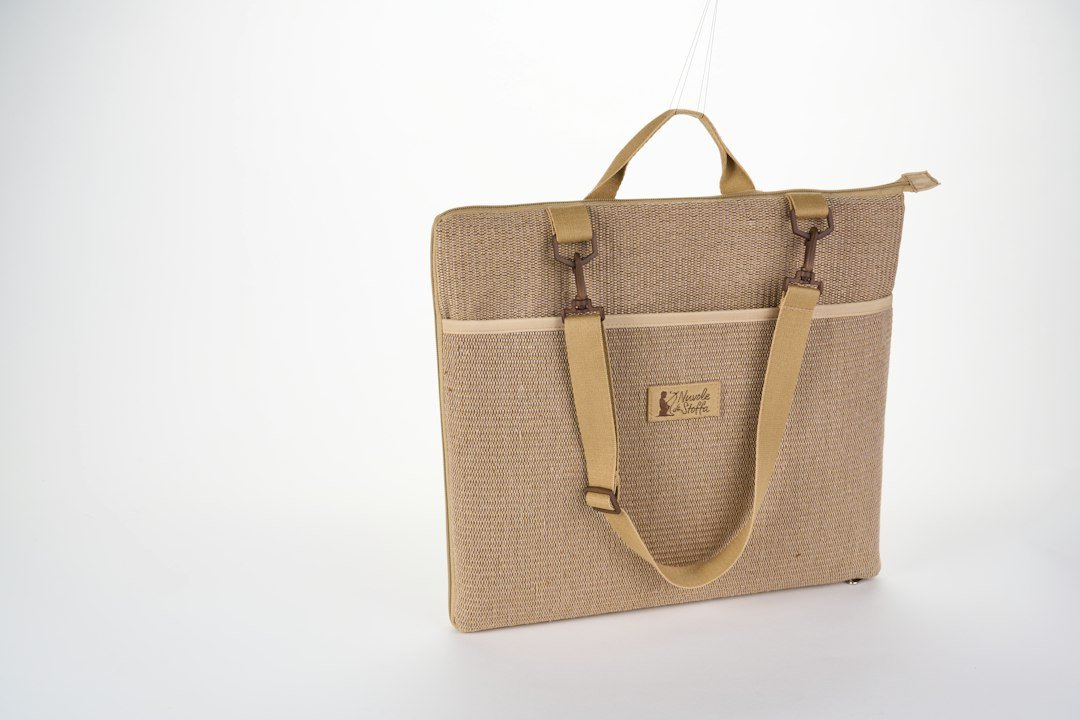
When you combine comfort with reliable plant materials, carrying your essentials stops feeling like a chore. You can easily pair your daily carry routines with a jute tote bag designed to handle heavy errands without tearing. If you are also packing lunch on the go, slipping in some reusable bamboo cutlery ensures you are completely free from single-use plastics from breakfast to dinner.
To explore how these organic materials fit into holistic lifestyle planning, take a look at curating your zero-waste lifestyle: purposeful living with Aegle Sriphal.
The Aegle Sriphal Initiative: Transforming Regional Sustainability
Sustainable living cannot be an exclusive luxury; it must be practical, regional, and accessible to daily consumers. That philosophy drives Aegle Sriphal. Operating across India and South Asia, the initiative focuses directly on crafting items from renewable natural treasures: specifically fast-growing bamboo and hardy golden jute.
Mainstream consumer goods are often manufactured thousands of miles away with synthetic resins and toxic glues. Aegle Sriphal addresses regional waste management challenges directly by championing natural fibres that honour local agricultural traditions. When you review their comprehensive product catalogue, you find items intentionally built for longevity: from durable kitchenware to clever plantable stationery that blooms into herbs once worn down.
While traditional manufacturers view shopping totes simply as quick packaging, Aegle Sriphal treats them as everyday statements of conscious living. By sourcing renewable regional plant fibres and applying meticulous stitching standards, they show how mindful design elevates humble natural fibres into stylish carryalls.
Midway through your journey towards plastic-free living, you realise that small, consistent swaps make the biggest difference. If you are searching for high-capacity, durable options for market visits, eco friendly printed jute bags with padded handles 2 provide the structural support you need to abandon single-use plastic bags once and for all.
To see how everyday material changes build cleaner domestic habits, explore our guide on ditching single-use waste: Aegle Sriphal’s proven essentials for a greener home.
Beyond the Bag: Building a Comprehensive Plastic-Free Daily Kit
A durable tote bag is just the starting point of an eco-conscious routine. When you step out for a work commute, university lecture, or weekend picnic, single-use hazards lurk everywhere: disposable coffee cups, plastic pens, flimsy takeaway cutlery, and petroleum-based hygiene tools.
You can streamline your entire travel routine with matching natural materials that tuck neatly into your jute carryall:
- Hydration without chemicals: Ditch disposable bottled water by keeping a dedicated bamboo water bottle in your bag pocket. It keeps drinks insulated while keeping hot liquids away from microplastics.
- Fitness and nutrition: If you head straight from the office to a workout, pack a bamboo gym shaker rather than relying on smelly plastic shakers that degrade after repeated washes.
- Desk and office tools: Swap standard plastic ballpoints for plantable pencils and pair them with a durable cork notebook. Once the pencil becomes too short to hold, you can plant the seed-embedded stub in potting soil to grow fresh fenugreek or herbs.
- Personal grooming on the move: Keep your routine tidy with a dedicated bamboo travel kit, or carry natural bamboo makeup brushes that avoid synthetic handles entirely.
Each of these items reflects an intentional mindset. Instead of reacting to whatever disposable plastic items are handed to you during the day, you carry your own durable, natural alternatives. For additional ideas on practical gift sets and desk alternatives, read our breakdown of jute bags, cork notebooks and plantable pencils: practical gift ideas in India.
Comparing Natural Carryalls: Jute vs Generic Promotional Bags
When choosing reusable bags for everyday use, brand merchandise, or retail packaging, evaluating materials side-by-side helps identify real long-term value:
| Performance Factor | Standard Non-Woven Polypropylene | Basic Cotton Calico Bag | Printed Jute with Padded Handles |
|---|---|---|---|
| Material Origin | Spun plastic polymer (petroleum) | Agricultural crop (water-intensive) | 100% natural plant bast fibre (rain-fed) |
| Handle Comfort | Thin plastic strip; cuts into hands | Flat cotton tape; folds and twists | Thick cushioned core wrapped in cotton |
| Weight Capacity | 3 to 6 kg before seams split | 5 to 8 kg; stretches over time | 12 to 20 kg without structural strain |
| Structural Shape | Collapses flat; items fall over | Floppy fabric; tricky to load | Rigid standing base; easy to pack |
| End-of-Life Profile | Breaks into persistent microplastics | Biodegradable (if dye-free) | Completely biodegradable natural fibre |
| Visual Texture | Cheap synthetic sheen | Casual off-white linen look | Rich, golden earthy weave with bespoke print |
Notice how raw functional strength and carrying comfort intersect. A bag that stays upright while you load groceries on a kitchen counter saves effort every single day. The structured sides of dense jute weaves mean you are not fighting loose, drooping canvas while packing jars, bottles, or parcels.
Caring for Your Plant-Fibre Bags: Tips for Maximum Longevity
To get years of dependable service out of natural jute, a little basic maintenance goes a long way:
- Spot cleaning is best: Do not submerge your bag in a washing machine. Jute is a bast fibre that softens and swells when soaked in water. Instead, use a damp cloth with mild castile soap to wipe down scuffs or spills.
- Air dry naturally: If your bag gets wet from rain or a chilled bottle, let it dry flat in a well-ventilated, shaded area. Keep it out of direct, blazing midday sun to prevent natural plant fibres from becoming brittle.
- Brush away dry dirt: A soft-bristle brush easily sweeps dry mud, sand, or crumbs from the woven crevices without damaging the screen-printed artwork.
- Keep away from damp storage: Never tuck a damp tote away into a dark wardrobe. Keep it hung up by its padded handles so fresh air circulates freely around the base.
Step Forward with Purpose: Make Natural Materials Your Standard
Ditching single-use plastics does not require radical lifestyle disruption. It starts with replacing the everyday tools you reach for without thinking: your morning water bottle, your lunch utensils, your desk stationery, and the bag resting on your shoulder. When those everyday essentials are constructed from genuine bamboo, cork, and golden jute, sustainability stops being an abstract chore; it simply becomes how you live.
By choosing durable, earth-grown items, you support local agricultural ecosystems, eliminate microplastic generation, and lead by example in your community. Whether you are running weekend errands, heading to work, or organizing gifts for friends and colleagues, you deserve carry options that match your environmental values without causing sore hands or blown seams.
Ready to refresh your routine with natural, resilient plant-based gear? Take the next step toward intentional living and explore the complete range of sustainably designed lifestyle essentials at Eco-Transformation: Aegle Sriphal’s Sustainable Product Initiative today.