Why Global Plastic Pollution Policy Matters in Your Kitchen
Have you ever stopped to think about what is actually inside your daily glass of tap water? While regulatory agencies across the globe debate the future of plastic pollution policy, millions of invisible microplastic fragments continue to slip straight through domestic pipes and water filters. Recent landmark shifts, such as environmental authorities finally proposing formal monitoring of microplastics on drinking water contaminant priority lists, confirm what independent scientists have warned about for years. Tiny synthetic particles, measuring under five millimetres down to invisible nanoplastics smaller than a single micrometre, are no longer just floating in oceanic gyres; they have entered our food systems, domestic plumbing, and human tissues.
Navigating the delays of institutional bureaucracy takes time, yet families need immediate, realistic protection inside their own living spaces. While international watchdogs and regional governments draft long-term statutory frameworks, you can take personal command of your immediate domestic ecosystem. Exploring proactive community initiatives like the Eco-Transformation: Aegle Sriphal’s Sustainable Product Initiative reveals how replacing petrochemical kitchenware with renewable alternatives radically curbs daily chemical ingestion. Transforming everyday consumption habits bridges the gap between slow legislative updates and your household’s immediate wellness, proving that true conservation always starts at the kitchen sink.
The Reality of Microplastics: What Regulatory Bodies Are Finally Admitting
For decades, standard municipal testing treated plastic runoff as an aesthetic litter nuisance rather than an internal human health hazard. That official stance is beginning to unravel. Leading international environmental groups and policy advocates, including watchdogs such as Beyond Plastics, have successfully pushed statutory bodies like the US Environmental Protection Agency to evaluate microplastics as hazardous drinking water contaminants. Similar debates are occurring in legislative halls across the globe, driving urgent calls for a cohesive plastic pollution policy that holds mass manufacturers accountable for lifecycle emissions.
Why the sudden institutional panic? Because recent clinical research paints a sobering picture:
- Internal Penetration: Microplastics have been identified inside human blood samples, deep lung tissue, the heart, and liver tissues.
- Cellular Translocation: Nanoplastics are small enough to breach cellular walls, passing through the placenta and crossing the blood-brain barrier.
- Chemical Adsorption: These synthetic particles do not travel alone; they act as sponges for persistent industrial chemicals, heavy metals, and endocrine-disrupting additives like phthalates and bisphenols.
While national monitoring directives slowly crawl through multi-year public consultation periods, plastic particles steadily degrade inside municipal infrastructure. Every hot wash cycle, synthetic tea bag, and heated takeaway container adds to this invisible domestic burden.
Where Legislative Policy Lags, Conscious Living Steps In
Statutory interventions like single-use bans and drinking water monitoring thresholds are crucial, but they take years to enact. If history teaches us anything, waiting on top-down environmental mandates leaves families exposed during the interim. When municipal treatment plants were originally designed, nobody factored in microscopic fragments shedding from disposable synthetic packaging, degraded poly-lined cartons, and cheap synthetic drinkware.
You do not need to wait for local authorities to modernise regional filtration infrastructure to safeguard your household. Choosing mindful daily materials cuts off the issue at the source. Swapping synthetic items for plant-based solutions naturally complements our wider blueprint for a healthier, greener home. When you stop bringing throwaway polymers into your living space, you immediately lower the volume of shedding plastics contaminating your dishes, countertops, and personal hydration supplies.
Practical Steps to Shield Your Home from Microplastic Infiltration
Taking control of your domestic environment does not require an overwhelming overhaul overnight. It comes down to identifying high-friction, heat-prone zones where synthetic polymers break down fastest: your food preparation areas and personal hydration routines.
Ditch Plastic Bottles and Gym Shakers
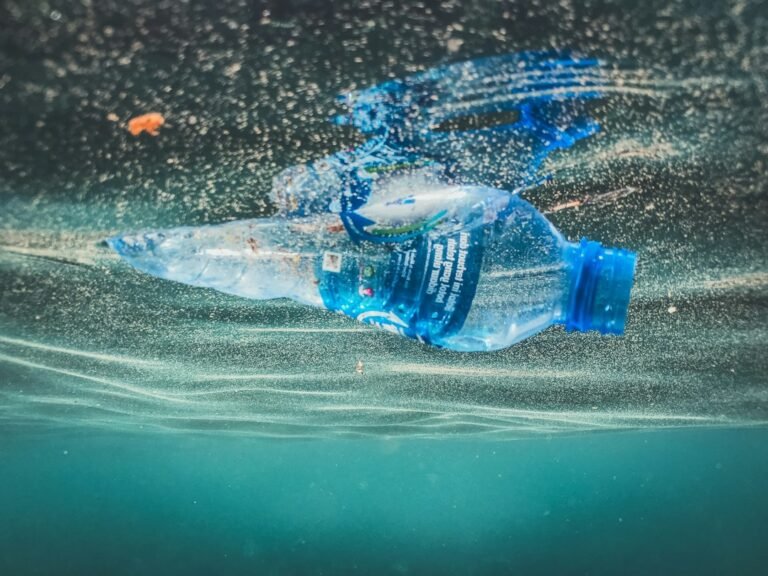
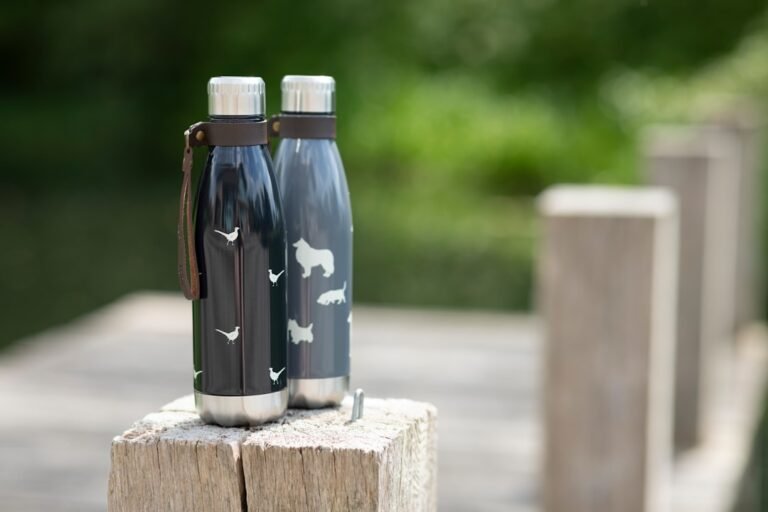
Reusable plastic sports bottles and standard takeaway containers shed high quantities of microplastics, especially when exposed to warm tap water, sunlight, or physical agitation. Choosing non-reactive materials like stainless steel paired with renewable organic casing completely removes this risk.
For your daily workout routine, trade brittle synthetic shakers for a functional, non-toxic alternative; you can Find Your Reusable Gym Tumbler to keep your beverages pure without synthetic leaching. Likewise, carrying a dependable double-walled, plant-sheathed vessel makes it simple to stay hydrated outdoors without purchasing bottled water; take a moment to Explore the Bamboo Water Bottle for a clean, natural sip every time. You can learn more about verifying non-reactive materials by reading this breakdown on safe, plastic-free kitchenware.
Upgrade Your On-the-Go Meal Routines
Eating out often forces us to rely on flimsy, single-use polystyrene and polyethene cutlery. These utensils release particles directly into hot food during mechanical friction. You can easily keep a compact set of non-toxic utensils in your work bag or rucksack. To stop relying on single-use forks at lunch, simply Explore Reusable Bamboo Cutlery designed for daily dining and outdoor use.
For frequent commuters and travellers, assembling a complete plastic-free dining kit eliminates reliance on disposable airport and station wares. You can See What’s in the Bamboo Travel Kit to keep all your reusable essentials neatly organised in a sustainable natural box.
Bridging Advocacy and Practical Solutions: The Aegle Sriphal Mission
While global watchdogs fight for rigorous plastic pollution policy within international conventions, regional environmental advocates like Aegle Sriphal focus on immediate grassroots solutions across India and South Asia. Addressing the systemic plastic crisis requires accessible, real-world alternatives that fit smoothly into busy modern routines.
Aegle Sriphal crafts everyday essentials built exclusively around 100% natural, biodegradable raw materials like bamboo, jute, and cork. By steering clear of petroleum derivatives, the brand offers functional home goods that eliminate synthetic shedding at the source. This mission extends into purposeful education, demonstrating how our collective purchasing decisions influence macro-level environmental health. If you are eager to reduce single-use reliance across your home, take time to explore the full range of sustainable product solutions and see how straightforward natural living can be.
Beyond personal homeware, genuine ecological transformation happens through community education and broader lifestyle changes. Aegle Sriphal frequently coordinates with regional schools, corporate offices, and local institutions to raise hands-on awareness about sustainable material choices. For instance, replacing commercial plastic pens with clever seed-embedded stationery helps youngsters learn about circular lifecycles; you can Discover the Fenugreek Plantable Pencil to introduce zero-waste ideas into classrooms or office spaces.
Expanding Your Sustainable Routine Across Everyday Life
The journey away from disposable polymers quickly ripples outward from the kitchen into every corner of the house. From your morning hygiene to weekend grocery shopping, natural materials offer sturdy, elegant replacements for conventional plastics.
Natural Grooming and Mindful Workspaces
Bathroom counters and cosmetics pouches are often filled with synthetic handles and microfibre applicators that shed fibres down household drains during cleaning. Switching to sustainable plant fibres keeps both your skincare and greywater clean. Take a minute to View the Bamboo-Handle Makeup Brushes to discover how natural plant handles combine durability with soft, conscious performance.
In the home office, conventional notebooks with plasticised, glossy covers can be easily replaced with renewable bark alternatives. Consider choosing a tactile, plant-derived option: View the Cork Cover A5 Notebook to journal, plan, and sketch without contributing to non-recyclable laminate waste. These swaps reflect a broader commitment to choosing natural materials for better health across every facet of your life.
Sustainable Errands and Mindful Carrying
Every week, millions of flimsy plastic carrier bags enter our domestic waste streams, taking centuries to break down while releasing toxic leachates into municipal soils. Durable vegetable fibres offer a far more dependable alternative. To keep single-use sacks out of your home entirely, you can Choose a Jute Bag for Everyday Errands; it provides generous strength for market runs while remaining fully compostable at the end of its useful lifespan.
Moving Beyond Synthetic Reliance: Why Personal Choices Drive Structural Change
It is easy to feel powerless when reading about regulatory delays and corporate environmental failures. Yet, market trends demonstrate that consumer demand plays a pivotal role in forcing manufacturers to change. When thousands of households actively reject single-use plastic packaging and embrace natural alternatives, the commercial necessity for progressive plastic pollution policy becomes undeniable.
Every time you choose a bamboo flask over a synthetic bottle, carry reusable cutlery to your desk, or pack groceries into a woven jute tote, you vote for a non-toxic economic future. By taking immediate precautions against microplastic ingestion at home, you protect your family today while demonstrating that a cleaner, plastic-free world is entirely achievable. Start reshaping your daily habits right now by discovering how easy it is to lead your personal eco-transformation with natural lifestyle essentials, safeguarding both your domestic environment and the wider planet.