The Hidden Perils of Everyday Dining: Why Your Kitchen Needs a Fresh Start
Take a quick look around your kitchen cupboards. What do you see? If you are like most households, you will spot an assortment of plastic food containers, worn takeout boxes, stained spatulas, and flimsy cutlery sets. We have all been told for years that plastic is convenient, lightweight, and modern. Yet, every single time you pour hot food into a synthetic bowl or reheat leftovers, microscopic particles and chemical plasticisers can leach directly into your meal. Transforming your kitchen into a sanctuary of clean living starts with choosing Sustainable lifestyle essentials from Aegle Sriphal that prioritise bodily health alongside planetary wellness.
Making a mindful swap towards renewable materials is not merely an aesthetic choice; it is a fundamental shift in how we nurture ourselves. By replacing brittle petrochemicals with rapid-growth bamboo, natural plant fibres, and durable stainless steel, you instantly eliminate chemical leaching while slashing household waste. In this comprehensive guide, we will unpack why modern foodware materials matter, compare emerging designs against truly natural options, and show you how easy it is to assemble non-toxic tableware for everyday dining, work lunches, and travel.
What Lurks in Modern Lunchware? Beyond the BPA-Free Myth
For over a decade, marketing campaigns have comforted consumers with the “BPA-Free” sticker. But when manufacturers remove Bisphenol A, they frequently substitute it with Bisphenol S (BPS) or Bisphenol F (BPF). Research reveals these analogues carry similar endocrine-disrupting properties. Microplastics present an even quieter hazard. Regular washing, abrasive scrubbing, and heating cause synthetic surfaces to degrade, shedding thousands of micro-particles straight into your food.
Plastic also harbours stubborn food odours, stains easily from oil-based sauces, and deteriorates into micro-fissures where bacteria thrive. When you swap synthetic tableware for durable natural options, you protect your body from unseen chemical interactions while enjoying dining surfaces that feel substantial, clean, and organic.
Comparing Alternatives: Engineered Portability vs True Natural Materials
As eco-conscious dining gains traction across urban hubs, various brands attempt to solve lunchware portability. Consider brands like kūpaa, which developed popular collapsible carry-strap bowls and silicone duets. Their products undeniably offer convenience, sleek looks, and space savings for commuters hopping between office desks and cafes. If your only goal is saving space in a work tote, collapsible silicone lunch boxes present an appealing step away from disposable plastic takeaway tubs.
However, engineered silicone and polymer containers come with inherent trade-offs:
- Material Purity: Many collapsible containers rely on chemical curing agents, plastic rim supports, and synthetic lids to maintain their shape under weight.
- Flavour Retention: Soft silicone easily absorbs sharp pungent spices, lingering curry aromatics, and dishwashing soap scents that resist thorough rinsing.
- End-of-Life Reality: Silicone requires specialised industrial facilities to recycle, and very few municipal councils or regional programmes accept it, meaning spent items still linger in landfills.
This is precisely where Aegle Sriphal approaches the challenge from an entirely different philosophy. Rather than engineering synthetic polymers to behave like flexible kitchenware, Aegle Sriphal crafts authentic kitchen tools directly from nature’s strongest regenerative raw materials: solid bamboo and resilient plant fibres. Bamboo is naturally antimicrobial, sturdy, lightweight, and completely compostable at its end of life. When you pick up a handcrafted bamboo utensil or insulated flask, you are engaging with a 100% natural material that requires no synthetic coatings to excel at daily food duty.
Before committing to daily lunchware, it pays to understand how natural plant items stack up against synthetic options. You can explore our deep dive into how bamboo upgrades your daily eco-friendly routine to understand why natural fibre density matters for kitchen safety.
The Essential Non-Toxic Kitchen Swaps
Revamping your kitchenware does not mean binning everything overnight. The most sustainable approach involves replacing high-risk kitchen touchpoints one category at a time as older plastics wear down.
1. Ditch Synthetic Cutlery for Handcrafted Bamboo
Plastic spoons and forks snap under pressure and release micro-fragments when scraping against hard surfaces. Metal cutlery, while durable, can feel heavy, rattle noisily in a desk drawer, or scratch non-stick surfaces. Hand-finished bamboo cutlery strikes the perfect balance. It is feather-light, completely splinter-free, and delightfully tactile.
When you sit down to lunch at the office or on a park bench, using reusable bamboo cutlery from the Aegle Sriphal collection turns an ordinary desk meal into an elegant, zero-waste experience. To make the most of your dining implements, be sure to read our dedicated breakdown on bamboo cutlery for office lunches and picnics.
2. Upgrade Your Hydration: Insulated Bamboo Flasks
Most commuter drink bottles rely on bare plastic linings that give water a metallic or chemical aftertaste whenever the container sits in a warm bag. Even standard stainless steel tumblers can feel cold, utilitarian, and sweaty. A natural bamboo insulated bottle provides a double-walled food-grade interior shielded by an organic, insulating bamboo exterior shell that feels warm and grounding in your hand.
Whether you need piping hot morning tea on your commute or refreshing iced infusion during afternoon meetings, switching to an authentic bamboo water bottle from Aegle Sriphal guarantees that no toxic chemicals come into contact with your beverage throughout the day.

3. Smarter Shakers for the Active Lifestyle
If you visit the gym, your daily protein shaker is likely made of opaque polypropylene plastic. After a few weeks of use, lingering protein residue settles into the plastic pores, leaving behind that notorious, sour gym-bag odour that no amount of washing can completely erase.
A natural exterior tumbler fitted with a non-reactive interior solves this issue instantly. If you need a reliable shaker that smells fresh wash after wash, you should view the bamboo thermo gym shaker range to keep your workout smoothies perfectly chilled without relying on synthetic plastic cups.
Taking Low-Waste Habits Beyond the Kitchen Walls
Sustainable living feels most rewarding when your eco-friendly habits travel seamlessly with you. Creating a conscious routine at home naturally sparks a desire to eliminate waste while travelling, running daily errands, or working at the office. Integrating thoughtfully designed plant-based accessories keeps your mindful momentum going without feeling like a chore.
When planning day trips or daily journeys, packing a compact kit prevents the awkward compromise of accepting single-use spoons or plastic straws at food stalls. A dedicated travel set houses everything you need in one sleek, organised roll. You can readily see what is in the bamboo travel kit to carry clean, natural dining essentials wherever your schedule takes you. If you are preparing for long journeys, take a moment to review our comprehensive guide on how to clean and store bamboo travel essentials so your kit remains pristine for years.
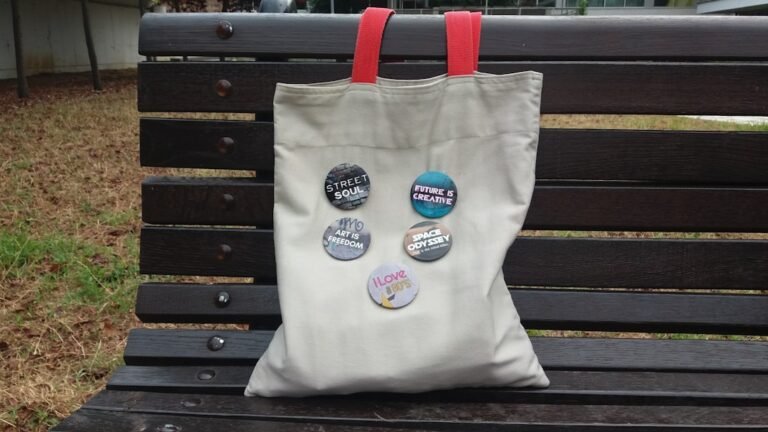
To carry your daily gear, swap petrochemical nylon backpacks or thin synthetic totes for pure woven jute. Jute grows vigorously without chemical fertilisers, producing tough fibres that can bear heavy loads easily. Selecting a durable reusable jute tote handbag provides plenty of room for your bamboo lunchware, fresh groceries, and everyday carry items.
Even your desk work can reflect your conscious living values. Instead of accumulating cheap plastic promotional pens and synthetic synthetic-leather binders, switch to tactile natural materials. Jotting thoughts in an elegant cork cover journal notebook alongside innovative fenugreek seed plantable pencils connects your everyday paperwork back to the soil.
Proper Care: Making Your Natural Kitchenware Last for Years
Natural materials like bamboo reward simple, gentle care with remarkable longevity. Unlike cheap plastics that degrade and peel, seasoned bamboo develops a lovely, deep patina over time. Follow these straightforward maintenance practices to protect your collection:
- Wash by Hand: Avoid harsh dishwasher cycles. The intense steam and aggressive detergents of automated machines can strip natural plant oils. A quick scrub with warm water, mild soap, and a soft cloth is all bamboo needs.
- Dry Promptly: Never leave bamboo soaking in a sink full of water. Wipe items dry immediately with a clean kitchen towel and allow them to air-dry in a well-ventilated spot.
- Hydrate the Grain: Every few months, rub a few drops of food-grade mineral oil, coconut oil, or natural beeswax into the wood grain. This conditions the surface, prevents drying, and keeps the moisture barrier intact.
- Avoid the Microwave: Pure bamboo contains microscopic moisture pockets that can crack or warp under extreme microwave radiation. Reheat your meal in glass or ceramic, then serve on your bamboo tableware.
Mindful Consumerism: Why Local Sustainability Matters
The true beauty of shifting to organic homeware lies in the broader ecological ripple effect. The global market for eco-friendly lifestyle solutions is expanding rapidly as families recognise the real impacts of single-use waste. In India and across South Asia, traditional wisdom has celebrated materials like bamboo, jute, terracotta, and sal leaves for centuries. Embracing these materials modernises cultural heritage while keeping tonnes of microplastics out of community waterways and domestic landfill sites.
Aegle Sriphal focuses specifically on regional environmental challenges across South Asia, designing functional, beautifully crafted solutions that make conscious living practical and accessible. When you choose items crafted from rapidly renewable raw resources, you actively support circular production models, lower your family’s toxic burden, and encourage sustainable agriculture.
Ready to purge unnecessary plastics and create a dining space that celebrates health, craftsmanship, and pure natural beauty? Explore the complete collection of Sustainable lifestyle essentials from Aegle Sriphal and take your first step towards a clean, safe, and truly sustainable kitchen today.