Why Modern Living Demands Sustainable Lifestyle Essentials
Look around your living room or kitchen right now. How much single-use plastic can you spot within arm’s reach? From flimsy takeaway forks to synthetic cleaning sponges, throwaway materials quietly dominate our modern routines. Living consciously does not mean throwing away everything you own overnight to buy an aesthetic matching pantry set. Instead, it starts with intentional, durable decisions that cut waste at the source. Focusing on genuine sustainable lifestyle essentials helps you build daily habits that protect local ecosystems while keeping your personal space clean, functional, and grounded in nature.
Making a mindful change begins with understanding how simple natural materials can seamlessly replace petroleum-based items. By choosing renewable solutions like bamboo homeware and robust jute carryalls, we step away from toxic consumer cycles without sacrificing convenience. You can discover how regional natural materials redefine daily routines through the Eco-Transformation: Aegle Sriphal’s Sustainable Product Initiative, which showcases how functional design and environmental education work hand in hand. Ditching plastic waste is no longer an all-or-nothing sacrifice: it is a practical journey of everyday swaps.
The Problem with Fear-Based Green Marketing
Have you noticed how much eco-advertising relies on panic? Many brands try to terrify you into buying their products, claiming that every standard item in your cupboard is poisoning your family. They slap vague buzzwords like “pure” or “chemical-free” across glossy packaging, charging massive markups while shifting all guilt onto individual shoppers.
We reject fear-based shortcuts. Guilt does not build long-term sustainability; positive daily action does.
Real environmental progress happens when eco-friendly alternatives are simply better, more durable, and naturally circular. Consider regional, fast-growing resources like bamboo and jute across India and South Asia. These crops regenerate quickly without intense chemical pesticides, support regional agricultural communities, and naturally break down at the end of their functional lifecycles. When you buy well-designed products made from renewable resources, you are not buying out of dread, you are investing in quiet, lasting craftsmanship.
Essential Morning Swaps: Rethinking the Personal Care Routine
The bathroom is often the biggest culprit for hidden plastic waste. Most people discard dozens of rigid plastic bottles and non-recyclable toothbrushes every single year. These items sit in open landfills or pollute waterways for centuries.
Here are practical, durable swaps to clean up your morning habits:
- Bamboo Toothbrushes: Standard plastic brushes combine hard handles with fused synthetic grips, making them virtually impossible to recycle. Fast-growing bamboo handles provide a sturdy, naturally antimicrobial grip that can be easily composted once the bristles are removed.
- Solid Cleansing Bars: Swap bottled shower gels and liquid hand soaps for naked, plant-oil cleansing bars. They eliminate unneeded plastic pump dispensers and use far less water during transport.
- Natural Fibre Washcloths: Replace synthetic bath poufs, which shed microplastics down the drain during every shower, with raw jute or unbleached cotton cloths that gently exfoliate without leaving synthetic residues behind.
Small morning adjustments build confidence. Once you realise how effortless it is to wash without leaving behind a trail of synthetic rubbish, expanding zero-waste habits into the rest of your home feels entirely natural.
The Kitchen and Pantry: Saying Goodbye to Synthetic Clutter
Kitchens generate a constant flow of packaging waste, yet they offer the most rewarding opportunities for mindful living. Transitioning to zero-waste food storage does not require expensive gadgets; it relies on time-tested materials that keep food fresh and counters tidy.
Smarter Food Storage Solutions
Plastic cling film is one of the least recyclable products ever invented. It tears easily, traps moisture unevenly, and ends up straight in the dustbin after an hour of use.
Instead, look to durable glass containers with bamboo lids or breathable cloth bowl covers. For pantry organisation, replace flimsy plastic storage canisters with lightweight, renewable bamboo homeware. Bamboo resists moisture, handles everyday kitchen wear effortlessly, and adds an earthy, calming aesthetic to open shelving.
Natural Cleaning Tools
Synthetic kitchen sponges are essentially tiny blocks of plastic foam. As you scrub greasy pans, microscopic plastic fragments break away and wash straight into the drainage network.
- Switch to raw jute scourers for washing pots and pans. Jute fibres are remarkably strong, naturally textured for removing stubborn food remnants, and completely biodegradable.
- Use wooden dish brushes with plant-based bristles for daily glass and plate washing.
- Dry your clean dishes with durable, unbleached cotton tea towels rather than tearing through rolls of single-use paper towels.
By making these quick swaps, you can check out everyday sustainable lifestyle essentials designed for conscious living and see firsthand how renewable materials outshine cheap, petrochemical goods in the kitchen.
Work and Study Spaces: Mindful Stationery That Gives Back
Our workspaces often overflow with cheap plastic pens, glossy synthetic sticky notes, and synthetic desk organisers that break after a few months of light use. Educational spaces and professional offices generate enormous amounts of preventable rubbish.
One brilliant way to bridge daily productivity with environmental education is through plantable stationery:
- Plantable Seed Pencils: Traditional wooden pencils often contribute to deforestation, while mechanical plastic pencils end up broken in desk drawers. Plantable pencils are crafted from recycled paper or sustainably sourced materials, housing viable herb or vegetable seeds inside a biodegradable tip. When the pencil becomes too short to hold, you simply push the end into a pot of soil, water it, and watch fresh basil, tomatoes, or wildflowers sprout.
- Recycled Paper Notebooks: Opt for unbleached, post-consumer paper bound with raw jute twines rather than plastic spiral coils.
- Bamboo Desk Organisers: Keep your rulers, pens, and paperclips arranged in carved bamboo trays that bring a clean, organic calm to your work environment.
Plantable products do more than reduce waste; they transform an everyday writing tool into a physical lesson in circular living. For schools, universities, and mission-driven organisations, adopting these creative items turns simple work routines into living environmental statements.
Out and About: Plastic-Free Habits on the Move
Most plastic enters our lives when we leave the house unprepared. A spontaneous cup of tea, an unexpected grocery run, or a quick midday snack can quickly leave you holding half a dozen single-use plastic wrappers and bags.
Keeping an everyday carry kit eliminates these accidental waste traps:
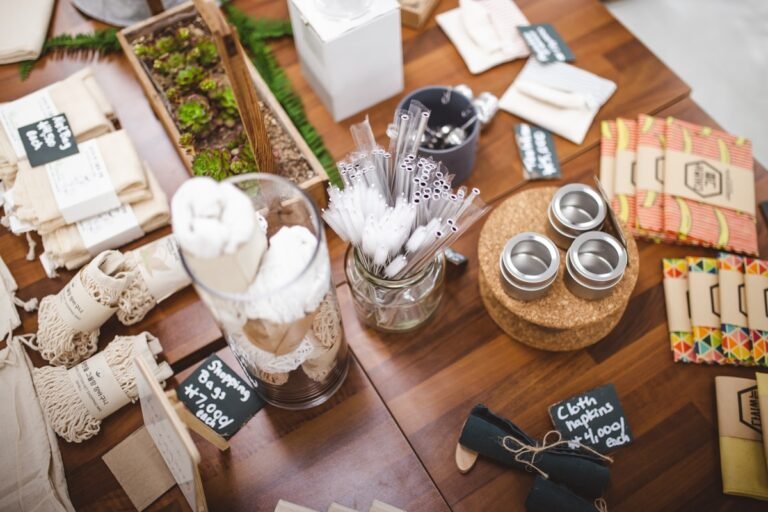
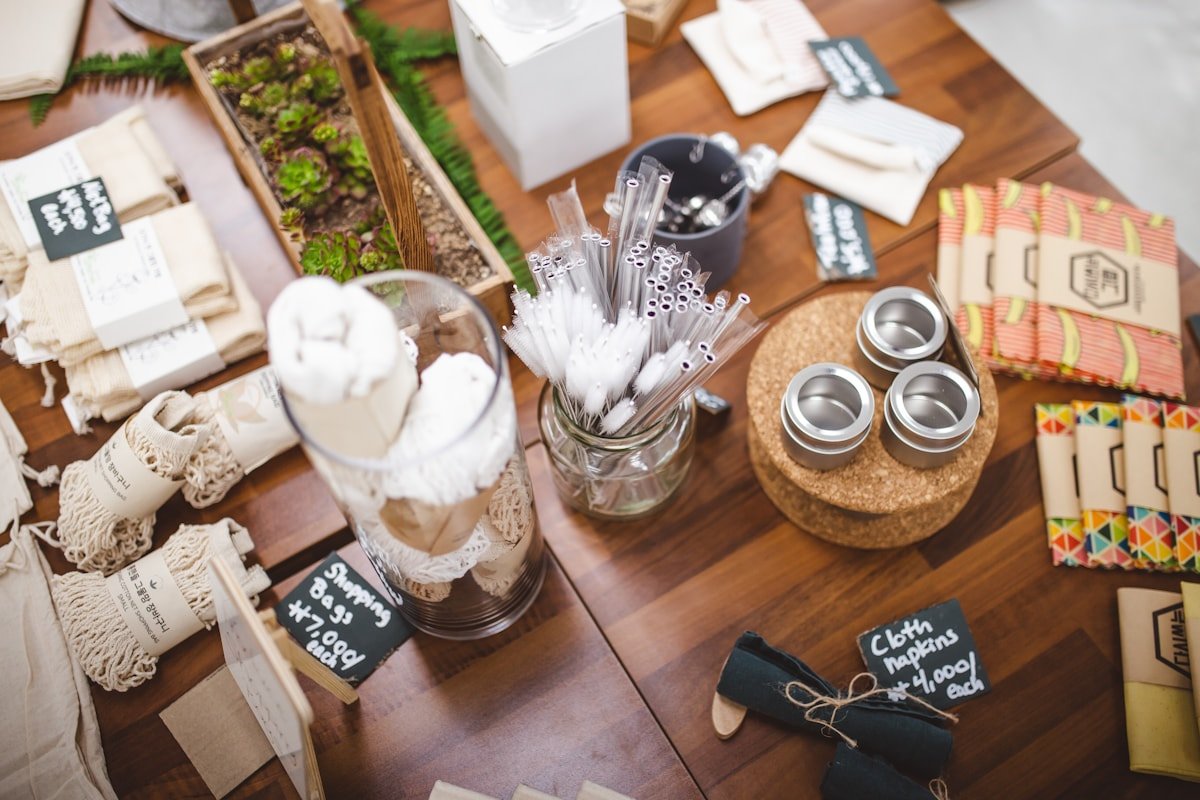
- Durable Jute Totes: Ditch the flimsy polythene grocery bags that tear under the weight of a few vegetables. Jute bags are exceptionally strong, carry heavy market purchases without strain, and fold down neatly into your daily bag.
- Reusable Bamboo Cutlery: Keep a small cloth pouch holding a bamboo spoon, fork, and reusable straw inside your rucksack or handbag. Bamboo is feather-light and naturally durable, sparing you from flimsy disposable cutlery when grabbing takeaway meals.
- Stainless Steel Water Vessels: Carry your own water filter bottle to avoid buying single-use bottled water, reducing plastic waste while keeping drinks cool throughout hot afternoons.
Taking personal responsibility on the move does not require lugging heavy luggage. A lightweight jute tote and a bamboo utensil pouch take up almost no space while protecting you from endless single-use waste.
Caring for Natural Materials: Ensuring Long-Term Durability
Natural materials require slightly different care than disposable synthetic plastics. Because bamboo and jute are organic fibres, treating them with a little basic consideration ensures they last for years.
To clean bamboo homeware and utensils, hand-wash them with mild soap and warm water, then dry them immediately with a towel. Never leave bamboo items submerged in standing water, and avoid putting them in harsh industrial dishwashers, as prolonged heat and moisture can cause natural fibres to split. A light rub with food-safe vegetable oil every few months keeps the wood supple and water-resistant.
For jute bags and accessories, spot cleaning with a damp cloth and mild soap is ideal. If your jute tote gets wet from groceries, hang it in an airy, shaded spot to dry completely. Natural fibres appreciate good airflow, which prevents dampness and preserves their structural strength for seasons to come.
Choosing Purpose Over Convenience
Transforming your daily habits into a sustainable lifestyle is not about reaching flawless perfection; it is about building consistency through thoughtful choices. Every time you refuse a disposable plastic wrapper, swap a synthetic brush for natural jute, or plant a finished pencil into garden soil, you support a cleaner, more resilient environment.
By focusing on durable, 100% natural materials and circular production methods, we step away from disposable convenience and rediscover the value of craftsmanship. Take your next practical step toward an eco-conscious home today with thoughtfully crafted sustainable lifestyle essentials at Aegle Sriphal, and create a mindful, plastic-free daily routine that stands the test of time.