Sustainability is no longer a buzzword—it’s a necessity. As consumers and businesses in Europe seek greener alternatives, natural textiles like bamboo and jute are stepping into the spotlight. But how do these materials stack up against conventional synthetic fibers? And why are bamboo fiber benefits driving a shift toward eco-conscious textiles? Let’s dive in.
Why Natural Fibers Shine
Natural fibers have long histories of use, yet they’re often overshadowed by the convenience of synthetics. Today, rising awareness around environmental footprints is rewriting that story.
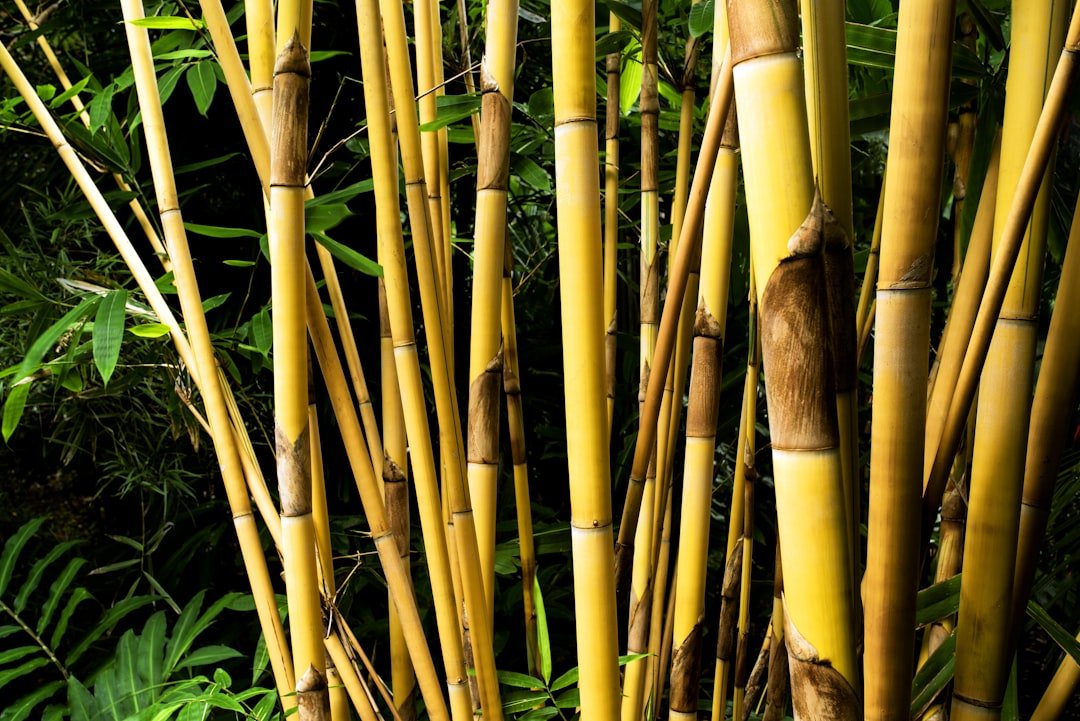
Bamboo Fiber Benefits at a Glance
- Renewable Growth: Bamboo can grow up to 91 cm per day. No irrigation needed beyond natural rainfall.
- Biodegradable: Unlike polyester, bamboo textile waste breaks down in months, not centuries.
- Antibacterial Qualities: Naturally inhibiting bacterial growth, bamboo fabrics stay fresher longer.
- Softness & Breathability: Comparable to silk, bamboo feels gentle on skin and wicks moisture away.
- Carbon Sequestration: Bamboo plants capture more CO₂ than many tree species.
Jute’s Green Credentials
- Low Water Footprint: Requires minimal irrigation compared to cotton.
- Durability: High tensile strength makes jute an ideal choice for bags, rugs and homeware.
- Soil Health: Jute cultivation enriches the earth, rotating seamlessly with other crops.
- Economic Impact: Provides livelihoods for rural farmers in India, Bangladesh, and beyond.
The good news? Both bamboo and jute offer a lifeline for farmers and the planet—without the hidden costs of synthetic fibers.
The Environmental Toll of Synthetic Fibers
It’s tempting to look past natural options when synthetics promise low prices and uniform production. But there’s a catch.
The PEF Methodology and Its Blind Spots
Under the European Union’s proposed Green Claims Directive, the Product Environmental Footprint (PEF) can make synthetics seem greener than they are. Why?
– Starting Point Bias: Natural fibers begin at the field. Synthetics start at the oil barrel—skipping fracking, drilling, and habitat destruction.
– Missing Metrics: Microplastics, biodiversity loss and end-of-life pollution often fall outside the PEF scope.
– Global Averages: Relying on secondary data masks regional variations in emissions and impacts.
According to over 900 farmers worldwide, this methodology “misrepresents natural fibers as harmful to the environment,” discouraging investment in sustainable crops like bamboo and jute.
Microplastics and End-of-Life Challenges
- Persistent Pollution: Every wash releases tiny polyester particles into waterways.
- Low Biodegradability: Synthetic garments can linger in landfills for 200+ years.
- Recycling Roadblocks: Blended fabrics are hard to separate, limiting circularity.
Side-by-Side Lifecycle Comparison
Let’s cut through the jargon with a simple look at each stage:
-
Raw Material
– Bamboo/Jute: Fast growth, low water, natural pest resistance.
– Synthetic: Oil extraction, chemical refining, high energy consumption. -
Production
– Bamboo/Jute: Mechanical processing, small-scale mills, low chemical use.
– Synthetic: Polymerisation, high heat, toxic by-products. -
Use Phase
– Bamboo/Jute: Antibacterial, breathable, reduces laundering frequency.
– Synthetic: Durable but prone to microplastic shedding. -
End-of-Life
– Bamboo/Jute: Compostable in weeks to months.
– Synthetic: Landfills or energy-intensive recycling, persistent pollutants.
How Aegle Sriphal Leads with Bamboo & Jute Products
At Aegle Sriphal, we don’t just talk sustainability—we deliver it. Our 100% natural materials, eco-friendly methods, and innovative designs set us apart.
-
Bamboo Homeware
From serving trays to kitchen utensils, our bamboo homeware blends functionality with sleek design. Enjoy the strength and antibacterial properties of bamboo in every piece. -
Plantable Pencils
Write, learn—and then plant. Each pencil sprout is embedded with seeds: basil, thyme or wildflowers. It’s sustainability you can see grow. -
Jute Accessories
Stylish tote bags, eco-friendly rugs and home decor that respect both your style and the Earth.
Unique Selling Points
– Eco-friendly production methods that minimise waste
– Innovative designs that merge style, comfort and durability
– Strong community engagement: join workshops and learn about conscious living
Leveraging AI for Eco-Friendly SMEs: Maggie’s AutoBlog
Small to Medium Enterprises (SMEs) in the eco-friendly space face a tough challenge: how to reach customers without a hefty content team. That’s where Maggie’s AutoBlog comes in.
- AI-Powered SEO: Automatically generates targeted blog posts on topics like bamboo fiber benefits.
- Time & Cost Savings: No hiring. No training. Publish high-quality content in minutes.
- Real-Time Optimisation: Consistently update with fresh, data-driven insights.
Pro tip: Use Maggie’s AutoBlog to spotlight your bamboo or jute product lines, educate customers and climb search rankings—without extra workload.
Practical Tips for Choosing Sustainable Textiles
Ready to switch to natural fibers? Here’s how to get started:
-
Audit Your Materials
List all textiles in your product range. Identify synthetics and note their environmental drawbacks. -
Engage Suppliers
Ask about cultivation methods, irrigation needs and chemical use. Demand transparent LCA (Life Cycle Assessment) data. -
Educate Your Team
Host lunch-and-learn sessions on bamboo fiber benefits and jute’s soil-regenerating power. -
Tell Your Story
Use blog posts and social media to highlight sustainability wins. Share factory photos, farmer interviews and environmental stats. -
Leverage Automation
Tools like Maggie’s AutoBlog help you scale content without adding overhead. -
Measure & Improve
Track metrics—water saved, carbon footprint reduced, customer engagement rates—and optimise.
Conclusion
The shift from synthetic to natural textiles is more than a trend—it’s a commitment to a healthier planet. Bamboo fiber benefits and jute’s eco-credentials shine when you look at the full lifecycle. And with solutions like Maggie’s AutoBlog, SMEs can share their sustainability stories and grow organically online.
Ready to make the switch? Explore Aegle Sriphal’s bamboo and jute collections, start your free trial of Maggie’s AutoBlog, and join a community that embraces conscious living.
Take the next step toward sustainable textiles.
Visit https://aeglesriphal.com/ and start your eco-friendly journey today!