SEO Meta Description
Discover the latest bamboo market trends for 2025: growth drivers, sustainability insights, and how Aegle Sriphal’s bamboo products can power eco-friendly growth.
Introduction
Everywhere you look, you’ll find bamboo. From sleek homeware to on-the-go essentials, bamboo market trends are soaring in 2025. Why? Because consumers, retailers and even schools are waking up to the power of this renewable resource. In this post, we’ll unpack:
- The key drivers behind bamboo’s rise.
- The most popular bamboo product categories.
- Innovative uses set to shape 2025.
- How Aegle Sriphal’s eco-friendly bamboo range stands out.
- Actionable tips for SMEs to ride this wave.
Ready? Let’s dive into the bamboo revolution.
1. Why Bamboo? The Growth Drivers
Rapid Renewability
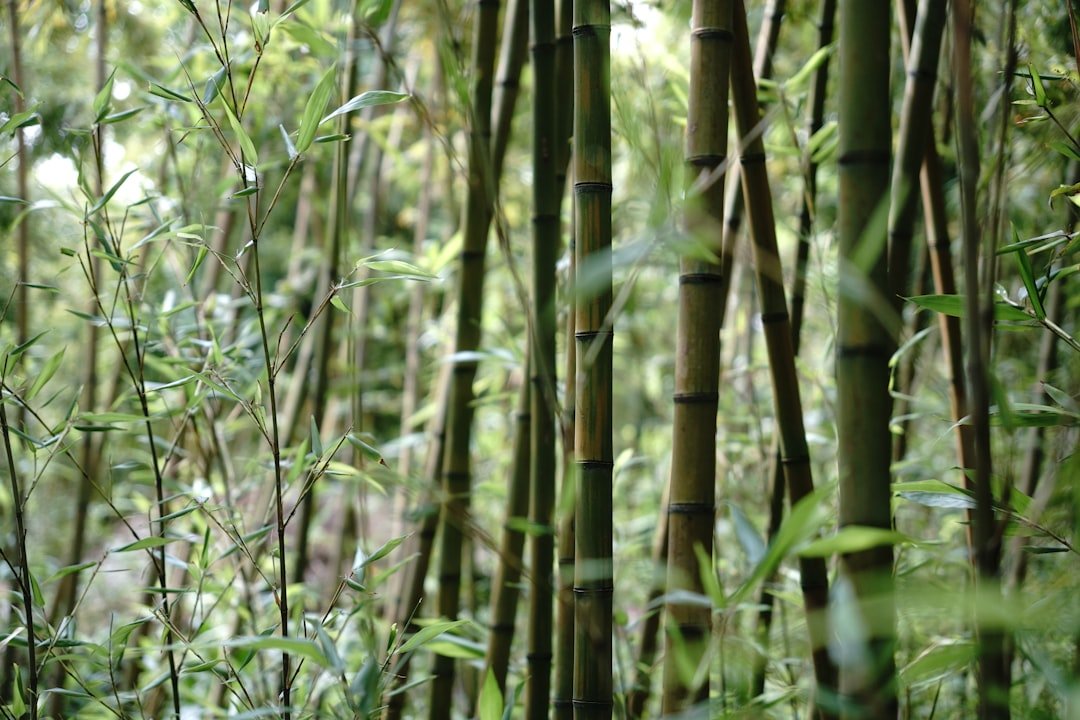
Bamboo can grow up to three feet in a single day. That’s not a typo. This rapid renewability means:
- Less land required than hardwood forests.
- No replanting needed once harvested.
- A high carbon-sequestration rate: bamboo absorbs more CO₂ and releases more oxygen than many tree species.
Low Environmental Impact
Unlike plastic or chemically treated wood, bamboo:
- Needs minimal water.
- Thrives pesticide-free.
- Prevents soil erosion with its dense root system.
- Naturally antimicrobial, reducing cleaning chemicals.
Consumer Consciousness
Today’s buyer cares. They want:
- Products made from natural materials.
- Transparent supply chains.
- A clear story: “This bamboo mug reduced my single-use plastic by 90%.”
In Europe and beyond, governments are tightening regulations on plastic waste. Conscious living is more than a trend; it’s a requirement.
2. Mapping the Bamboo Market Trends
Bamboo’s versatility spans multiple industries. Let’s look at the big categories:
A. Home & Living
- Kitchenware: chopping boards, utensils, knife blocks.
- Home décor: lamps, planters, furniture.
- Textiles: towels, bed sheets, rugs.
B. Personal Care & Beauty
- Toothbrushes, combs, and hairbrushes.
- Make-up applicators and cotton swabs.
- Skincare packaging (bamboo caps, cases).
C. Office & Stationery
- Plantable pencils with seeds in the end.
- Notebooks with bamboo paper.
- Desk organisers and pen holders.
D. Fashion & Accessories
- Sunglasses with bamboo frames.
- Watches, jewellery boxes, wallets.
- Bags woven from bamboo fibre.
Each segment has seen a compound annual growth rate of around 5–7%. The global green products market is on track to hit $300 billion by the end of 2025. Bamboo is a major driver.
3. Innovations to Watch in 2025
The bamboo market trends for 2025 aren’t just about everyday replacements. They’re about smart, innovative solutions:
-
Bamboo Water Bottles with Infusers
– Add fruit, tea or herbs.
– Natural antibacterial properties keep flavours fresh. -
Modular Bamboo Furniture
– Flat-pack pieces that you click together, no tools needed.
– Lightweight, yet sturdy. -
Bamboo-based Composites
– Mix bamboo fibre with bio-resins for durable, eco-friendly panels.
– Ideal for sustainable construction. -
Bamboo Textiles with Moisture Control
– Natural wicking properties.
– Temperature regulation in bedding and activewear. -
Plantable Bamboo Stationery
– Finish your pencil; plant the stub in soil.
– Grow herbs, wildflowers or vegetables.
These innovations speak to a simple truth: consumers want function and sustainability in one package.
4. The Sustainability Edge
What makes bamboo a true environmental champion?
- Biodegradability: At end-of-life, bamboo breaks down without toxic residues.
- Habitat Preservation: Bamboo plantations can restore degraded lands and support wildlife corridors.
- Carbon Offset: Each hectare of bamboo can sequester up to 62 tonnes of CO₂ annually.
The good news? Choosing bamboo reduces dependence on plastics, lowers greenhouse gas emissions, and fosters healthier ecosystems. The bamboo market trends point not only to profit but to planetary health.
5. How Aegle Sriphal Leads in Bamboo Products
At Aegle Sriphal, sustainability isn’t a buzzword—it’s our DNA. Here’s how we stand out:
-
100% Natural Materials
Every product is crafted from pure bamboo or jute—no hidden synthetics. -
Eco-friendly Production
Minimal water use. No harmful chemicals. Solar-powered workshops. -
Innovative Designs
We blend style with function:- Bamboo water bottles with carrying loops.
- Lamps that showcase bamboo’s grain.
-
Plantable Products
Our pencils come with embedded seeds. Use, then plant. Grow a memory. -
Community Engagement
We partner with schools and NGOs on sustainability workshops.
Our customers become brand ambassadors—sharing tips, hosting clean-ups and more.
When it comes to the bamboo market trends, Aegle Sriphal isn’t just following the wave. We’re helping shape it.
6. Practical Tips for SMEs to Capitalise on Bamboo Trends
You’re a small to medium enterprise. You need content that converts. Here’s how to leverage these bamboo market trends:
-
Highlight Sustainability Credentials
– Share production photos on social media.
– Use certifications (FSC, ISO14001). -
Educate Your Audience
– Blog about bamboo’s renewability and low impact.
– Offer downloadable guides: “5 Ways Bamboo Cuts Your Carbon Footprint”. -
Bundle Eco-Friendly Collections
– Create starter kits: home, office or travel.
– Include plantable pencils to add a “fun” factor. -
Partner with Eco-Influencers
– Micro-influencers in the green living space have loyal followings.
– Send free samples for honest reviews. -
Use Story-Driven Packaging
– Print the journey: “From bamboo grove to your kitchen.”
– QR codes linking to videos on sustainable farming. -
Offer Customisation
– Laser-engraved logos for corporate gifting.
– Personalised designs for weddings, events.
By weaving bamboo market trends into your marketing, you’ll connect with customers who value ethics as much as value for money.
7. Future Outlook
The bamboo market trends for 2025 are clear:
- Steady Growth: The global green products market will exceed $300 billion.
- Regulatory Support: Stricter plastic bans and incentives for renewables.
- Innovation Surge: Composites, smart textiles, modular designs.
- Consumer Demand: A deeper shift towards conscious living.
Bamboo isn’t simply a temporary solution—it’s a cornerstone of the sustainable economy. And brands that lean in now will reap both environmental and financial rewards.
Conclusion
Bamboo’s versatility, renewability and eco-credentials make it one of the most exciting resources in 2025. From kitchenware to textiles, from stationery to furniture, the bamboo market trends are pointing upwards—and so should your strategy.
At Aegle Sriphal, we’re proud to offer a curated range of bamboo homeware, plantable stationery and innovative designs that put planet and people first. Ready to make sustainability your competitive edge?
Join us. Support the bamboo revolution.
Call to Action
Discover Aegle Sriphal’s full range of eco-friendly bamboo and jute products.
Start your journey to conscious living today:
Visit Aegle Sriphal
Let’s grow a greener tomorrow—together.