A Fresh Start for Tableware Policies
Plastic pollution is no longer someone else’s problem. Every coffee cup, fork and straw tossed after a single use ends up in landfills, oceans or streets. Businesses face mounting regulations and consumer pressure to ditch cheap plastic. This guide unpacks the United Nations Environment Programme (UNEP) insights and offers down-to-earth policy steps so your company can switch to single-use plastic alternatives without a headache.
We’ll cover why reusable and natural materials beat disposable plastic in most impact categories, how to craft policies that work in your region, and real product ideas—like bamboo homeware and plantable pencils—that help you meet your sustainability goals. Ready to lead change? Explore Single-use plastic alternatives in Aegle Sriphal’s Eco-Transformation Initiative and see how easy it is to align with UNEP’s recommendations.
Why Businesses Must Act Now on Single-use Plastic Alternatives
Single-use plastic tableware may seem convenient but it comes with hidden costs. UNEP data tells us that 348 million tonnes of plastics were produced in 2017, with tableware among the top beach litter items. By 2040, plastic in the oceans could triple, posing risks to ecosystems, tourism and brand reputation. For businesses, this means:
- Tighter regulations and potential bans.
- Heightened consumer scrutiny and demand for greener options.
- Opportunity to stand out by adopting sustainable tableware.
Switching to single-use plastic alternatives isn’t just a feel-good move. It reduces your carbon footprint, cuts long-term waste management costs and positions you as an environmental leader. Plus, research shows reusable options consistently outperform disposable plates and cutlery in most environmental impact categories, with only water use being higher due to washing cycles.
Understanding the Policy Landscape
The UNEP Findings at a Glance
UNEP’s Life Cycle Assessments (LCA) compared:
- Single-use fossil plastic (PS, PP)
- Bio-based plastics (PLA, starch polymers)
- Paper (LDPE-lined and wax-lined)
- Wood-fibre and bagasse
- Reusable plastics, porcelain, melamine, stainless steel
Key take-outs:
- Reusable tableware wins on nearly every metric.
- Manufacturing phase drives most impacts in single-use items.
- Product weight and material choice matter more than transport.
- Proper end-of-life treatment—recycling, composting or incineration—reduces impacts versus landfill.
For businesses crafting policy, the message is clear: make reusable options the easiest choice for staff and customers, while phasing out single-use plastics that still slip through.
A Systemic Approach for Businesses
It’s not enough to swap a plastic fork for a bioplastic one. UNEP emphasises a systemic view—raw materials, production, distribution, use and disposal all matter. Policies must:
- Consider regional energy mixes and waste infrastructure.
- Balance trade-offs, for example water use in washing versus landfill pollution.
- Plan for future innovations in materials and processes.
- Ensure health and safety standards are met for reusable products.
A policy that simply bans single-use plastics without alternatives can backfire. Training, clear procurement guidelines and partnerships with washing services or deposit-return schemes will make your transition smoother.
Practical Steps to Adopt Sustainable Tableware
Here’s how your business can move beyond theory and into action:
Audit Current Usage
List all single-use items in your operations: cups, plates, cutlery, straws. Estimate volumes and costs.Set Clear Targets
Use SMART goals: e.g., “Cut single-use plastic cutlery by 80% in six months.”Evaluate Alternatives
Compare options by cost, availability, environmental impact and safety:
– Reusable plastics or stainless steel
– Porcelain or melamine in canteens
– Natural materials like bamboo and jute for packagingPartner with Suppliers
Source from credible vendors. Aegle Sriphal, for example, offers bamboo homeware that blends durability with compostability. Their plantable pencils even grow herbs when you’re done writing.Train Your Team
Hold briefings on new washing protocols, handling procedures and waste segregation.Monitor and Iterate
Track progress monthly. Shift strategies if an alternative underperforms or costs spike.
By following these steps, you’ll craft a robust policy that not only meets UNEP’s guidelines but also engages employees and boosts your green credentials.
Spotlight on Bamboo and Jute Products
Natural fibres are more than a trend. Bamboo grows quickly, needs little water and is naturally antibacterial. Jute is strong, renewable and perfect for accessories like cutlery pouches or serving trays. Benefits include:
- Lower lifecycle emissions versus plastic.
- Compostability at end of life.
- Aesthetic appeal for eco-conscious customers.
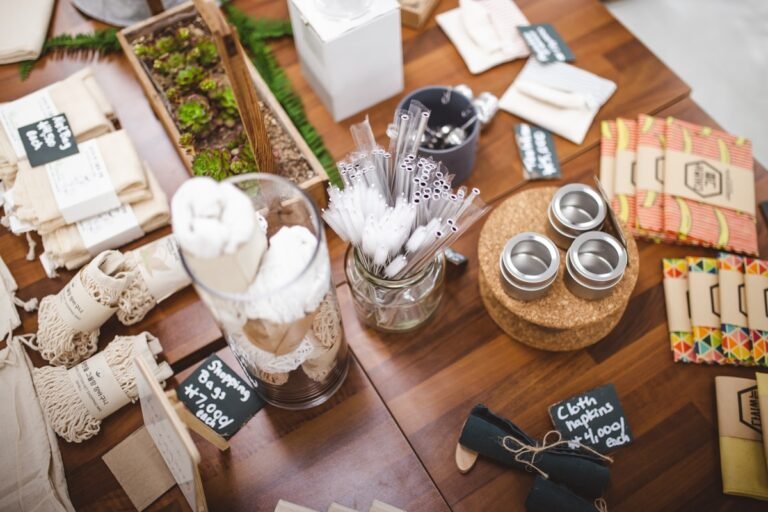
Aegle Sriphal’s bamboo homeware line includes plates, bowls and utensils that fit standard dishwashers. Their jute pouches can replace single-use plastic bags at events. Simple swaps like these align with UNEP’s call to base policy decisions on comprehensive LCA data.
In the middle of your rollout, consider a refreshed internal guideline and display posters to remind everyone why these swaps matter. Learn more about Single-use plastic alternatives through Aegle Sriphal’s Eco-Transformation project and get supplier details instantly.
Overcoming Implementation Challenges
Switching materials brings questions:
- Cost: Upfront expenses for reusable sets or natural products can be higher. Offset by calculating long-term waste disposal savings and potential tax credits.
- Hygiene: Washing reusable items uses water and energy. Invest in efficient dishwashers and eco-friendly detergents.
- Supply Chain: Ensure reliable sourcing. Partner with local manufacturers to reduce transportation emissions and foster regional economic growth.
By anticipating these hurdles and embedding solutions into your policy—like preferred supplier lists and maintenance schedules—you’ll avoid last-minute scrambles.
Measuring and Reporting Sustainability Gains
Numbers speak louder than promises. Use these metrics:
- Single-Use Reduction Rate: Percentage drop in plastic cups, cutlery and plates.
- Recycling / Composting Rate: Volume of waste diverted from landfill.
- Water and Energy Use: Monitor dishwashing cycles and compare to previous disposals.
- Cost Savings: Track waste disposal fees versus new supply costs.
Report progress quarterly. Share successes internally and on social media. Transparency builds trust with stakeholders and keeps teams motivated.
Real Voices: Aegle Sriphal Testimonials
Our café’s transition from plastic spoons to bamboo cutlery saved us 30% on waste fees. Staff love the look and feel, and customers ask about our sustainability story.
– Raj Patel, Café GreenLeaf, Mumbai
Swapping out plastic plates for jute-lined trays was a breeze. Our events now have a unique aesthetic, and the compostable jute cuts disposal headaches.
– Ananya Singh, Events Manager, Pune Community Hub
As a small catering business, we worried about cost. But after switching to bamboo homeware from Aegle Sriphal, we broke even in three months—and our brand image got a boost.
– Vikram Sharma, Founder, Feast & Flora, Delhi
Conclusion: Your Roadmap to Sustainable Tableware
Regulators are tightening the noose on single-use plastics. UNEP’s life cycle insights show reusable and natural materials win on most impact measures. By adopting a systemic policy—auditing usage, setting targets, sourcing bamboo homeware or jute solutions, training staff and measuring progress—you’ll stay ahead of regulations and delight eco-savvy customers.
Ready to lead your industry? Join the Eco-Transformation and embrace Single-use plastic alternatives with Aegle Sriphal today