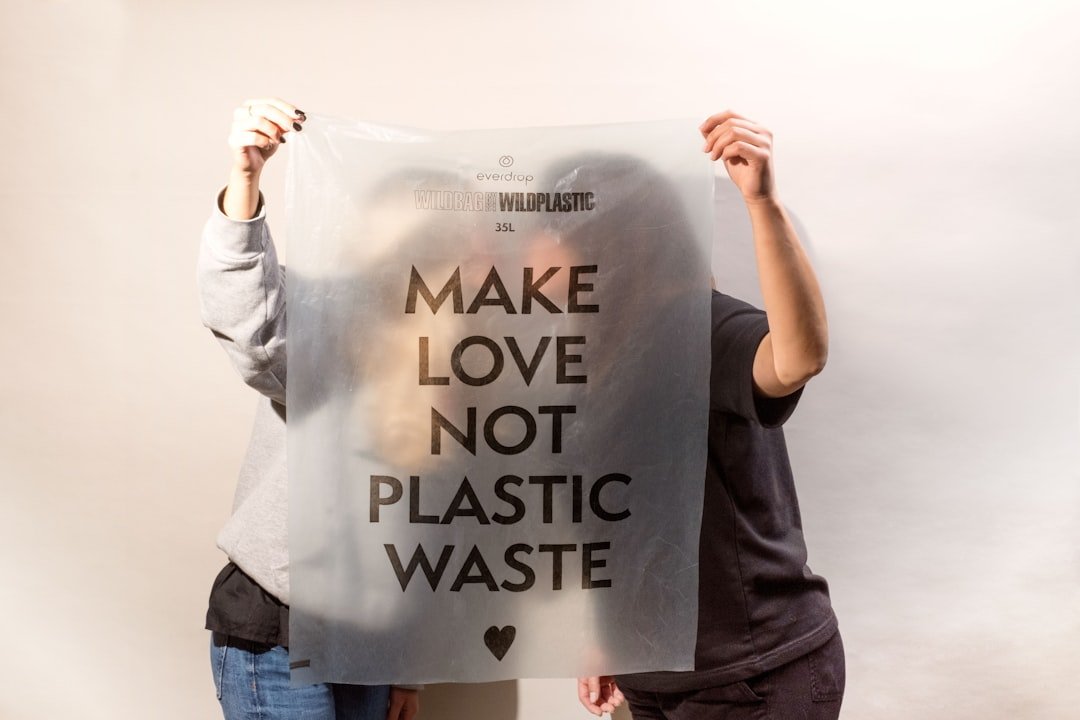
alt=”two people holding a sign that says make love not plastic waste” title=”BPA-free plastics”
SEO Meta Description:
Discover why BPA-free plastics aren’t always enough for safe hydration. Learn how bamboo and natural materials offer a truly toxin-free, eco-friendly alternative—plus tips on choosing sustainable drinkware.
Understanding BPA: The Hidden Threat in Plastics
You’ve seen “BPA-free” stamped on water bottles and food containers—but what does it really mean? Bisphenol A (BPA) is an industrial compound used since the 1950s to manufacture polycarbonate plastics and epoxy resins. It’s found in everyday items:
- Reusable water bottles
- Baby feeding bottles
- Metal can linings
Over time, scientific research has flagged BPA as an endocrine disruptor. In plain terms: it can mimic hormones in your body. Studies link BPA exposure to:
- Hormonal imbalance in infants and young children
- Behavioural changes and brain development issues
- Increased risk of certain cancers
- Cardiovascular concerns
The culprits? Heat and wear. When you microwave a plastic container or expose it to high temperatures, BPA molecules can leach into your food and drink. And nobody wants a side of plastic with their morning coffee.
Why BPA-Free Plastics Matter—and Why They Don’t Tell the Whole Story
Switching to “BPA-free” products was a good first step. Regulatory bodies like the FDA have pushed manufacturers to remove BPA from food-grade plastics. Consumers followed suit—demanding safer drinkware and storage solutions.
But here’s the thing:
-
BPA substitutes exist.
Manufacturers often replace BPA with chemicals like BPS or BPF. Early research suggests these can be just as harmful. -
Recycling codes can mislead.
Plastics marked with recycling codes 1, 2, or 5 are generally BPA-free—but they’re still plastic. -
Durability concerns.
Even BPA-free plastics degrade over time, especially under heat or UV exposure. Tiny cracks form, harbouring bacteria and releasing microplastics.
So: BPA-free plastics reduce one risk, but they don’t eliminate all health or environmental concerns. What’s the next frontier? Natural materials.
Natural Materials: A Safer, Eco-Friendly Alternative
Imagine sipping from a vessel that’s not made in a petrochemical factory, but grown, harvested, and crafted by skilled hands. Natural materials like bamboo, glass and stainless steel tick all the boxes:
- Toxin-free—no leaching chemicals
- Durable—resist scratches and impacts
- Biodegradable or recyclable—minimal landfill waste
- Renewable—bamboo regrows in weeks, not decades
Why Bamboo Stands Out
Bamboo isn’t just a trendy décor element. It’s a powerhouse material for drinkware:
- Fast growth. Some species can grow up to 3 feet a day.
- Natural antimicrobial properties. Keeps your bottle fresh.
- Lightweight yet strong. Ideal for everyday carry.
- Minimal processing. No harsh chemicals, adhesives or coatings.
When you choose bamboo, you sidestep the entire plastic lifecycle—from oil extraction to microplastic pollution.
Aegle Sriphal’s Bamboo Water Bottles: Toxin-Free Hydration You Can Trust
At Aegle Sriphal, we’ve turned bamboo into a hydration solution—no compromises. Our Bamboo Water Bottles combine form and function:
- 100% natural materials. Bamboo exterior, stainless steel interior.
- Eco-friendly production. Low-energy manufacturing, zero-toxic finishes.
- Innovative design. Leak-proof lid, ergonomic grip, and thermal insulation.
- Community engagement. Plant a bamboo seed with every purchase.
Why our bottles outshine BPA-free plastics:
- Zero chemical risk. No BPA. No BPS. No hidden “free” surprises.
- Built to last. Bamboo’s natural strength resists dents and cracks.
- A story in every sip. You’re supporting sustainable forests and local artisans.
Plus, our Jute Bottle Carriers add flair and practicality. Tough, breathable, and made from natural fibres, they carry your bottle—and your values—wherever you go.
How to Choose Truly Safe and Sustainable Drinkware
Shopping for toxin-free bottles? Keep these practical tips in mind:
- Inspect materials. Look for stainless steel, glass or bamboo.
- Avoid code 7 plastics. That “other” symbol often hides BPA or its cousins.
- Check certifications. FDA food-grade stainless steel or EU food contact approvals.
- Mind the seal. A tight-closing lid prevents leaks—and keeps contaminants out.
- Think lifespan. A longer-lasting bottle reduces overall waste.
The good news? Natural drinkware is more accessible than ever. And it pays off: one bamboo bottle can replace hundreds of single-use plastics over its lifetime.
Empowering SMEs with Maggie’s AutoBlog: Share Your Sustainability Story
For small to medium enterprises (SMEs) selling eco-friendly goods, telling your story is crucial. Maggie’s AutoBlog—Aegle Sriphal’s AI-powered content platform—helps you:
- Generate SEO-optimised blog posts in minutes
- Target your audience with GEO-specific keywords
- Maintain a consistent publishing schedule without hiring a full content team
Imagine auto-generating articles on topics like “Choosing the Best Toxin-Free Bottles” or “The Lifecycle of Bamboo Drinkware.” Then sit back as your website climbs search rankings—and drives conscious customers your way.
The Bottom Line: Beyond BPA-Free
We’ve come a long way from basic “BPA-free” plastics. Yet the healthiest, most sustainable choice? Materials that never flirt with petrochemicals in the first place. Bamboo, glass and stainless steel offer:
- Zero risk of endocrine disruptors
- A reduced environmental footprint
- A durable, beautiful companion for years
At Aegle Sriphal, our commitment extends beyond products. We’re building a community of conscious living—one bamboo bottle at a time. Ready to make the switch?
Discover our Bamboo Water Bottles and other Eco-Friendly Essentials at Aegle Sriphal.
Visit us today and start your journey toward truly toxin-free hydration: https://aeglesriphal.com/