Why Bamboo and Jute Matter in Eco-Friendly Careers
When you think of eco-friendly careers, what springs to mind? Solar panels? Wind farms? Let’s add bamboo and jute to that mix. These natural materials tick so many boxes:
- Renewable: Bamboo can grow a foot a day. Jute fields improve soil health.
- Biodegradable: No landfill nightmares.
- Versatile: From homeware to fashion accessories.
- Aesthetic: Warm textures, earthy tones.
In Europe, demand is rising. Consumers want goods with a story and a conscience. That’s where you come in—designing, prototyping, and launching products that not only look good but tread lightly on the planet.
Mapping Out Educational Programs
You’re eager. You want a roadmap. Here’s the lowdown:
1. University Master’s Degrees
Take the MSc in Human-Robot Interaction for Sustainable Manufacturing backed by EIT Manufacturing. It offers:
– Double degrees from two European universities.
– A deep dive into automation, robotics and AI.
– Mandatory mobility—study in Italy and Estonia, for example.
Sounds cool. But…
It isn’t tailor-made for bamboo and jute. Robotics is great, yet you’ll spend months on kinematics rather than fibres. Plus, a two-year programme? And tuition can be €8,000–€15,000 per year. Ouch.
2. Short Courses and Certificates
Look for one- or two-week intensive workshops focused on:
– Natural material science.
– Sustainable prototyping techniques.
– Zero-waste design principles.
Providers range from design schools in Denmark to online platforms with live labs. They cost less, are laser-focused and let you dive right into eco-friendly careers centred on bamboo and jute.
3. In-House and Industry Training
Some brands and NGOs run training camps:
– Local cooperatives in Portugal teaching jute weaving.
– Bamboo architecture studios in Spain offering weekend intensives on joinery techniques.
Hands-on. Fast. Budget-friendly.
4. Aegle Sriphal’s Educational Outreach
Aegle Sriphal isn’t just about selling bamboo homeware or plantable pencils. They host free webinars on sustainable design:
– Real-world case studies.
– Live Q&A with eco-design experts.
– Tips on starting your own eco-friendly careers venture.
Combine these with formal courses—and you get a powerhouse skill set.
Gaining Hands-On Experience
Theory is great, but nothing beats rolling up your sleeves:
- Internships: Reach out to SMEs focusing on sustainable goods. Help refine a bamboo utensil line or a jute bag range.
- Maker-spaces: Join a community with 3D printers, laser cutters and eco-material libraries.
- Volunteering: Many NGOs need design support for educational toys made from natural fibres.
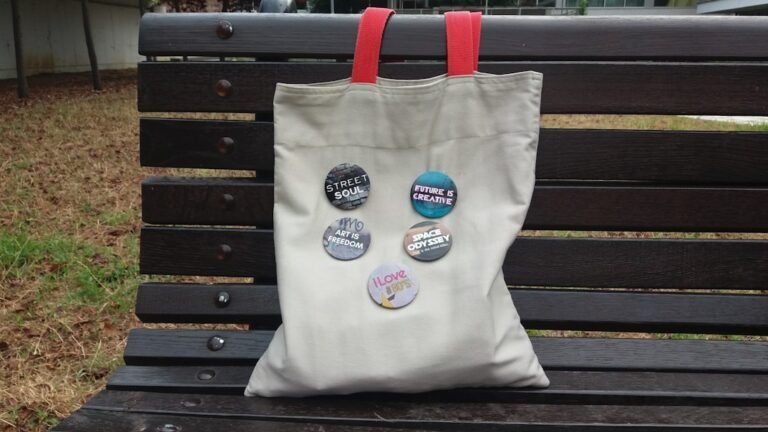
- Personal Projects: Craft a bamboo lamp or a jute tote. Document it. Publish it on your portfolio.
You’ll learn:
1. Material quirks.
2. Prototype pitfalls.
3. Industry standards.
And show future employers you’re serious about eco-friendly careers.
Building a Portfolio with Bamboo and Jute
Your portfolio is your passport. Keep it simple:
– Case studies: Show before/after sketches and prototypes.
– Photos: Crisp shots of textures and finishes.
– Process notes: Challenges you overcame.
– Sustainability metrics: Carbon footprint reduction, waste diverted.
Bonus points if you include a plantable pencil that sprouts herbs once it’s too short to write. Aegle Sriphal’s plantable pencils have become a talking point in sustainable design circles.
Skills Employers Look For
An eco-designer juggling bamboo and jute needs a mixed toolkit:
- Material Mastery
– Understanding fibre strength, weave patterns, curing times. - Software Savvy
– CAD for shaping components.
– Simulation tools for stress testing. - Sustainable Thinking
– Life-cycle analysis.
– Zero-waste workflows. - Collaboration
– Working with manufacturers, farmers, marketers. - Communication
– Writing clear specs.
– Pitching sustainable product stories to buyers.
Polish these, and you’ll land eco-friendly careers roles faster than bamboo grows.
Navigating the Job Market
Where to scout for your first role?
- Sustainable Goods SMEs: Companies like Aegle Sriphal ramp up production of bamboo kitchenware and jute bags.
- Design Consultancies: Firms helping big brands switch to natural materials.
- NGOs & Social Enterprises: Projects teaching rural communities to harvest and process jute.
- Freelance Marketplaces: Offer your skills for one-off product development gigs.
Tip: Attend sustainable product expos in Berlin, Milan or Amsterdam. Network. Hand out business cards printed on bamboo paper.
Comparing Programmes: EIT Master vs Industry-Focused Training
Sure, the EIT Manufacturing Master School shines with its robotics pedigree. But if your passion is bamboo baskets or jute backpacks, consider:
- Time: 2 years vs. 2 weeks of workshops.
- Cost: €15,000 per year vs. €500–€2,000 for a course.
- Content: Robotics algorithms vs. natural material crafts.
- Network: Engineers and AI experts vs. artisans, suppliers and sustainable goods startups.
Balance your career goals. For eco-friendly careers pure and simple, short courses plus real-world projects often deliver faster, cheaper and more relevant skills.
Next Steps: Launching Your Eco-Friendly Careers Path
- Pinpoint Your Niche
Bamboo utensils? Jute fashion? Living goods? - Pick Your Learning Path
Combine a few short courses, webinars (hello, Aegle Sriphal!) and self-directed projects. - Build & Share
Blog your experiments. Leverage tools like Maggie’s AutoBlog to generate SEO-ready posts on eco-design. - Network Relentlessly
Co-working spaces, online forums, trade shows. - Apply Smart
Target SMEs and consultancies that champion sustainability.
Remember: eco-friendly careers aren’t just jobs. They’re a commitment to shaping a greener future, one bamboo chair or jute carrier at a time.