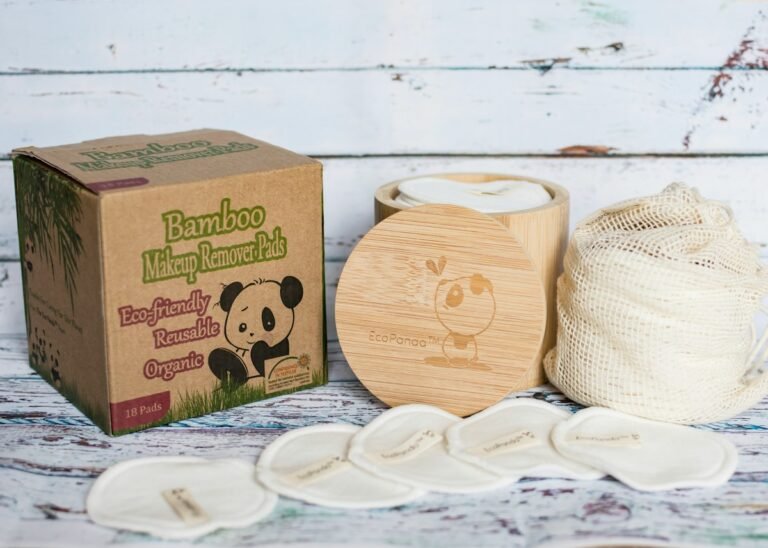
Renewable material products are more than a trend. They’re a necessity. India’s booming population needs eco-friendly solutions that reduce plastic waste and support rural communities. In this case study, we explore how Aegle Sriphal uses bamboo and jute to design renewable material products that blend style, function and sustainability.
Why Renewable Material Products Matter in India
Plastic pollution is choking our rivers and oceans. Fast fashion and single-use plastics are costing us clean air and water. The good news? Renewable material products can reverse that trend. Here’s why:
- Bamboo grows fast. In just 3–5 years, it’s ready to harvest.
- Jute enriches soil. Farmers earn more from crop rotation.
- Natural materials are compostable. No toxic residues.
- Local sourcing boosts rural economies. Jobs and income stay in the community.
Renewable material products cut carbon footprints and empower local artisans. They’re a win for people and planet.
Aegle Sriphal’s Vision for Bamboo and Jute Innovations
At the heart of Aegle Sriphal’s mission is a simple idea: Design thoughtfully. Every product uses 100% natural materials. Every process aims to minimise impact. And every purchase supports a network of farmers and artisans across India.
Key pillars of Aegle Sriphal’s approach:
- Eco-friendly production methods. Low-energy processes, water recycling, no harsh chemicals.
- Innovative design. We blend function with beauty.
- Community engagement. Training programs for jute and bamboo growers.
- Plantable products. Educational tools that can be sewn into the earth.
This framework guides the creation of our signature renewable material products, from homeware to lifestyle accessories.
Case Study 1: Sustainable Sound with Bamboo Speakers
Imagine your office or living room fitted with a sleek, all-natural speaker. That’s the Bamboo Speaker in action.
The Challenge
Corporate gifts often end up in drawers. Most speakers use plastic or metal parts that are hard to recycle.
Our Solution
We partnered with a co-working space in Mumbai. They wanted eco-friendly audio gear for their meeting rooms. We delivered:
- Bamboo Speaker (High priority)
- Bamboo Big Speaker (High priority)
Both models feature:
- Natural aesthetics that warm up any room.
- Clear, balanced audio for calls and music.
- Durable bamboo casing that resists scratches.
Impact
- Reduced plastic use by 1.2 tonnes in six months.
- Positive feedback from 95% of users. “Feels like part of the décor,” they said.
- Four local bamboo farms contracted to supply raw materials.
Case Study 2: Eco-Friendly Travel and Fitness Kits
On the move? We’ve got you covered with two crowd-favorite renewable material products.
Bamboo Travel Kit
A compact set for eco-conscious explorers:
- Bamboo toothbrush holder.
- Reusable bamboo straw.
- Biodegradable plantable pencil for notes on the go.
In partnership with a Delhi-based travel startup, we included this kit in 500 premium luggage sets. The result:
- Zero plastic toiletries used on 300 trips.
- Instagram buzz: #TravelGreen went viral among millennials.
Bamboo Gym Shaker
Fitness junkies deserve better than single-use plastic bottles. Enter the Bamboo Gym Shaker:
- Leak-proof design with natural cork grip.
- Keeps shakes cool and fresh.
- Dishwasher-safe bamboo base.
A leading gym chain in Bengaluru replaced 2,000 plastic shakers with ours. Feedback highlights:
- “Feels amazing in the hand.”
- “I love the natural scent.”
Community and Responsible Sourcing
Behind every bamboo bottle and wooden speaker is a community of farmers and artisans.
Bamboo in the Northeast
States like Assam and Meghalaya cultivate fast-growing bamboo. We:
- Train farmers on sustainable harvest cycles.
- Ensure no clear-cutting of wild forests.
- Pay premium rates for certified bamboo.
Jute in West Bengal
Known as the “Golden Fiber,” jute supports over 4 million farmers.
- We buy jute fiber at fair-trade prices.
- Run workshops on natural dye techniques.
- Co-create homeware and packaging materials.
This network makes our renewable material products truly circular.
Measuring Impact: Numbers You Can Trust
It’s not greenwashing if you can quantify it. Here are some metrics from our last fiscal year:
- 10,000 units of renewable material products sold.
- 25% increase in artisan incomes.
- 3,500 kg of plastic waste avoided.
- 5,000 trees worth of carbon sequestered through reforestation projects.
Lessons Learned and Best Practices
Thinking of launching your own renewable material products? Here are three tips:
- Partner locally. Farmers and small factories know the terrain.
- Design for end-of-life. Bio-materials should return to the earth.
- Tell the story. Consumers want to see impact metrics and origin stories.
These steps turn good intentions into real change.
How You Can Start with Renewable Material Products
You don’t need a factory in India to go green. Start small:
- Switch to a bamboo bottle instead of plastic.
- Gift a Bamboo Travel Kit to your eco-traveller friend.
- Replace your office speaker with a Bamboo Speaker.
Every swap counts. Every choice matters.
Conclusion
Renewable material products aren’t just better for the planet. They rebuild local economies. They connect us back to nature. And they prove that sustainability and style can coexist.
Ready to make the switch? Explore our full range of bamboo and jute innovations. Let’s shape a greener tomorrow—together.
Discover more at Aegle Sriphal → https://aeglesriphal.com/