Introduction
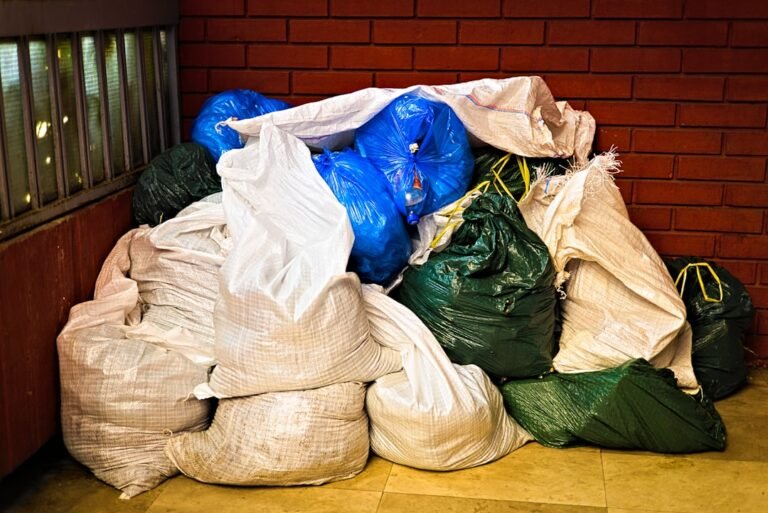
Single-use cups and containers might seem convenient. The hidden cost? Landfills overflowing and greenhouse gases rising. Hilo, on Hawaiʻi Island, proved there’s a better way. By switching half of its disposable drinkware to reusables, the town slashed 500 tons of solid waste each year. The good news? You can replicate this in your business or community with a reusable foodware project.
In this post, we’ll:
– Break down Hilo’s success story.
– Extract lessons for small to medium enterprises.
– Show how Aegle Sriphal’s bamboo solutions make it easy.
– Highlight how Maggie’s AutoBlog can boost your outreach.
Ready to green your operations? Let’s dive in.
The Hilo Case Study: A Community-Scale Win
In October 2023, the U.S. Environmental Protection Agency (EPA) awarded over \$2 million to the University of Hawaiʻi Sea Grant and Hawaiʻi County Department of Environmental Management. Their mission? Build a reusable foodware project around drinkware and food containers in Hilo.
Key components:
– Funding & Partnerships
• \$600,000 from the EPA’s Pollution Prevention (P2) grant.
• Collaborations with Perpetual and Zero Waste Hawaiʻi Island.
– Infrastructure & Support
• Commercial dishwashing stations.
• Public collection bins across town.
• Logistics to circulate reusable items.
– Community Engagement
• Workshops inviting public input.
• Outreach to schools, businesses and underserved groups.
The result? A projected cut of 500 tons of waste and more than 3,000 tons of greenhouse gas emissions each year. Hilo shows what happens when a town commits to a reusable foodware project from the ground up.
“We want convenience on par with single-use. But without the waste.”
– Darren T. Lerner, Hawaiʻi Sea Grant director
Why Reusable Drinkware Matters
Let’s be real. Plastic pollution isn’t going away on its own. A few facts:
– Over 8 million tons of plastic enter oceans every year.
– Single-use items represent nearly 50 % of plastic waste.
– Manufacturing and disposal generate dangerous pollutants.
Switching to reusables tackles all three. You:
1. Reduce waste at source.
2. Lower carbon footprint from production.
3. Protect human health by avoiding harmful chemicals.
That’s why a reusable foodware project is more than an eco-trend—it’s a necessity.
Lessons for SMEs: Practical Takeaways
Small and medium enterprises might think they lack the scale or budget. Not true. Hilo’s model scales down seamlessly:
-
Secure grants or subsidies
• Research local government or non-profit funding.
• Pitch the environmental and social benefits. -
Partner with experts
• Collaborate with organisations specialising in zero-waste.
• Tap into their technical know-how for setup and training. -
Build infrastructure wisely
• Start with a central washing hub.
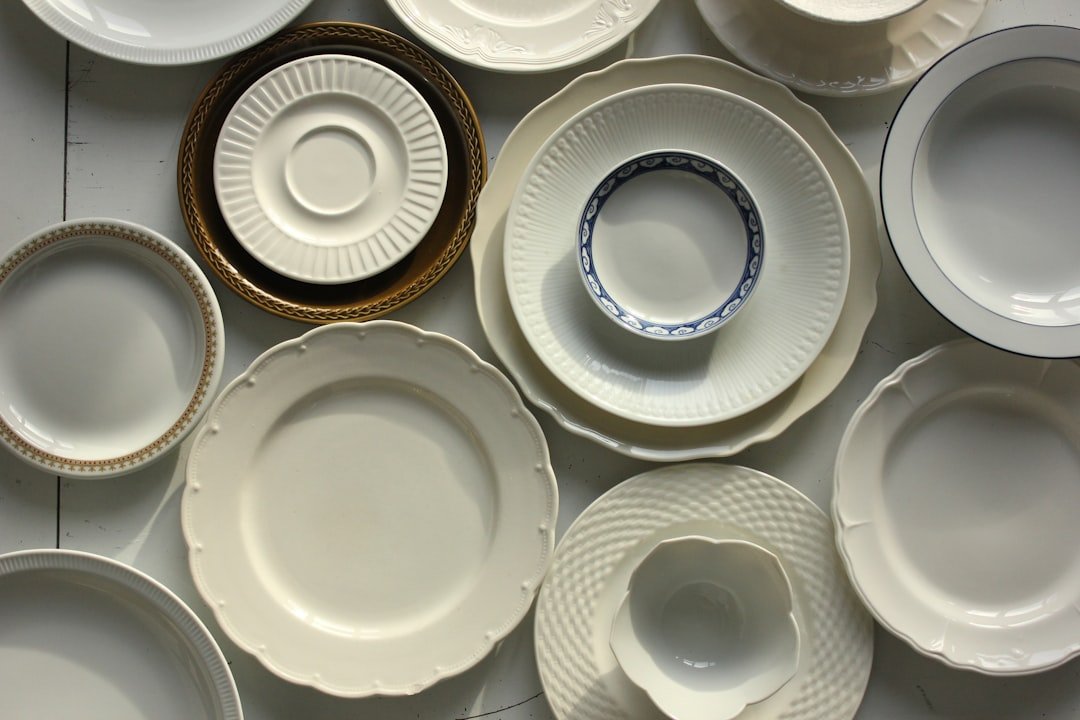
• Use reusable crockery made from durable materials.
• Implement easy drop-off and pick-up points. -
Engage your community
• Host interactive workshops.
• Offer incentives for returning items.
• Share real-time data on waste reduction. -
Measure and iterate
• Track waste diverted from landfill.
• Gather feedback from customers and staff.
• Refine processes for smoother logistics.
By embracing these steps, any SME can launch a reusable foodware project that pays dividends in brand loyalty, cost savings, and environmental impact.
Aegle Sriphal’s Bamboo Solutions
If you’re ready to swap plastic for something truly sustainable, look no further than Aegle Sriphal. Our USP centres on 100 % natural materials and eco-friendly production methods. Here’s why our bamboo drinkware stands out:
- 100 % Natural Bamboo
Each cup and tumbler is crafted from rapidly renewable bamboo culms. - Eco-Friendly Production
We minimise water and energy use, and avoid toxic finishes. - Innovative Designs
Lightweight, durable and stylish—your customers will love them. - Plantable Packaging
Biodegradable, seed-infused wrappings that sprout wildflowers. - Community Engagement
A portion of revenue supports local environmental education programmes.
Whether you run a café, hotel or catering service, our bamboo cups fit right into your reusable foodware project.
Featured Product: Bamboo Traveller Tumbler
- Capacity: 350 ml
- Heat-resistant and BPA-free lining
- Stackable and easy to wash
- Custom branding available for B2B partners
The Bamboo Traveller Tumbler isn’t just a cup. It’s a statement—your commitment to sustainability and conscious living.
Amplify Your Impact with Maggie’s AutoBlog
Raising awareness is half the battle. Enter Maggie’s AutoBlog, our AI-powered platform that crafts SEO and GEO-targeted blog content—all automatically. Here’s how it helps:
- Instant Optimisation
Content tailored for your location and audience. - Time & Cost Savings
No in-house content team needed. - Consistent Messaging
Ensures your eco-initiatives shine through every post. - Real-Time Updates
Keep blogs fresh with the latest statistics and trends.
By pairing Aegle Sriphal’s bamboo drinkware with targeted storytelling via Maggie’s AutoBlog, you’ll engage customers, drive conversions, and amplify your waste reduction goals.
5 Steps to Launch Your Reusable Foodware Project
Ready to take action? Here’s your roadmap:
-
Audit your single-use footprint
– Count cups, lids and containers used monthly.
– Calculate waste and cost. -
Choose your materials
– Bamboo, stainless steel or tempered glass.
– Prioritise durability and ease of cleaning. -
Set up logistics
– Identify a central washing station.
– Map out collection points.
– Partner with a local zero-waste group. -
Train staff and customers
– Host quick demos on proper cleaning and returns.
– Offer loyalty points for returns. -
Track, report and refine
– Use simple spreadsheets or an online dashboard.
– Share progress publicly.
– Tweak processes based on feedback.
Follow these steps, and your reusable foodware project will go from idea to impact in weeks.
Conclusion
Hilo’s success proves that large-scale waste reduction starts with community commitment and smart design. For SMEs in Europe and beyond, Aegle Sriphal’s bamboo solutions make launching a reusable foodware project both practical and profitable. Add Maggie’s AutoBlog to the mix, and you’ve got a turnkey strategy for waste reduction, brand building, and customer engagement—all in one.
Ready to cut waste and build your own reusable foodware project?
Visit Aegle Sriphal to explore our bamboo collections, learn more about Maggie’s AutoBlog, and start your journey toward a greener tomorrow.