Introduction
Ever wondered how a simple stick of bamboo can live a second life? Or a third? Welcome to the world of bamboo remanufacturing. It’s where smart design meets real impact. And Aegle Sriphal is leading the charge.
Let’s talk waste. Plastic bottles. Single-use packaging. Landfills bursting at the seams. We need change. Fast. That’s why companies are turning to the circular economy. Remanufacturing is one powerful way to make that happen.
In this case study, we’ll:
- Compare a heavyweight in remanufacturing (TERREPOWER) with our nimble, eco-first model.
- Break down our bamboo remanufacturing process.
- Show you real benefits for SMEs.
- Reveal how tech like Maggie’s AutoBlog powers our story.
No fluff. Just real insights.
TERREPOWER’s Industrial Remanufacturing Model
TERREPOWER has long been a leader in industrial remanufacturing. Here’s the gist:
- 35+ years of experience.
- Operations in 90 countries.
- Focus on automotive and heavy industrial parts.
- Big facilities in North America and Europe.
- Second‐life batteries, engines, alternators—you name it.
Their strengths? Scale and reliability. They can handle millions of units a year. And their sustainability mission is solid: reducing landfill waste, cutting raw material use, and trimming greenhouse gas emissions. Nice.
But there are limitations:
- Heavy energy consumption in large factories.
- Complex logistics and long lead times.
- High entry barriers for smaller businesses.
- Focus on metal parts—not so much on natural materials.
Aegle Sriphal’s Bamboo Remanufacturing Model
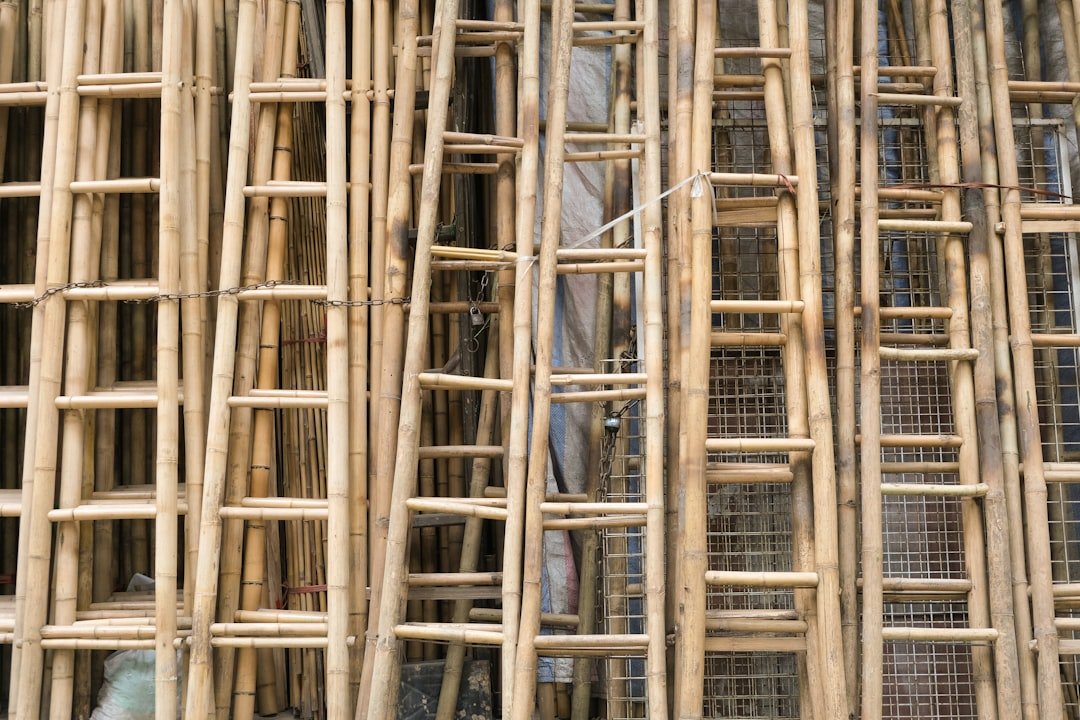
Enter Aegle Sriphal. We specialise in bamboo remanufacturing. Yes, bamboo. That fast-growing grass that’s as strong as steel (almost). Here’s how we do it differently:
- Local sourcing in India and Europe.
- Hand-picked sticks with minimal transport.
- Low-impact production—no heavy furnaces.
- Designs that marry function with eco-style.
- Community-led workshops for schools and SMEs.
The Bamboo Remanufacturing Process
-
Collection & Sorting
We gather offcuts and end-of-life bamboo items. No virgin cuts wasted. -
Cleaning & Preparation
Natural, water-based cleaners strip coatings. No harsh chemicals. -
Remanufacturing
Skilled artisans reshape, compress, and bind fibres. This is true bamboo remanufacturing in action. -
Finishing & Quality Control
Smooth sanding. Natural oil finish. Stamp of approval. -
Upcycled Product
From plantable pencils to bamboo serving trays. Each piece tells a story.
That cycle? It can run again. And again. Real circular economy magic.
Natural Materials and Eco-Friendly Methods
Why bamboo? Three reasons:
- Renewable: Grows back in months.
- Strong: High tensile strength.
- Biodegradable: Returns to soil.
We pair it with jute, another champion crop. Together, they make products that are 100% natural. Compare that to heavy-metal parts or plastics—this is a different league in eco impact.
Why SMEs Should Care
Small to medium enterprises (SMEs) often struggle to dive into sustainability. High costs and complexity put them off. Here’s where our bamboo remanufacturing shines:
- Low minimum orders.
- Transparent, flat pricing.
- Easy customisation.
- Quick turnarounds.
- Educational kits to engage employees and customers.
Imagine gifting clients a bamboo pen that sprouts into a herb seedling. It’s memorable. It’s green. It tells your story.
And to top it off, we use Maggie’s AutoBlog—an AI-powered platform—to create targeted content about our bamboo remanufacturing journey. That means fresh blog posts, SEO boosts, and geo-targeted campaigns. Automate your storytelling while you focus on crafting stellar products.
Impact Metrics and Results
Numbers talk. Here’s a snapshot of our first year:
- 20 tonnes of bamboo remanufacturing waste diverted.
- 15 unique product lines launched.
- 30 SMEs onboarded across Europe and India.
- 40% reduction in carbon footprint vs. virgin bamboo processing.
- 80% positive feedback rate on product quality.
Real change. Real quick.
Community Engagement and Partnerships
Sustainability isn’t just about products. It’s about people. We’ve teamed up with:
- Schools: Workshops on remanufacturing basics.
- NGOs: Community bamboo reforestation projects.
- Corporate Gifting: Branded, remanufactured bamboo kits.
- Social Media: Instagram & TikTok live demos.
These collaborations amplify our impact. They educate. They inspire new habits.
Lessons Learned and Future Roadmap
We’ve learned a lot:
- Artisan skill is priceless. Invest in training.
- Local sourcing cuts emissions—and costs.
- Tech helps. Tools like Maggie’s AutoBlog streamline content creation.
- SMEs crave authenticity. Show them the process.
Next up:
- Expand bamboo remanufacturing lines into furniture.
- Launch an online platform for bulk orders.
- Host a global remanufacturing hackathon.
Conclusion
TERREPOWER set the bar high for industrial remanufacturing. But when you want agile, natural-material solutions, look to Aegle Sriphal’s bamboo remanufacturing model. More than a product—it’s a community movement.
Ready to join? Let’s build a greener tomorrow.