A Bamboo Revolution: Reducing Plastic One Stem at a Time
Plastic waste is everywhere. Beaches, rivers, even our food chains. Southeast Asia sustainability efforts are racing to close the tap on single-use plastic before things get out of hand. Community groups, NGOs and innovators are uniting around a simple idea: swap plastic for fast-growing bamboo and durable jute. The result? Cleaner waterways, healthier ecosystems, and empowered local economies.
This article dives deep into community-driven bamboo initiatives tackling plastic pollution across the region. You’ll see real case studies, learn best practices, and discover how tiny projects spark big change. Eco-Transformation: Aegle Sriphal’s Sustainable Product Initiative for Southeast Asia sustainability invites you to explore hands-on solutions that replace plastic waste with natural materials and community pride.
The Plastic Plague in Southeast Asia
Southeast Asia sustainability is under siege. Rapid urbanisation and rising consumption have pushed mismanaged plastic waste to record highs. Around 11 million metric tonnes of plastic end up in our oceans every year. That’s more than 85 percent of marine pollution globally. If this continues, plastic could outweigh fish by 2050.
Key challenges:
– Weak waste collection systems in Cambodia, Lao PDR, and Myanmar
– Low recycling rates in Indonesia, the Philippines and Vietnam
– Fragmented regional coordination on plastic trade and marine debris
In response, the Association of Southeast Asian Nations launched the Regional Action Plan for Combating Marine Debris (2021–2025). Backed by the World Bank’s SEA-MaP programme, it sets fourteen priority actions: from policy support to private-sector engagement. With a $20 million grant and strong local partnerships, this plan lays the groundwork for a plastic-free future—and paves the way for bamboo and jute to shine.
The Bamboo and Jute Answer: Versatile and Fast-Growing
Why bamboo and jute? It boils down to three simple facts:
1. Renewable speed – Some bamboo species grow up to a metre a day.
2. Biodegradability – Bamboo and jute break down naturally. No microplastics.
3. Local labour – Many rural communities cultivate these crops as part of their heritage.
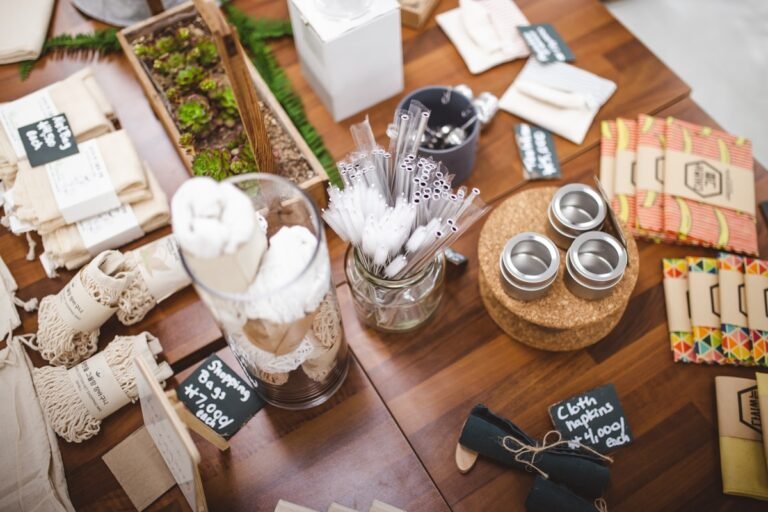
By embracing bamboo straws, jute totes and bamboo homeware, communities slash single-use plastic at its source. The ripple effects touch public health, tourism and livelihoods. Plus, these materials create durable goods that last decades—no landfill needed.
Many brands are already on board. Aegle Sriphal, for instance, crafts bamboo homeware and plantable pencils that sprout into herbs once you’ve used them. Their approach highlights how thoughtfully designed products can advance Southeast Asia sustainability and inspire conscious living.
Case Studies: Community-Driven Bamboo Initiatives
Let’s explore three inspiring on-the-ground projects:
1. Indonesia’s Bamboo Bottle Collective
In Bali, local artisans teamed up with waste pickers to transform culled bamboo into reusable water bottles. The project:
– Trains women’s cooperatives in bamboo curing and finishing
– Buys back waste bamboo from forestry departments
– Distributes bottles at beach clean-ups, replacing plastic sachets
The result? A 30 percent drop in plastic bottle sales in participating villages. Visitors love the handcrafted look. And beaches are visibly cleaner.
2. Thailand’s Jute Tote Uplift
On the Gulf Coast, a community in Surat Thani grew jute for centuries. A social enterprise added value by weaving jute into stylish shopping bags:
– Provides stable incomes for smallholder farmers
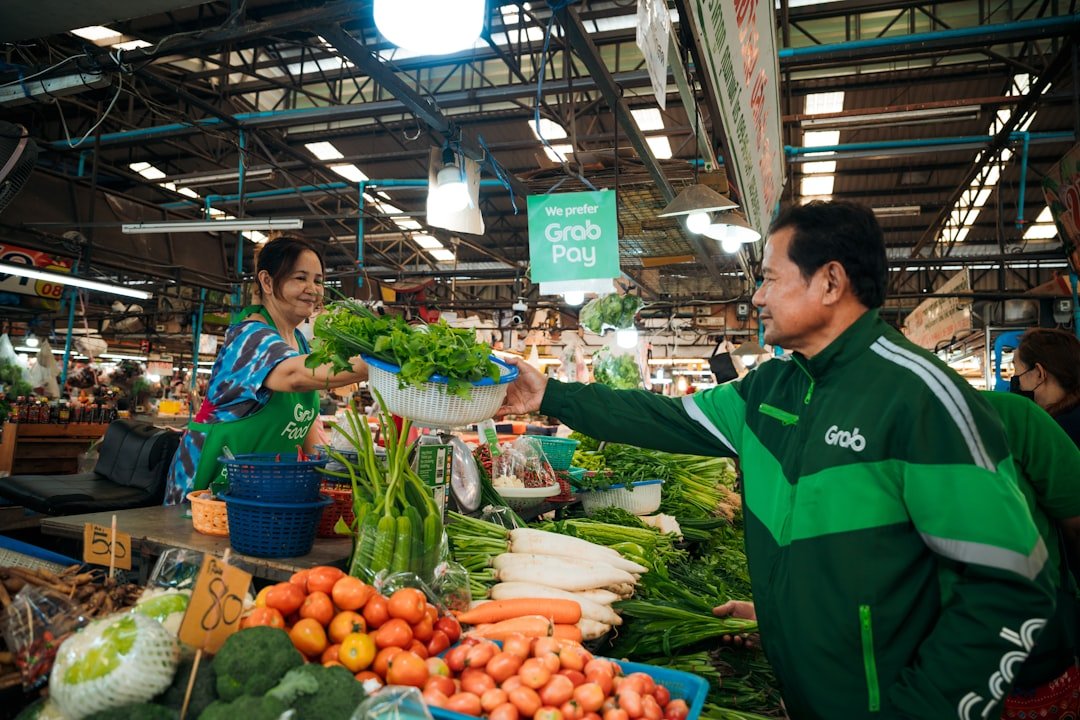
– Partners with local markets, cutting plastic bag use by half
– Recycles off-cuts into natural fibre insulation
This initiative shows how traditional skills boost Southeast Asia sustainability when linked to modern retail.
3. Philippine Bamboo Fiber Workshops
In Cebu, activists run workshops teaching youth to make bamboo-fibre soap dishes, toothbrushes and utensils. Each workshop:
– Combines beach clean-up with hands-on crafting
– Encourages schools to adopt zero-plastic policies
– Channels profits into coastal restoration
These pop-up workshops have reached over 5,000 students, igniting grassroots passion for bamboo solutions.
Scaling Up: Policy Frameworks and Regional Collaboration
Small projects are vital but scaling requires policy muscle. SEA-MaP supports:
– National action plans in Cambodia, Vietnam and the Philippines
– Private finance mobilised for refill-and-reuse systems
– A regional Extended Producer Responsibility platform
By aligning local regulations with community needs, bamboo and jute ventures can flourish. Governments that streamline permits for bamboo processing plants and offer micro-grants for cooperatives fuel a wider shift. This synergy accelerates Southeast Asia sustainability from pilot schemes to mainstream markets.
Learn more about Southeast Asia sustainability efforts by Aegle Sriphal
Best Practices for Bamboo Initiatives
From these case studies and policies, we extract key lessons:
- Engage local champions: Villagers, artisans and fishermen know the terrain; they spot gaps in waste systems.
- Keep designs simple: Bamboo straws and jute bags need minimal tools, which cuts costs and training time.
- Secure offtake: Forge ties with hotels and airlines to guarantee purchase volumes and fair prices.
- Reinvest in the community: Profits that return to schools, clinics and clean-up crews build long-term buy-in.
Together, these practices boost impact and drive an ecosystem shift toward circularity. And they keep Southeast Asia sustainability at the heart of every fibre.
How You Can Get Involved
You don’t need to be a policymaker or a big NGO to make a difference. Here’s how you can help:
- Switch to bamboo and jute products for your kitchen and home. Even small swaps matter.
- Support social enterprises and community cooperatives at local markets or online.
- Volunteer for a beach clean-up or host a bamboo-craft workshop at your school.
- Share your story on social media to inspire friends and family.
Every action pushes the needle on Southeast Asia sustainability. If you’re curious about natural materials and eco-friendly design, check out Aegle Sriphal’s range of bamboo homeware and their innovative plantable pencils. They’re a simple way to replace plastic in your daily life.
Testimonials
“I swapped plastic straws for bamboo ones and never looked back. My kids love the look and we’ve saved hundreds of single-use straws.”
— Maria Santos, Beach Clean-Up Volunteer
“Aegle Sriphal’s plantable pencils are brilliant. I wrote my grocery list, then planted the stub in a pot. Five weeks later I had mint.”
— Nikhil Patel, Sustainability Educator
“The jute bag I bought at the local market is my go-to shopper. It’s sturdy; it’s natural; it’s a conversation starter about waste.”
— Ratchanee Lim, Community Advocate
Conclusion: Growing a Plastic-Free Future
Plastic pollution in Southeast Asia demands bold, collaborative solutions. Bamboo and jute offer a clear path to cleaner waterways, empowered communities and thriving ecosystems. From village cooperatives to regional action plans, these natural materials prove that simple swaps can spark systemic change.
Ready to make a difference? Join Aegle Sriphal’s mission for Southeast Asia sustainability today and discover how everyday products can reshape our planet—one bamboo stem at a time.