Why Eco-Friendly Production Methods Matter
You’ve seen the headlines. Plastic waste choke our oceans. Landfills overflow. Governments tighten regulations on unsustainable manufacturing. Consumers demand change. And businesses? They must adapt—or get left behind.
The good news? Eco-friendly production methods can turn these challenges into opportunities. For small to medium enterprises in Europe, embracing green manufacturing isn’t just a moral win. It’s a competitive edge.
- Reduce costs over time through resource efficiency
- Meet evolving consumer preferences for sustainable goods
- Stay ahead of regulation and avoid fines
At Aegle Sriphal, we don’t just talk about change. We build it—one plantable pencil and bamboo homeware piece at a time.
Sustainable Material Selection: Bamboo and Jute
The cornerstone of our eco-friendly production methods? Natural materials that grow back fast and demand minimal inputs.
Bamboo: The Superstar of Renewables
- Rapid growth: Some species mature in under six months.
- Versatile strength: Ideal for homeware, furniture, even textiles.
- Carbon capture: Bamboo forests lock in CO₂ more efficiently than many trees.
By sourcing bamboo from certified plantations, we ensure each harvest regenerates the ecosystem. This isn’t guesswork. It’s science-backed sustainability.
Jute: The Unsung Hero
- Biodegradability: Jute decomposes in weeks, not centuries.
- Low water footprint: Requires far less irrigation than cotton.
- Rich by-product uses: Seeds feed livestock; fibres enrich soil.
Our jute-based tote bags and home accessories demonstrate how a humble plant can become an eco-friendly powerhouse.
Innovative Bamboo Processing Techniques
Turning raw bamboo into sleek, functional products demands precision—and respect for the material.
-
Steaming and Splitting
We gently steam bamboo poles to loosen fibres. Then we split them into uniform strips. No harsh chemicals. No excess waste. -
Natural Dyeing
Instead of synthetic dyes, we use plant extracts. Turmeric for warm yellows. Indigo for deep blues. The result? Products free from toxins and full of character. -
Cold-Press Moulding
To shape bamboo into utensils or homeware, we employ cold-press hydraulic moulds. This method minimises energy use and preserves the wood’s natural strength.
Each step embodies our commitment to eco-friendly production methods, keeping emissions low and quality high.
Zero-Waste Manufacturing: Minimising Every Scrap
Waste is the enemy of sustainability. At Aegle Sriphal, we’ve built a zero-waste workflow:
- By-product upcycling: Bamboo offcuts turn into activated charcoal for air-purifying sachets.
- On-site composting: Jute chaff and organic residues feed our community garden.
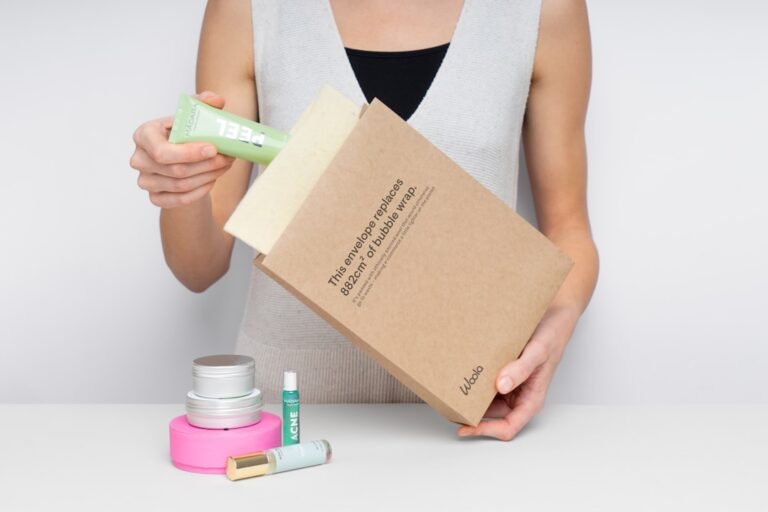
- Circular packaging: We use recycled cardboard, printed with soy-based inks, and ship products in seed-infused wrapping that customers can plant.
Think of it as an eco-friendly domino effect: little scraps become new resources instead of landfill fodder.
Plantable Products: Design Meets Education
We love a good story. And every plantable pencil or seed-infused bookmark we craft is a mini-lesson in sustainability.
- How it works: Use the pencil until it’s too short to write. Then plant the stub.
- What grows: Wildflowers, basil, mint—depending on the product line.
- Why it matters: Customers learn firsthand how waste can nourish new life.
This design-driven approach cements our eco-friendly production methods in the hearts and minds of users.
Empowering the Green Narrative with AI-Driven Content
Behind every sustainable product lies a story. We harness Maggie’s AutoBlog, our AI-powered platform, to craft SEO and GEO-targeted content that resonates. Here’s how it helps:
- Optimised reach: Tailor articles for European SMEs hungry for eco-friendly solutions.
- Consistency: Generate regular, high-quality posts without hiring a full content team.
- Data-driven topics: Align blog themes with market trends and search intent.
In short, Maggie’s AutoBlog fuels our message—raising awareness about eco-friendly production methods and driving engagement.
Community Engagement and Education
Sustainability isn’t a solo journey. We partner with schools, NGOs, and local markets to spark change:
- Workshops: Hands-on demos in bamboo processing and jute weaving.
- Webinars: Online sessions on adopting eco-friendly production methods for SMEs.
- Collaborations: Co-branded lines with eco-conscious brands and artists.
By sharing knowledge, we build a tribe of eco-advocates who amplify our mission.
Conclusion: A Path to Greener Manufacturing
Eco-friendly production methods aren’t a trend. They’re an imperative. From bamboo’s rapid renewability to jute’s biodegradability, every material choice matters. Pair that with zero-waste manufacturing, plantable designs, and compelling storytelling powered by Maggie’s AutoBlog, and you’ve got a blueprint for sustainable success.
The question isn’t if businesses will adopt green manufacturing. It’s when. And with partners like Aegle Sriphal, the transition has never been smoother or more inspiring.
Ready to revolutionise your production with eco-friendly production methods?
Discover our sustainable range and join the green movement at Aegle Sriphal.