The Real Talk on Natural Alternatives: Making Sense of Daily Habits
Every morning routine comes with a hidden mountain of plastic waste. From synthetic toothbrushes and bathroom disposables to kitchenware that sits in landfills for centuries, the everyday items we barely think about carry a massive ecological cost. Across India and South Asia, conscious shoppers are looking past commercial greenwashing to find authentic everyday essentials. They want items that actually work, withstand daily use, and tread lightly on the soil. Embracing bamboo reusable products provides a sensible, long-lasting solution, helping households eliminate single-use plastics without sacrificing convenience or performance. If you are keen to transform your home with durable botanic alternatives, check out the eco-transformation with Aegle Sriphal’s sustainable product initiative to discover mindful living essentials designed for daily life.
The cultural shift towards sustainable living across South Asian cities is no passing trend. Community discussion boards, beauty forums, and zero-waste groups reveal a decisive shift: shoppers are tired of paying premium prices for flimsy imports that fall apart after three washes. Instead, they want functional goods crafted from regional resources like bamboo and jute. These materials offer natural antimicrobial properties, renewable harvests, and zero toxic run-off. When evaluating whether to ditch disposables, everyday consumers prioritise three simple metrics: durability, ease of maintenance, and honest environmental integrity.
What Everyday Discussions Reveal About Sustainable Daily Essentials
Browsing through lifestyle forums and consumer threads highlights the real friction points people experience when swapping out single-use items. Take personal care routines, for instance. A common debate revolves around switching from single-use cotton rounds to washable rounds made from plant fibres.
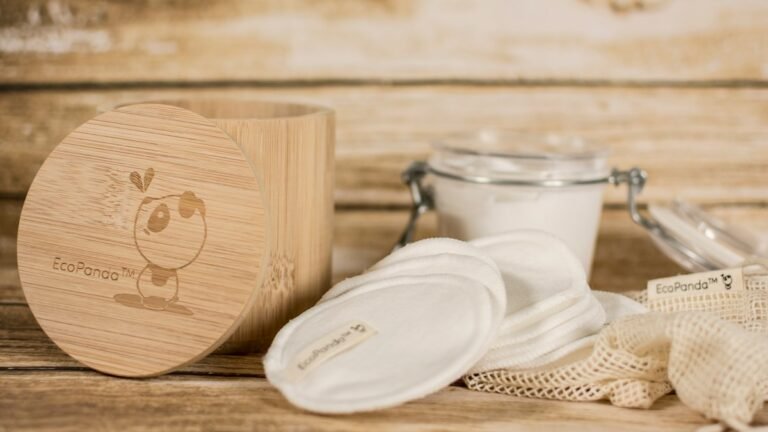
At first glance, a bag of disposable cotton wool pads feels inexpensive. Yet community members frequently point out how quickly those small purchases add up, both in terms of monthly household expenses and local municipal waste. Single-use pads soak up half your expensive toner or micellar water before even touching your face. When people switch to natural alternatives, such as washable bamboo or organic fabric rounds, their feedback centres around several practical factors:
- Gentle texture: Does the fabric stay soft on sensitive skin around the eyes, or does it turn coarse after drying?
- Product absorption: Does the weave lift away stubborn sunscreen and kajal without drinking up half the bottle of cleanser?
- Washability: Can you toss it in with regular laundry or hand-rinse it under the tap without keeping grey stains?
- Structural longevity: Do the edges fray after two cycles in the washing machine?
When alternatives tick these practical boxes, consumers happily stick with them. The moment a sustainable product demands fussy care instructions or underperforms, it gets shoved to the back of the medicine cabinet. Practical sustainability must fit into regular, busy routines.
The Problem with Generic Western Imports vs Regional Craftsmanship
A major complaint echoed by shoppers across South Asia concerns the flood of generic sustainable goods imported from foreign online stores. While international brands produce well-marketed items, such as imported makeup pads or Western-designed cutlery sets, they often fail to address regional conditions.
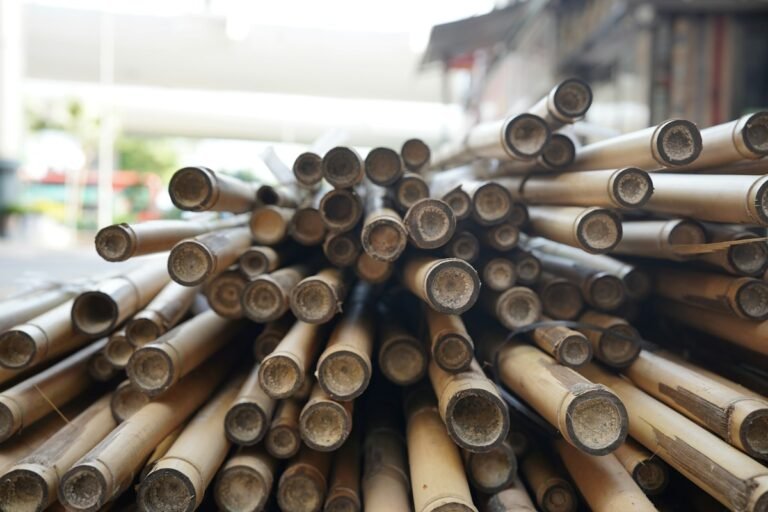
Western imported items frequently carry heavy carbon footprints from overseas transit. Worse, they are rarely built to handle local conditions, such as high humidity, monsoon moisture, hard water minerals, or traditional oil-based personal care routines. In contrast, regional initiatives source materials indigenous to South Asian soil. Bamboo grows rapidly across the subcontinent, requiring no artificial fertilisers and minimal irrigation. It yields a strong, naturally water-resistant fibre that suits warm, humid climates perfectly.
Shoppers evaluating natural homeware and hygiene items demand products crafted with 100% natural materials, transparent production processes, and zero synthetic coatings. By supporting homegrown craftsmanship, you reduce international freight emissions while investing in regional agricultural livelihoods.
Everyday Performance: Evaluating Bamboo in the Home and Bath
How do natural materials hold up against common household tasks? Let us break down how authentic plant materials perform across your home.
Kitchen and Dining
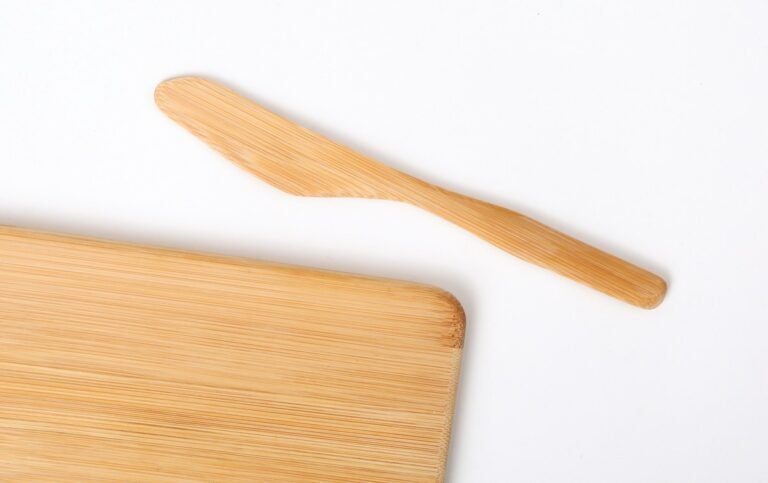
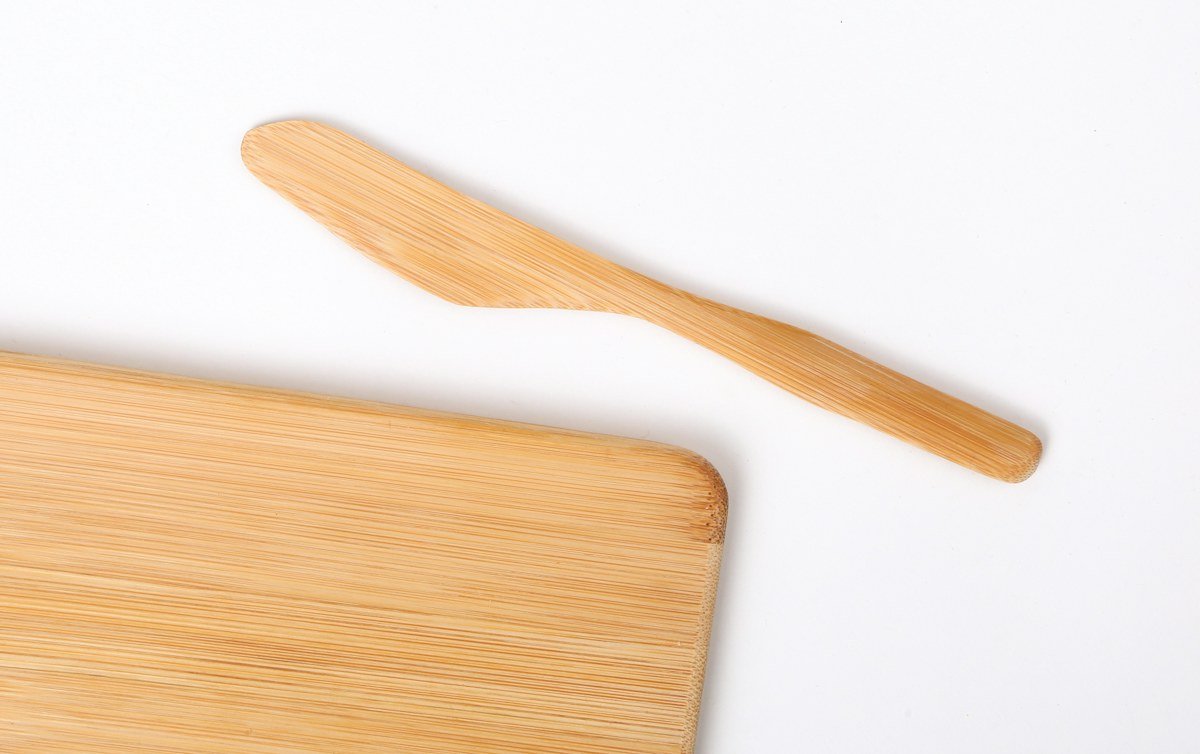
Plastic utensils leach microplastics, particularly when exposed to boiling curries, hot tea, or acidic marinades. Bamboo cutlery, ladles, and homeware provide heat resistance without chemical coatings. They are light, robust, and do not scratch non-stick cookware or delicate ceramic bowls. Unlike porous softwoods, natural bamboo boasts a dense cellular structure that repels deep food odours and cleans easily with mild soap.
Bathroom and Skincare
In high-humidity bathrooms, synthetic items trap mildew and degrade into sticky messes. Bamboo toothbrushes and washable cleansing pads offer natural antimicrobial benefits. They dry rapidly between uses, reducing the risk of bacterial buildup. For anyone managing sensitive skin, the silky, round fibres of natural bamboo fabric prevent the micro-abrasions caused by cheap polyester blends.
Writing and Workspace
The environmental crisis extends to our home desks and school classrooms. Countless cheap plastic ballpoint pens are tossed out every week. Plantable pencils and natural desk accessories crafted from bamboo offer a closed-loop alternative. Once the pencil runs down to a stub, you pot it in soil and watch it sprout into herbs or flowers. It turns an ordinary habit into an active lesson in waste reduction.
Finding tools that combine durability with low environmental impact makes daily routines far more rewarding. To explore how thoughtful design transforms everyday living, browse the complete range of Aegle Sriphal bamboo reusable products engineered for conscious homes across South Asia.
Practical Upkeep: How to Make Plant Materials Last for Years
A common myth holds that natural materials are delicate and difficult to maintain. That simply is not true. If you follow a few basic habits, your items will easily outlast their plastic equivalents:
- Air them out properly: After washing bamboo cutlery, cutting boards, or facial rounds, let them air-dry in a well-ventilated space. Never seal damp plant materials in airtight plastic boxes.
- Wash with gentle cleaners: Avoid aggressive chlorine bleach or harsh synthetic detergents. Warm water and simple castile soap or gentle washing powder preserve natural plant fibres.
- Condition the wood occasionally: For cutting boards and solid bamboo homeware, rub a tiny drop of edible coconut or mustard oil into the surface every few months to keep the grain supple and water-tight.
- Compost at end-of-life: When a plantable pencil or pure bamboo toothbrush handle reaches the end of its useful cycle, it can return directly to the soil. Just snap off any non-compostable bristles before placing the handle into your home compost bin.
Why Community Action and Local Education Matter
A sustainable lifestyle cannot exist in isolation. Real environmental protection requires collective action, community sharing, and accessible education. Across India and neighbouring countries, local initiatives must tackle systemic issues, including plastic-clogged drainage, overflowing landfills, and polluted waterways.
When schools, businesses, and universities swap out synthetic conference stationery for plantable pencils and bamboo accessories, the cultural conversation shifts. Sustainability changes from a luxury pursuit into standard community practice. Choosing home-grown alternatives sends a clear market signal: consumers will not accept single-use convenience at the expense of regional ecosystems.
South Asian households have understood resourcefulness for generations. Reusing containers, repairing worn tools, and repurposing textiles are foundational cultural values. Modern eco-friendly manufacturing simply revitalises those traditions, pairing time-tested natural materials with functional modern designs.
Choosing Long-Term Value Over Disposable Convenience
Every sustainable switch you make is a vote for the world you want to live in. Swapping flimsy disposables for resilient, locally suited botanic items keeps microplastics out of our food chain, protects municipal workers from hazardous waste, and preserves valuable resources.
The path to an uncluttered, sustainable home begins with modest daily choices. Whether you are upgrading your bathroom essentials, outfitting your kitchen with natural tools, or seeking zero-waste stationery for your desk, dependable regional options are ready to step in. Choose resilience, simplicity, and natural integrity by exploring authentic bamboo reusable products from Aegle Sriphal and take a practical step towards a cleaner, greener tomorrow.