

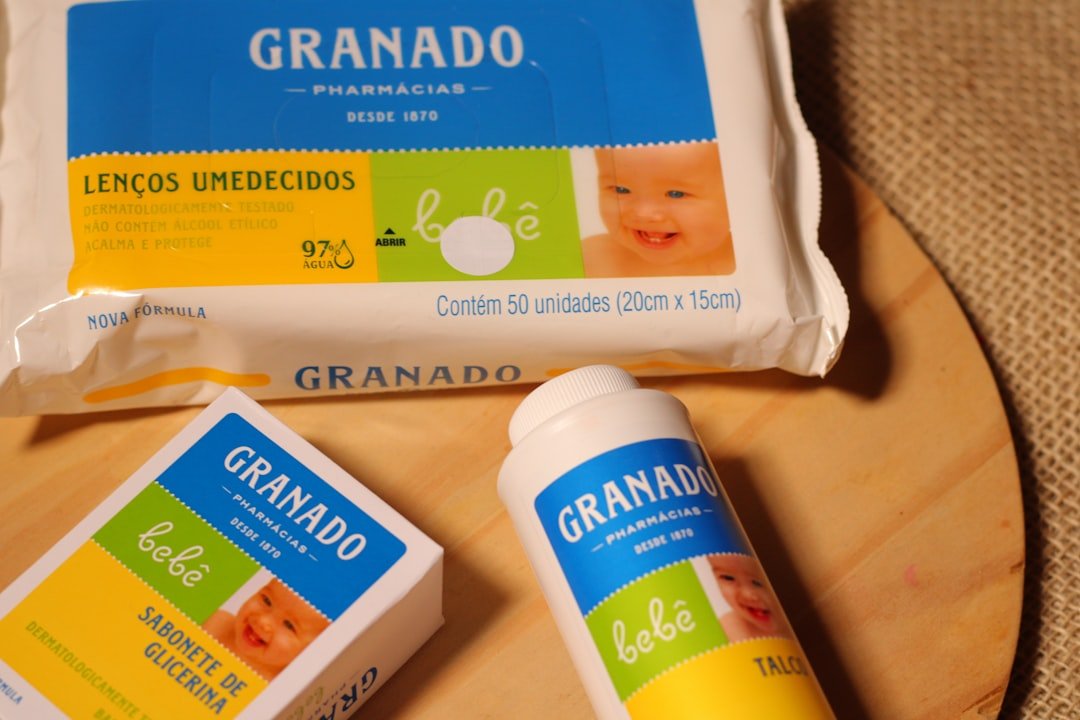
Raising a little one comes with exciting milestones…and a lot of gear. From nursery décor to feeding essentials, modern parents juggle choices every day. If you’re committed to conscious living, you already know the impact of plastics—and you want real alternatives. That’s where sustainable baby products like bamboo baby bottles shine. In this post, we’ll explore why bamboo is an eco-friendly winner, compare it to BPA-free plastic, and show you how Aegle Sriphal’s bamboo baby bottles can make feeding time greener.
Why Switch to Sustainable Baby Products?
We love our conveniences. But traditional plastic baby bottles—even BPA-free options—still rely on fossil fuels. Here’s why a shift makes sense:
-
Reducing Plastic Waste:
Globally, plastic waste is topping 350 million tonnes every year. Baby bottles add to that tidal wave. Even if recycled, plastic degrades in quality and often ends up in landfills or oceans. -
Minimising Chemical Exposure:
BPA-free plastics are safer than older plastics, but they can still leak other chemicals called phthalates. Babies are especially vulnerable to toxins during rapid growth. -
Teaching Conscious Habits:
Every eco-friendly switch sends a message. You teach your child—and community—that we value the planet’s future.
In short, choosing sustainable baby products helps protect your child and their world.
Bamboo vs BPA-Free Plastic: A Head-to-Head
Before committing, let’s compare these two popular baby bottle materials:
| Feature | BPA-Free Plastic | Bamboo |
|---|---|---|
| Origin | Petroleum-based | Bamboo plant—fast-growing, renewable |
| Chemical Safety | No BPA, but phthalates may remain | Naturally toxin-free |
| Durability | Shatter-proof, but microplastics develop over time | Strong fibre, won’t splinter if treated properly |
| Biodegradability | Non-biodegradable; recycling limits apply | Fully biodegradable at end of life |
| Carbon Footprint | High (petroleum extraction & processing) | Low (minimal processing) |
| Antimicrobial Properties | None | Natural antimicrobial compounds |
| Aesthetic & Feel | Smooth, uniform look | Warm, natural texture |
| Recycling/End-of-Life | Recycled into lower-grade plastics; landfill | Compostable or safely broken down |
The Trade-Off
- BPA-Free Plastic offers convenience and cost-effectiveness. It’s tried, tested and dishwasher-safe.
- Bamboo brings genuine sustainability. Its renewability and biodegradability are unmatched.
If you care about sustainable baby products beyond just “BPA-free,” bamboo is a step ahead.
Introducing Aegle Sriphal’s Bamboo Baby Bottles
Aegle Sriphal has carved a niche in Europe for natural-material goods. Their Bamboo Baby Bottles embody the brand’s commitment:
-
100% Natural Bamboo Fibre
Sourced from managed forests, each bottle uses bamboo pulp and food-grade resin—no plastics or glues. -
Eco-Friendly Production
Low-energy manufacturing, water-based treatments and no toxic dyes ensure minimal environmental impact. -
Biodegradable & Compostable
At end of life, simply dismantle the bottle and allow bamboo components to break down naturally. -
Gentle on Tiny Hands
A warm, tactile surface makes feeding more comfortable than slick plastic. -
Thoughtful Design
Anti-colic inner shape mimics breastfeeding flow. Graduated volume markings are etched (not painted). -
Community Engagement
Aegle Sriphal plants a native tree for every bottle sold, fostering environmental education.
These bamboo baby bottles aren’t just functional—they’re a lifestyle statement.
How to Care for Your Bamboo Baby Bottle
Maintaining your bamboo bottle is simple. Follow these tips to extend its life:
-
Hand Wash Only
Use mild, eco-friendly detergent. Avoid abrasive pads that could scratch the surface. -
Air-Dry Upright
Let it rest on a clean rack. Good airflow prevents moisture buildup. -
Avoid Prolonged Soaking
Bamboo resists water, but long soaks can weaken bonding. Wash promptly and dry. -
Inspect Seals & Nipples
Check silicone parts regularly. Replace droppers or rings if you spot wear. -
Compost Responsibly
When it’s time to retire the bottle, disassemble and compost the bamboo. Silicone parts can be recycled at specialised centres.
By treating it kindly, you’ll enjoy a toxin-free feeding routine for your baby—and peace of mind for the planet.
Beyond Bottles: Building a Sustainable Nursery
While bamboo baby bottles take centre stage, sustainable baby products go far beyond feeding:
-
Plantable Growth Charts:
Made of seed-embedded paper—track milestones, then plant it in a pot. -
Jute Diaper Bags & Organisers:
Durable, washable and plastic-free storage solutions. -
Natural Fibre Swaddles:
Bamboo, cotton or linen wraps that breathe better than synthetics. -
Plant-Based Toy Sets:
Bamboo or wood puzzles, blocks and teethers that outlast plastic playthings.
By swapping a few essentials, you create a healthier environment for both your baby and Earth.
Practical Tips for Transitioning
Switching to sustainable baby products doesn’t have to feel overwhelming. Here’s a quick plan:
-
Audit What You Have
List your current plastic bottles, teethers and accessories. -
Prioritise High-Use Items
Start with feeding essentials—daily use items deliver the biggest impact. -
Set a Budget & Timeline
Replace one or two items each month instead of all at once. -
Join a Parent Community
Online forums (e.g., local eco-parent groups) offer honest reviews and second-hand swaps. -
Track Your Savings
Less disposable packaging means fewer ongoing purchases. Those savings add up. -
Teach Your Little One
Even if they’re tiny, involve them in choosing plantable or compostable options. Early habits stick.
Small steps grow into big changes—both at home and in the wider community.
Comparing to Dr. Brown’s BPA-Free Baby Bottles
Dr. Brown’s Natural Flow Anti-Colic bottles are a popular BPA-free option. They offer:
- Clinically-tested vent systems to reduce colic.
- Durable Eastman Tritan™ material.
- Dishwasher and steriliser compatibility.
- Collaboration with Plastic Bank to recycle plastics.
Yet, limitations remain:
- Non-Renewable Material: Even recycled plastics demand new resin or create down-cycled products.
- Microplastic Risk: Over time, tiny particles can flake off.
- End-of-Life Waste: Plastic parts take centuries to break down, even in landfills.
Aegle Sriphal’s bamboo baby bottles fill these gaps—no petrochemicals, no microplastics, genuine biodegradability.
The Broader Impact of Your Choice
Every product you buy is a vote for the kind of world you want. Opting for bamboo baby bottles:
- Reduces carbon emissions tied to petroleum extraction.
- Keeps toxic substances out of water and soil.
- Encourages green manufacturing practices.
- Sends a message to larger brands: innovation must be sustainable.
In other words, your feeding choice ripples into policy, industry and community mindsets.
Final Thoughts
Feeding your baby should be about comfort and safety. But it can also be an expression of values. With sustainable baby products like Aegle Sriphal’s Bamboo Baby Bottles, you get:
- A toxin-free feeding solution.
- A fully renewable, biodegradable design.
- A chance to teach eco-awareness from day one.
- A product that looks as good as it performs.
Ready to make the switch from plastic? Explore the full range of Bamboo Baby Bottles and other eco essentials at Aegle Sriphal. Together, we can nurture both babies and the planet—one bamboo bottle at a time.
Discover sustainable baby products today → aeglesriphal.com
One Response
This is such an important reminder Small swaps really do add up, especially when it comes to protecting our babies during such a sensitive stage of growth. Choosing sustainable baby products is a simple way to care for your child and model mindful, planet-friendly habits for the future.