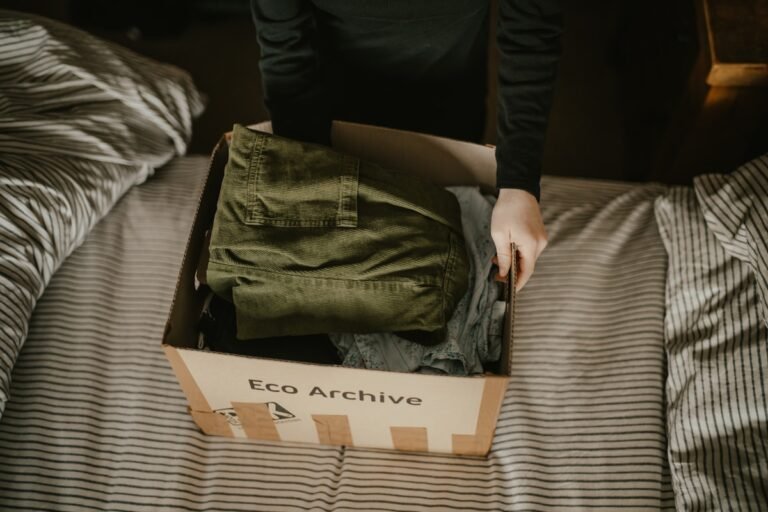
A Greener Grip on Safety: Introduction to Sustainable Anchors
Fall protection is often about heavy steel gear, complex fittings and a hefty carbon footprint. Yet the industry is shifting. We now see eco-conscious choices seep into every crevice of safety: from harness fabrics to plastic-free buckles. At the heart of it all lies the need for Reusable personal accessories that are strong, reliable and gentle on the planet.
In this article you’ll learn why metal anchors dominate today’s job sites, the hidden environmental costs involved, and how truly sustainable designs can change the game. We’ll contrast a leading competitor’s solution with an emerging eco-centric approach, then explore practical steps to integrate greener fall protection accessories. Ready to transform your worksite? Reusable personal accessories: Eco-Transformation: Aegle Sriphal’s Sustainable Product Initiative
Why Traditional Anchors Fall Short
Concrete anchors, scaffold hooks and steel lanyards have served construction and maintenance teams for decades. Take, for example, the 1772 Reusable Concrete Hole Anchor from a well-known supplier. It boasts:
- A minimum breaking strength of 5 000 lbs.
- Quick-install compression in a ¾″ concrete hole.
- 360° rotation plus 180° pivot to minimise side-loading.
Those specs inspire confidence. Yet consider the lifecycle:
- Mining and smelting of high-strength steel.
- Transportation emissions across supply chains.
- Coating processes using solvent-based paints.
- Disposal or recycling challenges at end of life.
Even if you reuse the same anchor dozens of times, the hidden carbon and chemical footprint stays high. That’s the trade-off with most conventional fall protection gear.
Strengths and Limitations
Strengths:
– Proven durability under harsh conditions.
– Quick deployment and proven ANSI/OSHA compliance.
– Standardised sizing for universal harness systems.
Limitations:
– Heavy weight raises manual handling risks.
– High embodied carbon from steel production.
– Corrosion-resistant coatings can contain harmful chemicals.
– Recycling requires specialised facilities to separate alloys.
The Rise of Sustainable Anchors
The push for Reusable personal accessories doesn’t stop at water bottles and shopping bags. Safety gear is next in line. Imagine anchorage connectors built with recycled, low-carbon materials and zero-toxin coatings. Picture jute-composite straps or bamboo-reinforced anchor plates. Sounds futuristic? Aegle Sriphal’s eco-product initiative is turning those ideas into reality.
Key benefits of sustainable anchors:
- Lower embodied carbon: Natural fibres and recycled metals cut greenhouse gas emissions.
- Biodegradable or easily recyclable: At end of life, components return to nature or enter straightforward recycling streams.
- Lighter weight: Natural composites can reduce load pressure on workers.
- Community impact: Sourcing jute or bamboo supports local farmers and ethical production.
To stay ahead, businesses need to rethink every component of their fall protection system. That means swapping out steel-heavy connectors for greener alternatives—and ensuring they meet strict safety standards.
Aegle Sriphal’s Eco-Centric Approach
Aegle Sriphal is known for crafting eco-friendly goods—think plantable pencils, bamboo homeware and sturdy jute bags. Now, the brand is extending its sustainability ethos to the safety sector. While no one expects a pencil company to design anchors overnight, Aegle Sriphal’s research into natural fibres has uncovered surprising strength in jute and bamboo composites.
Here’s how they translate expertise from consumer goods to safety:
- 100% natural raw materials: Every product starts with renewable sources.
- Eco-friendly production: Water-based adhesives, natural dyes and zero solvent emissions.
- Community empowerment: Sourcing from small farms, fair wages and waste-minimisation.
- Innovative prototyping: Small-batch tests for tensile strength, durability and UV resistance.
By applying these principles, Aegle Sriphal is developing pilot projects for Reusable personal accessories such as jute-reinforced anchor straps. These prototypes mate with standard steel fittings, giving installers the reassurance of tried-and-tested metal parts plus the environmental edge of natural composites.
Second, they ensure compatibility. A jute-composite strap must integrate seamlessly with existing harness systems, self-retracting lifelines and guardrail attachments. Early field trials show promise:
- Weight reduction of 15% compared to all-steel straps.
- Comparable breaking strength (over 3 000 lbs) when combined with steel end-fittings.
- Fully recyclable strap component after de-mounting.
Their broader mission remains education. Aegle Sriphal offers webinars, in-person demos and printed guides on selecting and caring for sustainable fall protection gear. You can see how Reusable personal accessories fit into an overall eco-strategy, without sacrificing compliance or safety.
Practical Steps for Integrating Sustainable Accessories
Shifting to green fall protection takes planning. Here’s a roadmap:
Assess current kit
Inspect anchors, harnesses and tool bags. Identify the highest-impact swaps—those items with largest carbon footprints.Set performance benchmarks
Match or exceed ANSI and OSHA requirements. Check tensile strength, working load limits and fatigue resistance.Pilot sustainable enhancers
Introduce jute-composite anchor straps or bamboo-reinforced tool lanyards on a small crew. Track performance and user feedback.Train your team
Show staff how to install, inspect and store new eco-centric gear. Emphasise cleaning methods that avoid solvents—use mild, biodegradable soaps.Monitor and refine
Gather data on durability, maintenance costs and worker satisfaction. Iterate materials and design based on real-world insights.Scale up gradually
Roll out green accessories site by site. Share success stories to boost adoption across your network.
Using a compact, breathable jute tool bag from Aegle Sriphal can also streamline operations. It stores anchors, snaphooks and personal tools in one eco-friendly pouch, cutting down on plastic and reducing waste.
Explore sustainable living with our reusable personal accessories
Balancing Safety and Sustainability on Every Job Site
Safety professionals know there’s no room for compromise when lives are on the line. Yet environmental responsibility is non-negotiable in today’s climate. The ideal solution blends the best of both worlds: rigorous testing and low ecological impact. Here’s how to strike that balance:
- Standard compliance: Only adopt accessories that meet or exceed established standards.
- Lifecycle thinking: Evaluate raw material sourcing, manufacturing and end-of-life disposal.
- User experience: Choose gear that feels familiar—no extra training curves or exotic fittings.
- Supply chain transparency: Partner with suppliers who publish environmental data and social audits.
It’s not an overnight journey, but every swap—from steel anchors to jute-composite straps—adds up. Over time, your fall protection program becomes a testament to safety and stewardship.
Looking Ahead: The Future of Eco-Friendly Safety Gear
The industry is at a tipping point. As regulations tighten and corporate ESG goals become mandatory, sustainable fall protection isn’t a luxury—it’s a necessity. Expect to see:
- Advanced bio-composites with enhanced fire and UV resistance.
- Modular anchor systems that mix recycled metals with plant-based polymers.
- Smart sensors embedded in natural-fibre straps, tracking usage and maintenance cycles.
Aegle Sriphal’s ongoing research into natural materials positions them to pioneer these breakthroughs. They’ve already proven their chops with everyday items like plantable pencils. Now, their eco-innovation lab is turning to fall protection, designing Reusable personal accessories that support both worker safety and environmental health.
Conclusion
Moving from heavy steel anchors to green composites may feel bold. But it’s the next logical step in sustainable construction and maintenance. You can keep your crew safe, slash your carbon footprint and champion responsible sourcing—all at once.
Embrace this eco-transformation. Start small with pilot straps, jute tool bags and bamboo-reinforced lanyards. Then scale up as confidence—and positive results—grow.
Safety shouldn’t cost the planet. With Reusable personal accessories from Aegle Sriphal, you get industry-grade performance plus the peace of mind that comes from genuine sustainability.
Join the sustainable accessory movement with our reusable personal accessories