Why We Need Better Cosmetic Packaging
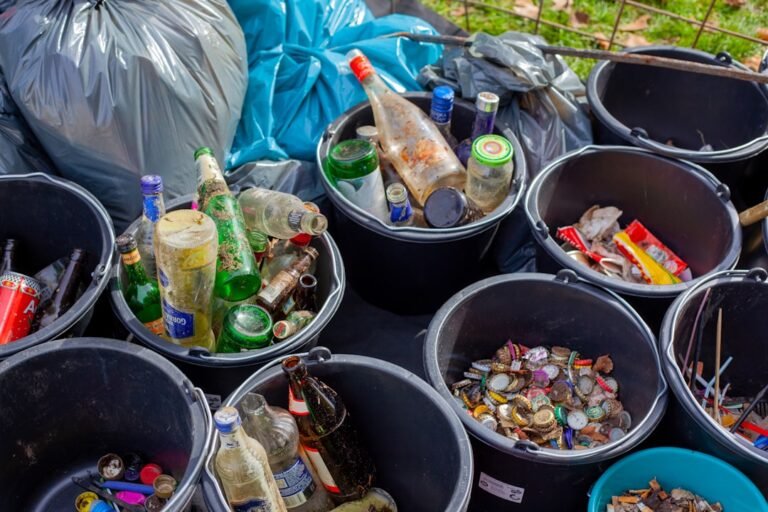
We all know the drill. You finish your favourite lotion. You toss the empty plastic bottle. Days later: it’s still there. Months later: part of the ocean. Ouch.
The Plastic Problem
Plastic bottles for shampoos, creams and serums are cheap. They’re everywhere. But their environmental toll is massive:
- Over 8 million tonnes of plastic waste enter oceans each year.
- Only 9% of plastic gets recycled globally.
- Single-use plastic sticks around for centuries.
Not exactly the legacy we want.
Looking Beyond Plastic
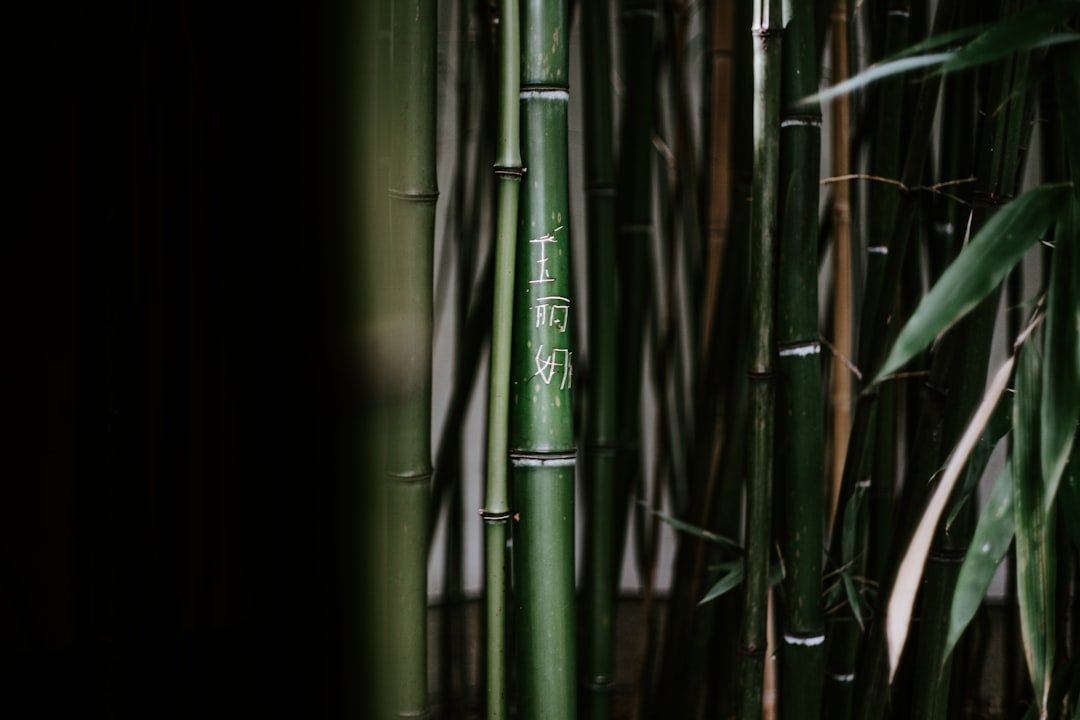
Cue dramatic drumroll. Enter bamboo cosmetic packaging. Think bamboo shampoo and lotion bottles, cork-topped serums, reusable jars. It’s a fresh way to ditch plastic.
Bamboo Cosmetic Packaging: The Basics
You’ve heard of bamboo flooring, bamboo furniture and bamboo straws. Now imagine that same fast-growing grass turned into sleek containers for your creams and oils.
What is Bamboo Cosmetic Packaging?
Bamboo cosmetic packaging uses bamboo fibres or solid bamboo to craft bottles, pumps and caps. Sometimes it’s a bamboo sleeve around a glass inner. Other times it’s a 100% bamboo body. The end result? A bottle that looks earthy and feels sturdy.
Key Benefits
Bamboo cosmetic packaging ticks a lot of boxes:
- Renewable: Bamboo can grow up to 1 metre a day. No depleting forests here.
- Biodegradable: At the end of its life, bamboo breaks down naturally.
- Lightweight: Easier to ship than heavy glass. Less fuel.
- Strong: Bamboo is tougher than many hardwoods.
- Aesthetic: That natural grain. Instant shelf appeal.
You get eco-chic design without compromise.
Cork: Another Grass-Root Option
Don’t forget cork. That bouncy bark from cork oak trees has been sealing wine bottles for centuries. Today, it’s branching out as a cosmecutical cap and even full containers.
Cork vs Bamboo
- Texture: Cork is spongy. Bamboo is smooth.
- Source: Cork oak trees (harvest every 9 years). Bamboo (harvest every 3–5 years).
- Sustainability: Both are certified by forest stewardship councils when responsibly sourced.
- Design: Cork works best for caps and accents. Bamboo can be the entire vessel.
Mix and match. A bamboo bottle plus a cork cap = wow.
Glass vs Bamboo: A Fair Comparison
Glass bottles—like the PA1005 50ml perfume bottle from Hua Glass—are common in personal care. Let’s be real: glass has its moments.
Strengths of glass:
– Inert. No leaching.
– Recyclable. Melt it down, rebottle.
– Premium feel. Heavy, satisfying.
But glass also has downsides:
– Fragile. One slip, one smash.
– Energy-intensive to produce.
– Heavy. Higher shipping footprint.
– Cold look. Lacks that organic vibe.
Bamboo cosmetic packaging solves many of those pain points:
- Drop-resistant: Bamboo flexes, glass shatters.
- Lower carbon: Bamboo regrows; glass needs kilns.
- Tactile warmth: Natural grain vs. chilly smoothness.
- Customisable: Laser engrave logos or messages.
Glass is great… until you crack it. Bamboo keeps going.
Designing Stylish, Sustainable Bottles
Alright, you’re sold on bamboo cosmetic packaging. But how do you make a bottle that’s both functional and beautiful?
Form Meets Function
- Airless pumps: Preserve serums longer. Pair the pump with a bamboo sleeve.
- Refillable jars: Inner glass or stainless steel, outer bamboo shell.
- Dropper tops: Perfect for essential oils. Cork accents add grip.
- Labels vs. Engraving: Skip plastic stickers—laser-etch logos right into the bamboo.
Real-World Inspiration
Imagine a spa with bamboo lotion bottles lined up like bamboo shoots. Or a boutique brand serving facial oil in cork-topped bamboo vials. It screams “natural” and “luxury” in one breath.
Aegle Sriphal’s Eco-Friendly Edge
You might ask: what makes Aegle Sriphal special? We’re not just another eco brand.
- 100% natural materials. No sneaky plastics.
- Innovative designs that blend style and sustainability.
- Maggie’s AutoBlog—our AI content tool—helps us share tips on bamboo cosmetic packaging effortlessly.
- Strong community engagement. We love hearing your ideas.
Plus, we offer plantable pencils and bamboo homeware that complement your beauty line. Think beyond bottles: a truly green lifestyle.
Implementing Eco-Friendly Packaging for Your Brand
You’re convinced. Here’s how to get started:
1. Source Responsibly
- Look for FSC-certified bamboo and cork.
- Ask suppliers about their carbon footprint.
- Choose local mills when possible.
2. Prototype and Test
- Order small batches of bamboo cosmetic packaging.
- Check seals (nobody wants a leaky lotion bottle).
- Test drop resistance and shelf life.
3. Brand the Packaging
- Laser engraving lasts longer than labels.
- Use vegetable-based inks for printing.
- Keep designs minimal to highlight the natural grain.
4. Educate Consumers
- Add a small card: “Why bamboo?”.
- Share a QR code linking to a video of the bamboo harvesting process.
- Encourage refills to reduce waste further.
Future Trends in Sustainable Packaging
The journey doesn’t end with bamboo and cork. Keep an eye on:
- Mycelium: Mushroom-based foams for protective packaging.
- Algae-based plastics: Biodegradable and sea-safe.
- Smart packaging: Reusable bottles with NFC tags for refill tracking.
Stay curious. The eco-scene evolves fast.
Final Thoughts
Switching to bamboo cosmetic packaging isn’t a fad. It’s a statement. You’re telling your customers you care about the planet—and you care about quality. From shampoo to serum, cork to bamboo, every little choice adds up.
Ready to join the green revolution? Let’s do this.