Why Mindful Parenting Starts with Everyday Materials
Bringing a new baby home changes everything, especially your dustbin. Within weeks, you notice bags filling up with single-use wipes, plastic wrappers, synthetic nappies, and disposable breast pads. It feels relentless. Modern parenting often pushes convenience at the cost of the environment, surrounding infants with petroleum-based synthetic fabrics and microplastics right when their skin is most delicate. Making a quiet shift toward conscious living does not mean flipping your entire life upside down overnight; it begins with rethinking the raw textures touching your child daily.
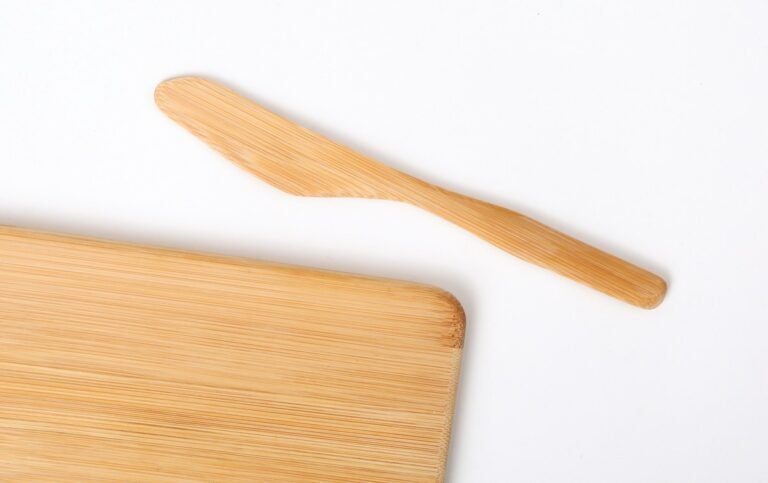
By turning to natural essentials and replacing throwaway items with thoughtful alternatives, you protect both your child’s delicate barrier and the broader world they inherit. Embracing durable bamboo reusable products helps eliminate persistent household rubbish while keeping harsh synthetics far away from sensitive skin. To explore how thoughtful design transforms home routines, check out the Eco-Transformation: Aegle Sriphal’s Sustainable Product Initiative, which champions 100% natural materials across everyday family life.
The Problem with the Modern Baby Nursery
Walk through any mainstream baby supply aisle. What do you see?
Row upon row of sealed plastic containers. Synthetic polyester blankets marketed as soft. Bleached paper pads packed with chemical absorbents, synthetic fragrances, and moisture barriers that do not breathe.
These items solve an immediate headache, sure. But they create three lingering problems:
- Microplastic shedding: Synthetic fibres shed microscopic plastics during every wash and tumble cycle, contaminating household air and waterways.
- Skin irritation: Newborn skin and postpartum breasts are exceptionally prone to chafing. Trapping moisture against sensitive skin using non-breathable plastic liners leads to soreness and rashes.
- Massive recurring waste: Single-use items are purchased, used for two hours, and discarded into landfills where they sit for centuries.
When you look at this setup, it becomes obvious: our daily domestic convenience is quietly running on an unsustainable model.
Rethinking Personal Care: Reusable Nursing Essentials
Consider something as routine as managing postpartum leaks. New mothers deal with tender, sore skin while feeding around the clock. Mainstream disposable nursing pads rely on bleached pulp, synthetic adhesives, and plastic backings. They trap heat. They rustle under clothing. Worst of all, they end up in the bin by the dozen each week.
Niche personal care brands like Lelolo have popularised reusable cloth nursing pads made from bamboo and organic cotton layers. They offer soft textures, contoured leak protection, and washable convenience. Lelolo proved that parents actively want durable, washable alternatives instead of throwing disposable pads away every single day.
Yet, single-product fixes only tackle one corner of the nursery. When we look at sustainable parenting, focusing solely on individual personal care accessories misses the bigger picture.
Why Single-Category Fixes Fall Short
A washable nursing pad saves paper, but what about the rest of the household? If your kitchen, nursery surfaces, dining table, and children’s activity corners are still dominated by brittle plastics, the ecological footprint stays stubbornly high.
Parents end up juggling ten different niche brands just to eliminate plastic from five routine tasks. What modern families actually need is a holistic approach to sustainable materials, moving from postpartum personal care into childhood learning and home living.
The Aegle Sriphal Approach: Beyond Single-Use Habits
This is where Aegle Sriphal takes the conversation further. Rather than treating eco-friendly personal care as an isolated purchase, the focus expands into a comprehensive lifestyle shift rooted in renewable forestry and agriculture.
Instead of stopping at baby accessories, the mission centres on integrating pure bamboo and jute into the everyday fabric of daily routines. By combining innovative design with zero-waste principles, households can replace flimsy consumer plastics with tactile, biodegradable alternatives.
Key foundations of this approach include:
- 100% Natural Materials: Avoiding hidden plastic blends or synthetic binders that prevent clean composting.
- Low-Impact Manufacturing: Ensuring that creating the alternative does not consume more dirty energy than the item it replaces.
- Closed-Loop Lifecycles: Designing goods that return safely to the soil rather than persisting in regional landfills.
- Interactive Sustainability: Offering plantable products that turn waste into hands-on environmental lessons for growing children.
When you invest in well-crafted bamboo reusable products, you establish a continuous household culture where materials are respected, cared for, and reused over years. You can discover genuine daily solutions by browsing bamboo reusable products designed by Aegle Sriphal to bring renewable natural fibres into your family spaces.
Why Bamboo Outperforms Synthetic Fabrics and Wood
Why does bamboo sit at the heart of this eco-transformation?
Ecologically speaking, bamboo is unmatched among raw materials. It is technically a fast-growing grass, not a tree. Some species grow up to a metre in twenty-four hours without requiring chemical pesticides, synthetic fertilisers, or massive artificial irrigation systems.
Here is how bamboo stacks up against standard household alternatives:
1. Superior Natural Absorbency and Softness
Unlike scratchy synthetics or chemically treated bleached cotton, natural bamboo fibres possess a smooth, round structure. When woven into textiles, bamboo feels silk-soft against chafed, sensitive skin. It naturally wicks moisture away from the body without needing chemical treatments, making it ideal for nursing pads, washcloths, and nursery wipes.
2. Built-in Hygiene
Bamboo contains an innate bio-agent commonly referred to as “bamboo kun,” which naturally resists pests and fungal growth in nature. While finished fabrics must still be laundered properly, the fibre itself resists sour odours far better than synthetic polyester blends that hold onto sweat and milk fats.
3. Rapid Soil Renewal
Harvesting bamboo does not kill the plant. The root system remains intact, holding topsoil together, preventing land erosion, and immediately sending up fresh shoots. Clear-cutting timber forests for wooden homeware disrupts entire ecosystems; harvesting bamboo merely prunes a rapidly renewing resource.
Practical Steps to Transition Your Nursery to Natural Materials
Transforming your home into a natural, low-waste sanctuary does not require discarding everything you currently own. Tossing functional plastic items into the bin simply generates immediate trash.
Instead, practice mindful replacement as things wear out:
- Step 1: Replace Daily Contact Fibres. Start where materials touch skin. Swap disposable wet wipes for washable bamboo washcloths. Trade disposable nursing pads for contoured, washable bamboo rounds that slip smoothly into nursing bras.
- Step 2: Rethink Dining and Tableware. Once solids begin, skip petroleum-derived plastic bowls, suction plates, and nylon spoons. Opt for sturdy bamboo homeware and natural wood utensils that withstand drops without leaching synthetic chemicals into warm food.
- Step 3: Introduce Plantable Learning Tools. As children grow, stationery becomes a steady source of plastic pens and synthetic markers. Switching to plantable pencils embedded with seeds allows kids to put worn stubs into soil, watching them sprout into herbs or flowers.
- Step 4: Shift Storage to Jute and Woven Fibres. Plastic toy bins crack easily and attract dust through static cling. Sturdy woven jute baskets handle heavy toys, breathe naturally, and add warm, organic textures to any room.
Community, Education, and the Next Generation
Children rarely learn environmental care through lectures; they learn by watching the physical materials adults value around the house. When a child sees cloth being washed and line-dried, handles wooden tableware, and plants their drawing pencils in balcony pots, sustainability becomes their baseline reality. It is simply how the home works.
Aegle Sriphal focuses heavily on this educational dynamic across India and South Asia, working directly with schools, community groups, and local organisations. Demonstrating how bamboo and jute replace single-use disposables helps bridge the gap between abstract climate worries and tangible daily habits.
Making conscious parenting choices creates ripples. By rejecting the endless churn of disposable paper and petroleum-based plastics, you vote for cleaner local waterways, reduce community landfill burdens, and provide your family with safe, durable home goods.
If you are ready to remove unnecessary plastics from your nursery, kitchen, and living areas, explore mindful collections built around renewable materials. Discover how simple, beautiful, and durable natural living can be by visiting the Aegle Sriphal conscious living platform and begin your family’s personal eco-transformation today.