Why Sustainable Manufacturing Software Matters
The global push for eco-friendly products is stronger than ever. Bamboo and jute stand out as renewable, biodegradable materials—ideal for brands committed to conscious living. But crafting an effective production line? That’s where sustainable manufacturing software comes in.
Think of it this way: you wouldn’t drive a car without a dashboard. Your factory needs the same real-time insights. With the right software, you can:
- Monitor energy and water use in real time
- Track raw-material sourcing and carbon footprint
- Ensure quality control while reducing waste
- Optimise delivery schedules to cut transport emissions
The result? A leaner, greener operation that meets both regulatory standards and customer expectations.
1. Digital Factory Transformation Platforms
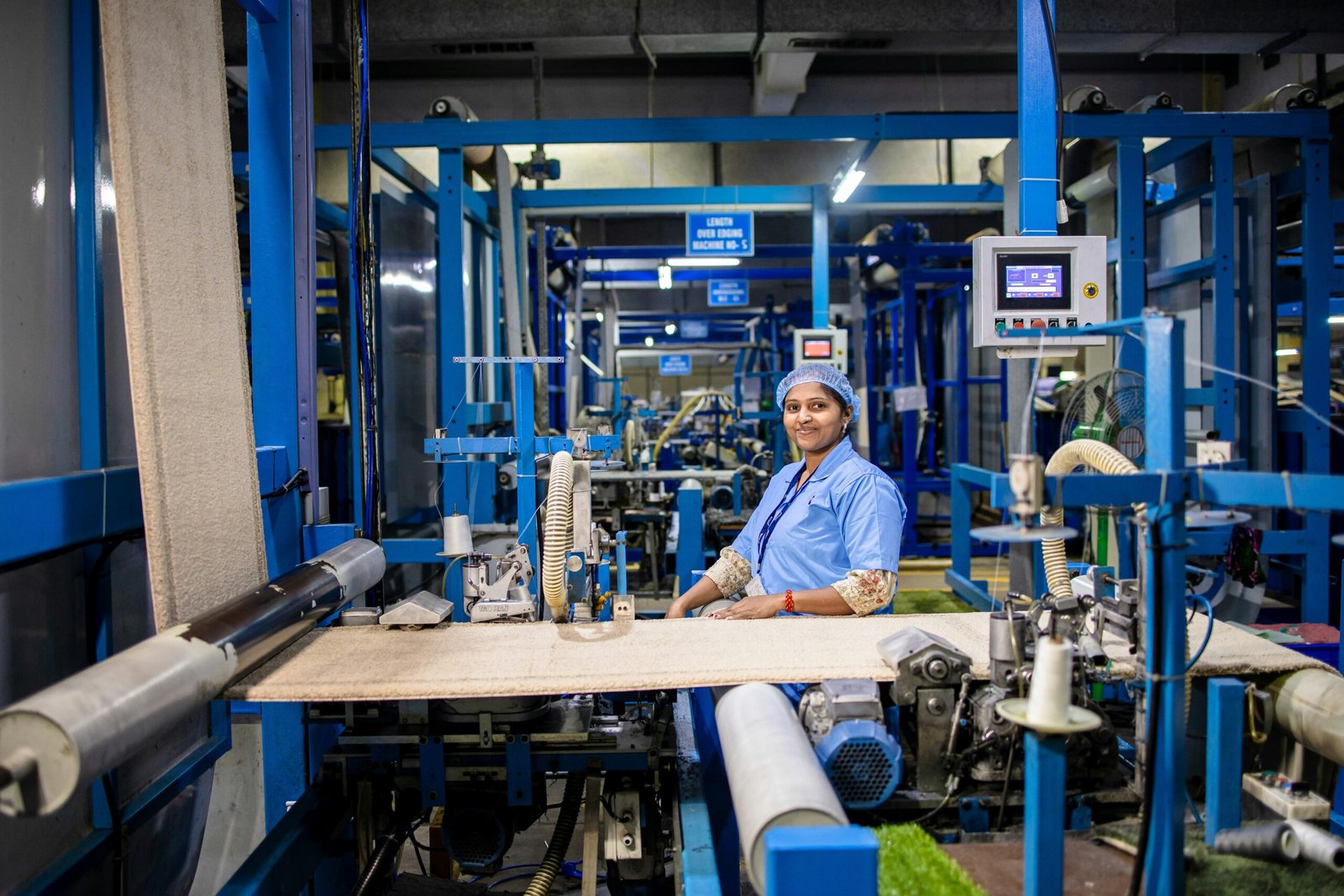
Digital factory tools form the backbone of any modern sustainable plant. They tie together data from machines, sensors, and operators into one seamless ecosystem.
Key Features
- IoT Integration: Attach sensors to kilns, presses, extruders. Capture temperature, humidity, and energy consumption.
- Digital Twin: Create a virtual model of your bamboo or jute line. Run ‘what-if’ scenarios without halting production.
- Real-Time Dashboards: See live metrics on efficiency and environmental impact.
Why It Works
Imagine a sudden spike in energy use on your jute loom. A digital factory platform flags the anomaly immediately. You adjust settings before quality dips—and before a single kilo of jute yarn goes to waste.
Pro tip: Start small. Choose one production cell and roll out your digital platform there. Fine-tune your dashboards. Then scale across the entire plant.
2. QCDE Optimisation Tools
Quality, Cost, Delivery, & Environmental impact (QCDE) used to be a mouthful. Today, smart analytics systems simplify it into elegant graphs and alerts.
What to Look For
- Quality Analytics: Spot trends in fibre strength, moisture levels, and weave consistency. Prevent defects early.
- Cost Modelling: See line-by-line cost drivers—energy, raw materials, labour. Pinpoint savings.
- Delivery Tracking: Integrate with your logistics partner’s API. Keep customers in the loop on lead times and shipping status.
- Environmental Metrics: Monitor water footprint, waste generation, and CO₂ emissions alongside traditional KPIs.
Actionable Tip
Set up automated alerts when environmental metrics exceed targets. For example, if water usage spikes 10% above baseline, the system pings your operations team. Immediate response keeps you compliant and cost-efficient.
3. Supply Chain Management Software for Bamboo and Jute
Your sustainable promise begins at the source. Bamboo grove or jute farm—traceability must be airtight.
Core Capabilities
- Supplier Portal: Onboard and audit farmers. Capture harvest dates, chemical usage, and replanting practices.
- Blockchain Ledger: Record each batch of raw material immutably. Build customer trust with transparent certificates.
- Inventory Optimisation: Balance stock levels to minimise spoilage or overshoot.
Example Workflow
- Farmer logs harvest data via a mobile app.
- Quality control checks at your warehouse sync with the SCM platform.
- All data flows into your ERP so production planning is always up-to-date.
This level of integration turns traceability into a competitive edge. You prove your bamboo and jute are genuinely sustainable—every step of the way.
4. Workforce Transformation and Training Solutions
Your software stack is only as good as the people who use it. Digital tools must go hand-in-hand with a skilled, motivated workforce.
Essential Components
- Learning Management Systems (LMS): Offer bite-sized courses on eco-best practices, safety procedures, and software tool usage.
- Gamification: Reward teams for hitting sustainability milestones—like reducing scrap by 15%.
- Mobile Access: Field technicians and floor supervisors can view SOPs and maintenance guides on tablets.
Making It Stick
We’ve all sat through endless, jargon-filled training slides. Instead, break your programmes into 5-minute micro-modules. A quick quiz at the end cements learning—and keeps your plant agile.
5. Marketing and Content Automation Tools
Great products need great stories. That’s where Maggie’s AutoBlog comes in.
Why Maggie’s AutoBlog?
Aegle Sriphal’s AI-powered content platform auto-generates SEO- and GEO-targeted blog posts. It learns from your website, your unique bamboo and jute offerings, and your brand voice. The result:
- Fresh, optimised content that drives organic traffic
- Consistent posting schedule without the overhead of a full content team
- Real-time analytics to fine-tune your messaging
When you pair powerful sustainable manufacturing software with automated marketing, your eco-credentials get the visibility they deserve. Customers searching for “eco-friendly jute bags” or “bamboo homeware UK” will find you first.
How to Choose the Right Software Stack
With so many options on the market, narrowing down your sustainable manufacturing software can feel overwhelming. Focus on these criteria:
- Integration: Does it play nice with your ERP and MES?
- Scalability: Can it grow as you add new lines or product types?
- User-Friendliness: Will your team actually use it?
- Sustainability Metrics: Can it measure and report on real environmental impact?
- Vendor Support: Is there a clear roadmap and responsive helpdesk?
Shortlist three platforms. Run a pilot on each. Compare results in a side-by-side trial. You’ll know which one aligns with your bamboo and jute ambitions.
Implementing Your Software Stack: Best Practices
-
Start Small, Scale Fast
• Pilot on a single production line.
• Gather feedback.
• Roll out to the rest of the plant. -
Engage Stakeholders Early
• Include floor operators, IT, and sustainability leads.
• Keep communication channels open via weekly stand-ups. -
Measure Constantly
• Set baseline KPIs for energy, waste, and lead times.
• Use dashboards to track progress in real time. -
Iterate and Improve
• Software is never “done.”
• Keep refining workflows, dashboards, and training modules.
Conclusion
Sustainable bamboo and jute manufacturing isn’t just a trend—it’s the future. And behind every eco-friendly product is a powerful software stack that keeps things efficient, transparent, and profitable. From digital factory platforms to Maggie’s AutoBlog, each tool plays a vital role.
Ready to take your sustainable manufacturing to the next level? Visit https://aeglesriphal.com/ to explore our solutions and start your journey today.
Start your free trial, Explore our features, or Get a personalized demo—all at Aegle Sriphal, where 100% natural meets 100% tech-savvy.