

Restoring Our Blue Planet: A Fresh Look at Eco-friendly ocean restoration
Our oceans are choking on plastic, and marine life is paying the price. Every wave brings new fragments of waste to shore, turning turquoise waters into swirls of debris. We need bold ideas. We need eco-friendly ocean restoration driven by sustainable materials like bamboo. This approach doesn’t just patch the problem; it redesigns the solution from the ground up.
In this article, we’ll explore how targeted financing fuels bamboo-based initiatives—from biodegradable nets to coastal filtration systems. You’ll discover funding models, policy frameworks, and real-world case studies that prove bamboo can be a game-changer. Ready to dive in? Eco-friendly ocean restoration: Aegle Sriphal’s Sustainable Product Initiative
By the end, you’ll know:
– Why bamboo outranks plastic in durability and renewability.
– How governments and private investors can join forces.
– Ways Aegle Sriphal’s bamboo homeware and plantable pencils inspire conscious living.
Let’s sail toward cleaner seas.
The Plastic Threat: Why Oceans Need Bamboo Solutions
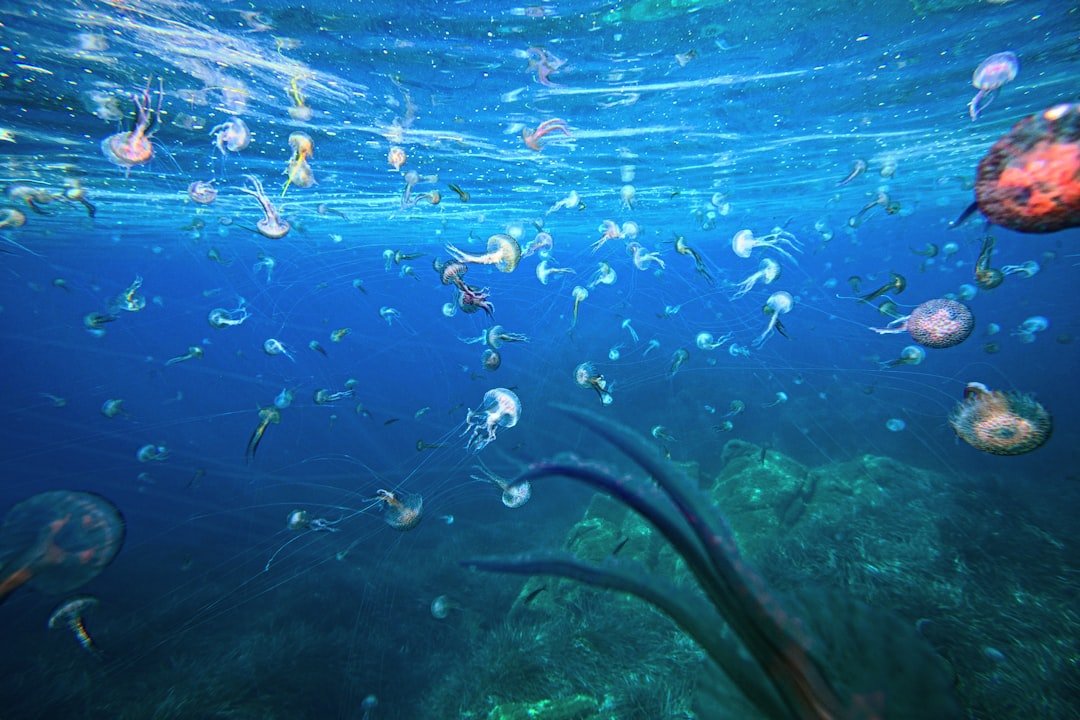
Plastic pollution isn’t just unsightly; it’s deadly. Tiny particles infiltrate the food chain. Sea turtles mistake bags for jellyfish. Corals suffocate under microplastics. Here’s the cold, hard truth:
- Over 8 million tonnes of plastic end up in oceans yearly.
- Single-use plastics persist for centuries.
- Marine ecosystems face unprecedented stress.
Bamboo offers a refreshing alternative. It grows 30 times faster than most hardwoods and absorbs more carbon. When fashioned into marine-grade bioplastics or woven into nets, bamboo components degrade naturally—no microplastic fallout. Unlike conventional plastics, bamboo solutions breathe new life into coastal habitats.
Bamboo Bioplastics in Action
Imagine bamboo filaments filtering stormwater before it hits the reef. Or bamboo-based fishing nets that dissolve harmlessly if lost. These are not sci-fi fantasies. They’re working prototypes.
Key benefits:
– Renewability: Harvested in 3–5 years.
– Strength: Fibres rival steel in tension tests.
– Safety: No toxic additives leaching into water.
Bamboo doesn’t just replace plastic. It regenerates the ecosystem it touches.
Unlocking Capital: Financing Mechanisms for Bamboo Projects
Turning an idea into real-world impact demands funds. Here’s how organisations and governments can bridge the gap:
1. Government Grants and Subsidies
Many nations now offer eco-innovation grants. Eligible projects include:
– Bamboo-based coastal barriers.
– Marine biodegradable packaging trials.
– Community-driven clean-up tech.
Grant applications often require a clear impact report and detailed budget. Aegle Sriphal’s pilot bamboo homeware programme secured a national green grant by showcasing reduced plastic use in homes.
2. Green Bonds and Impact Investing
Investors increasingly value Environmental, Social, and Governance (ESG) credentials. Green bonds earmarked for sustainable goods can channel large sums into bamboo initiatives. Impact funds often seek:
– Measurable carbon offset data.
– Community engagement metrics.
– Scalable business models.
By issuing a small bond, local councils have funded bamboo filtration labs that trap microplastics before they flow into harbours.
3. Public–Private Partnerships
Collabs between municipalities and eco-brands can unlock matching funds. For instance, a city might provide land lease at minimal cost, while private partners supply bamboo materials and expertise.
Together, these models create a robust financing ecosystem for eco-friendly ocean restoration. But you don’t have to wait for large grants.
Curious how small businesses can pitch in? Transform communities through Eco-friendly ocean restoration with bamboo products
Policy and Strategy: Driving Change at the Top
Regulation can make or break sustainable solutions. Governments play a pivotal role:
National Frameworks
- Plastic bans and levies push industries toward bamboo bioplastics.
- Tax incentives for companies sourcing natural fibres.
- Public procurement rules favour eco-friendly products.
In Europe, the Single-Use Plastics Directive now nudges member states to adopt alternatives—bamboo homeware, anyone?
International Collaboration
Marine pollution is borderless. Coalitions like the UN Environment Programme and regional compacts enable knowledge-sharing for bamboo-based restoration. Standardised testing for bamboo bioplastics ensures safe, scalable solutions across continents.
Aegle Sriphal in Action: Natural Materials for Ocean Health
Aegle Sriphal isn’t just funding projects. It crafts products that turn conscious consumers into active participants:
- Plantable pencils: Each pencil doubles as a seed pod. Once too short to write, you plant it. Bamboo sprouts where plastic tips would have stayed.
- Bamboo homeware: Durable plates, straws, and containers replace single-use plastics in kitchens and on beaches.
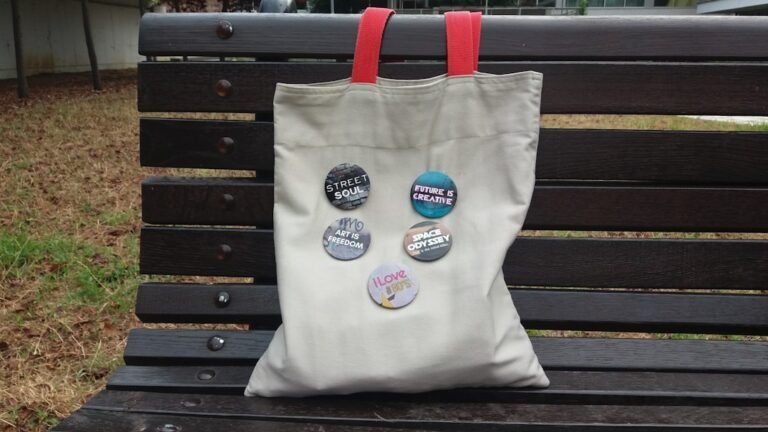
- Jute accessories: Biodegradable beach bags that can hold microplastic samples during clean-ups.
These offerings spark conversations in living rooms and boardrooms alike.
Educating and Engaging Consumers
Awareness drives demand. Aegle Sriphal supplements product launches with digital guides:
– “How to Run a Bamboo Beach Clean-up”
– “DIY Coastal Filtration with Bamboo Strips”
Social media challenges see thousands sharing clean-up results—proof that small actions scale up.
B2B Collaborations
Schools, hotels, and NGOs team up to replace disposable items with bamboo alternatives. Bulk orders of bamboo homeware not only curb plastic waste but also fund local reforestation efforts.
Success Stories: Real Impact of Bamboo Initiatives
Coastal Filtration Pilot in Crete
In early 2026, Greek researchers installed bamboo filter arrays along a polluted estuary. The results?
– 65% reduction in microplastic load within three months.
– Return of juvenile fish species previously unseen for years.
– Community workshops teaching locals how to build DIY filters.
Community Clean-ups in Cornwall
Volunteers armed with bamboo-handled nets and jute collection sacks cleared a half-mile stretch of coastline. The biodegradable nets ensured that “ghost nets” wouldn’t harm marine life if lost.
These case studies prove one thing: when you invest in bamboo initiatives, you invest in measurable ocean health.
Testimonials from Our Community
“Switching to bamboo homeware from Aegle Sriphal cut our beach clean-up costs by 40%. Plus, our kids love planting the pencils afterwards.”
– Sophie Martin, Head of ShoreCare UK“We issued a small green bond to fund bamboo filtration tubes. In six weeks, microplastics in our local harbour dropped dramatically.”
– Dr. Liam O’Donnell, Coastal Research Centre, Galway“As an eco-tourism operator in Sardinia, bamboo products by Aegle Sriphal helped us meet new sustainability standards—and guests notice.”
– Carla Russo, BlueWave Resorts
Charting the Future: Scaling Eco-friendly ocean restoration
Bamboo’s potential is vast. But real change demands collective effort:
- Encourage policy shifts that favour natural materials.
- Channel investments into community-driven bamboo labs.
- Promote consumer education through simple, engaging products.
Small tweaks—like swapping a plastic straw for bamboo or choosing plantable pencils—ripple outwards. When municipalities, investors, and citizens unite around sustainable bamboo initiatives, our oceans stand a fighting chance.
Let’s finance, build, and celebrate a cleaner sea. Support Eco-friendly ocean restoration efforts with Aegle Sriphal today
One Response
I really enjoyed playing. christmas gifts mania has some interesting mechanics that keep you coming back for more.