Bamboo & Jute: The Natural Packaging Champions
Zero waste packaging means materials that are renewable, reusable or fully compostable at home. Bamboo and jute tick all the boxes:
Bamboo Packaging
- Fast-growing grass: regenerates without fertilisers.
- Durable yet lightweight.
- Compostable in home gardens or industrial facilities.
- Elegant aesthetic that appeals to conscious consumers.
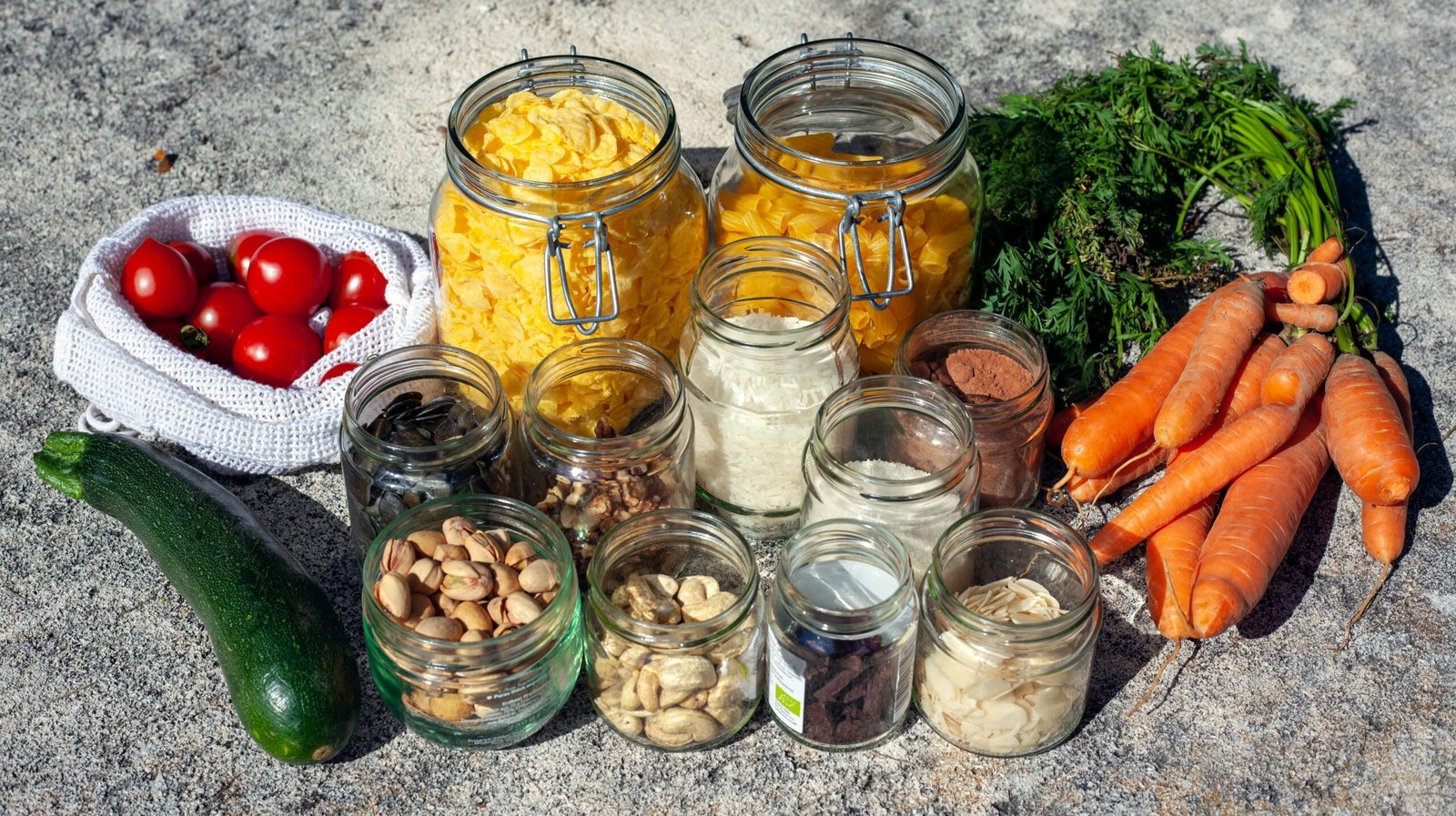
Example: Aegle Sriphal’s Bamboo Food Storage Jars
– Store grains, spices or snacks.
– Durable lids crafted from bamboo pulp.
– Easily washed and reused or tossed into compost.
Jute Wrapping & Tags
- Strong, biodegradable fibre from the Corchorus plant.
- Perfect for gift bags, accessory packaging.
- Plantable tags with embedded seeds—grow herbs after use.
Example: Aegle Sriphal’s Jute Gift Bag
– Pre-printed with eco tips.
– Reusable drawstring design.
– Tag doubles as a seed bomb: pop it in soil and watch basil sprout.
Practical Tips to Adopt Zero Waste Packaging
Making the switch can feel daunting. Here’s how to start:
-
Audit Your Current Packaging
– List all materials: plastic wrap, bubble mailers, twist ties.
– Identify single-use plastics you can replace immediately. -
Choose Natural Alternatives
– Bamboo jars for bulk goods.
– Jute bags for shipping small items.
– Glass containers for liquids. -
Plan End-of-Life
– Label packaging with composting or reuse instructions.
– Partner with local compost centres.
– Encourage customers to return or refill. -
Educate & Engage
– Share videos or blog posts on your zero waste journey.
– Offer discounts for package returns or refills.
– Highlight the compostable nature of your zero waste packaging. -
Measure Impact
– Track reduction in plastic waste weight.
– Gather customer feedback on packaging usability.
– Use tools like Aegle Sriphal’s Maggie’s AutoBlog to share results and drive engagement.
Going Beyond Recycling: Building a Sustainable Brand
Recycling is vital, but it only addresses waste after it’s created. To lead on sustainability:
- Design Out Waste: Start with zero waste packaging.
- Use Natural Materials: Bamboo, jute, glass—no petrochemicals.
- Engage Your Community: Teach composting workshops.
- Collaborate: Team up with schools, cafés and co-ops to spread the word.
Aegle Sriphal’s 100% natural materials and plantable products aren’t just clever marketing. They’re a commitment to conscious living. Every jar, bag and tag tells a story of renewability.
“Switching from PLA bottles to bamboo jars cut our landfill waste by 90%. Our customers love the look—and the planet thanks us.”
—Aegle Sriphal Partner
Conclusion
The world needs a fresh approach to packaging. Bioplastics and recycled plastics have helped, but they still depend on complex recycling streams. Zero waste packaging made from bamboo and jute goes a step further: it eliminates waste at the source.
- Bamboo grows fast and composts cleanly.
- Jute is durable, reusable and plant-friendly.
- Aegle Sriphal’s products blend functionality with sustainability.
Ready to simplify recycling and truly embrace zero waste packaging? Explore our range of bamboo food storage jars, jute gift bags and plantable tags. Make the switch today—and lead your industry toward a greener tomorrow.
Call to Action:
Discover how easy zero waste packaging can be. Visit Aegle Sriphal to shop eco-friendly solutions: https://aeglesriphal.com/