SEO Meta Description: Explore how natural fibers are made through eco-friendly bamboo and jute production. Learn Aegle Sriphal’s sustainable sourcing and green manufacturing processes.
Introduction
Have you ever wondered how natural fibers are made? From the lush bamboo forests of Asia to the sprawling jute fields of India and Bangladesh, these fibres form the backbone of sustainable textiles and goods. In this blog, we’ll break down the step-by-step journey—from plant to product—of bamboo and jute. We’ll also show you how Aegle Sriphal ensures responsible sourcing, eco-friendly production, and innovative design to minimise environmental impact. Ready to discover the art and science behind these natural materials? Let’s dive in.
Natural Fiber Basics
Before tackling how natural fibers are made, let’s cover the essentials:
- Definition: Natural fibres come from plants or animals. Bamboo and jute are plant-based, cellulosic fibres.
- Types:
- Cellulosic: Hemp, cotton, bamboo, jute
- Protein: Wool, silk
- Properties:
- Biodegradable
- Breathable and moisture-wicking
- Low allergen risk
Knowing these basics helps us appreciate every step in the fibre-making process. It’s not just manufacturing—it’s a journey to greener living.
How Bamboo Fibres Are Made
When exploring how natural fibers are made, bamboo often steals the spotlight. Here’s the lowdown:
1. Harvesting and Selection
- Mature bamboo stems (3–5 years old) yield the strongest fibres.
- Selective cutting ensures forest regeneration and soil health.
2. Steam Treatment
- Harvested canes are steamed to soften the tough outer layer.
- This initial step reduces lignin content, making fibres easier to extract.
3. Mechanical or Chemical Pulping
- Mechanical: Crushing bamboo into pulp with rollers; eco-friendly but yields shorter fibres.
- Chemical (Viscose): Treating pulp with sodium hydroxide and carbon disulphide; yields fine, silky fibres but demands careful effluent management.
4. Spinning into Yarn
- The treated pulp is spun into long strands.
- Aegle Sriphal favours mechanical methods to cut chemical use by up to 70%.
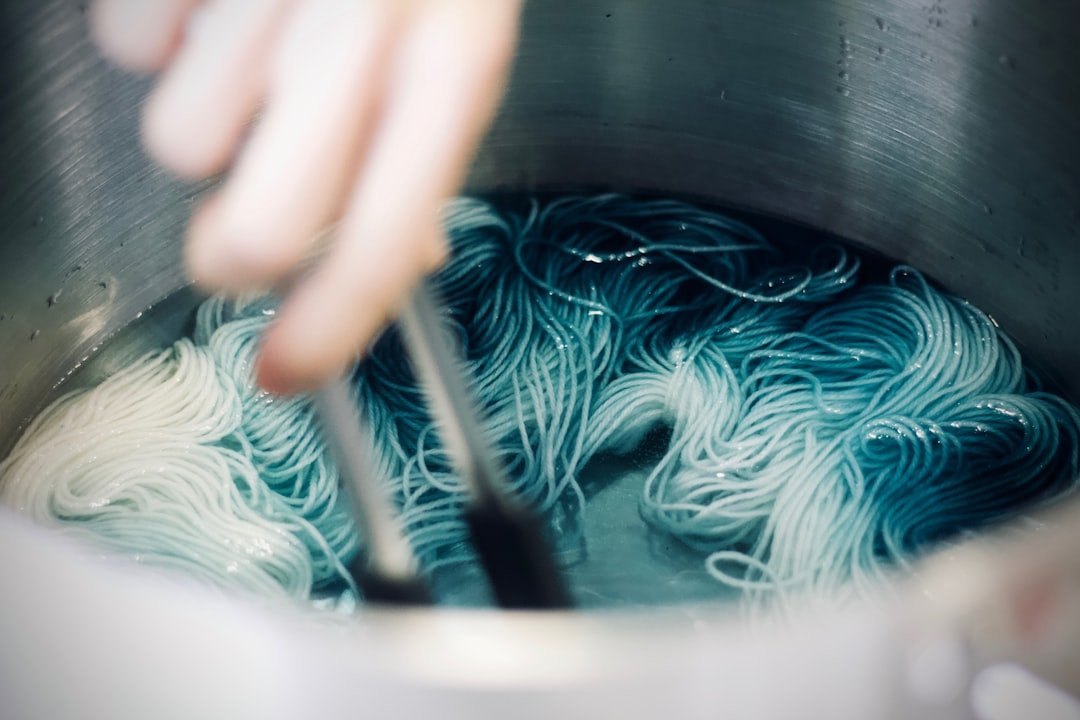
5. Dyeing and Finishing
- Natural dyes from plants minimise water pollution.
- Zero-waste dye baths recycle up to 90% of water.
This sustainable approach to how natural fibers are made means you get high-quality bamboo yarn with a reduced footprint.
How Jute Fibres Are Made
Jute offers another compelling example of how natural fibers are made on a large scale. Here’s the breakdown:
1. Cultivation and Harvest
- Jute thrives in humid, tropical climates.
- Plants are ready for harvest in 4–6 months after sowing.
2. Retting
- Bundled stalks are submerged in water for 10–14 days.
- Microbial action breaks down pectin, loosening fibres from the stem.
3. Stripping and Washing
- Workers strip fibres from woody stems by hand.
- Washed fibres ensure uniform quality and reduce impurities.
4. Drying
- Spread on raised platforms under the sun.
- Proper drying prevents mildew and preserves fibre strength.
5. Spinning and Weaving
- Dried fibres pass through spinning frames to create jute yarn.
- Yarn is woven into hessian cloth, sacks, and ropes.
By understanding how natural fibers are made, you can appreciate the labour-intensive, eco-conscious steps that go into every jute product.
Ensuring Sustainability at Every Step
It’s one thing to know how natural fibers are made; it’s another to ensure every stage respects people and planet. Aegle Sriphal adopts these measures:
- Responsible Sourcing: Partnering only with certified bamboo estates and fair-trade jute cooperatives.
- Chemical Minimisation: Preferring mechanical processing and natural dyes to keep waterways clean.
- Energy Efficiency: Running workshops on biomass fuel instead of fossil fuels.
- Water Recycling: Capturing and reusing 85% of wash and dye water.
These policies demonstrate 100% natural materials used in all products, supported by eco-friendly production methods that lower carbon footprints.
Aegle Sriphal’s Product Spotlight
Want to see these sustainable fibres in action? Check out some flagship offerings:
- Bamboo Homeware:
- Bowls, cutting boards and utensils crafted from responsibly sourced bamboo.
- Durable, lightweight, and naturally antibacterial.
- Plantable Pencils:
- Biodegradable pencils embedded with seeds.
- When stubs are too short, simply plant them and watch wildflowers grow!
- Jute Bags & Accessories:
- Stylish tote bags, pouches and placemats.
- Strong, washable and fully compostable.
Each product underscores Aegle Sriphal’s innovative designs that blend functionality with sustainability.
Benefits of Bamboo and Jute Products
When you choose products made from fibres understanding how natural fibers are made, you gain:
- Durability: Both bamboo and jute resist wear and tear.
- Eco-Friendliness: Biodegradability and low-impact growth.
- Health Advantages: Naturally hypoallergenic and free from synthetic chemicals.
- Versatility: From textiles to homeware, packaging to accessories.
Plus, by supporting brands like Aegle Sriphal, you invest in communities that champion strong engagement for eco-conscious choices.
Practical Tips for SMEs Embracing Natural Fibres
Small to medium enterprises can benefit hugely from knowing how natural fibers are made. Here’s how to get started:
-
Supplier Vetting
– Ask for certifications on sustainability and fair trade.
– Visit supplier farms or mills, even virtually. -
Product Testing
– Order sample batches of bamboo yarn or jute sacks.
– Test for strength, colourfastness, and user experience. -
Brand Storytelling
– Share your journey on how natural fibers are made.
– Use blog posts, behind-the-scenes videos, and social media. -
Community Workshops
– Host local events on fibre dyeing or weaving basics.
– Encourage environmental education—just like Aegle Sriphal does with its plantable products. -
Zero-Waste Practices
– Recycle offcuts into sample swatches or promotional items.
– Partner with local artisans to upcycle scraps.
These actionable steps will set you apart in the crowded eco-friendly market and strengthen your CSR credentials.
Conclusion
Curious about how natural fibers are made? Now you know the detailed journey of bamboo and jute—from plant growth and careful harvesting to eco-friendly processing and innovative end-use products. Sustainability isn’t a buzzword; it’s a practice woven into every thread. By choosing fibres crafted with care, you support fair livelihoods, healthy ecosystems, and a greener future.
Ready to make the switch? Discover Aegle Sriphal’s range of bamboo homeware, plantable pencils, and jute accessories. Embrace a conscious lifestyle and help usher in a more sustainable world.
Call to Action:
Visit https://aeglesriphal.com/ today to explore our eco-friendly collection and learn more about our commitment to sustainable production.