Meta Description: Discover sustainable plant-based fiber sources that boost gut health and eco-friendly nutrition. Learn how natural fibers support digestion and the planet.
Why Eco-Friendly Nutrition Matters
You’ve heard it before: “We are what we eat.” But what if our choices could help both our bodies and the earth? That’s the promise of eco-friendly nutrition. By opting for plant-based fibers, we’re not only supporting digestive health but also reducing waste, conserving water, and cutting down on carbon emissions.
Here’s the scoop:
- Gut health comes first. Natural fibers feed your microbiome.
- Planet health follows. Plants require fewer resources than animal farming.
- Holistic living. Eco-friendly nutrition ties together wellness and sustainability.
“When you choose plant-based fibers, you’re making a choice for your future—and the planet’s.”
Intrigued? Let’s dive into how these fibers work and where to find them.
The Power of Natural Fibers for Your Digestive System
Natural fibers fall into two categories: soluble and insoluble. Both play unique roles in a happy gut.
Soluble vs. Insoluble: What’s the Difference?
- Soluble fiber dissolves in water. It forms a gel that:
- Slows digestion
- Helps regulate blood sugar
- Lowers cholesterol levels
- Insoluble fiber doesn’t dissolve. It adds bulk and:
- Promotes regular bowel movements
- Reduces constipation
- Keeps your colon healthy
Aim for a blend of both. A simple guide:
- 1–2 grams of soluble fiber per serving
- 4–6 grams of insoluble fiber per serving
Key Benefits at a Glance
- Regularity: No more uncomfortable delays.
- Colon health: Lower risk of diverticulitis and other issues.
- Heart support: Soluble fibers help remove excess cholesterol.
- Weight management: Feel full, longer.
- Blood sugar control: Steady spikes, steady energy.
Top Sustainable Sources of Plant-Based Fibers
From your local market to your kitchen shelf, these ingredients deliver both nutrition and sustainability.
- Fruits & Vegetables
– Apples, pears, and berries (soluble)
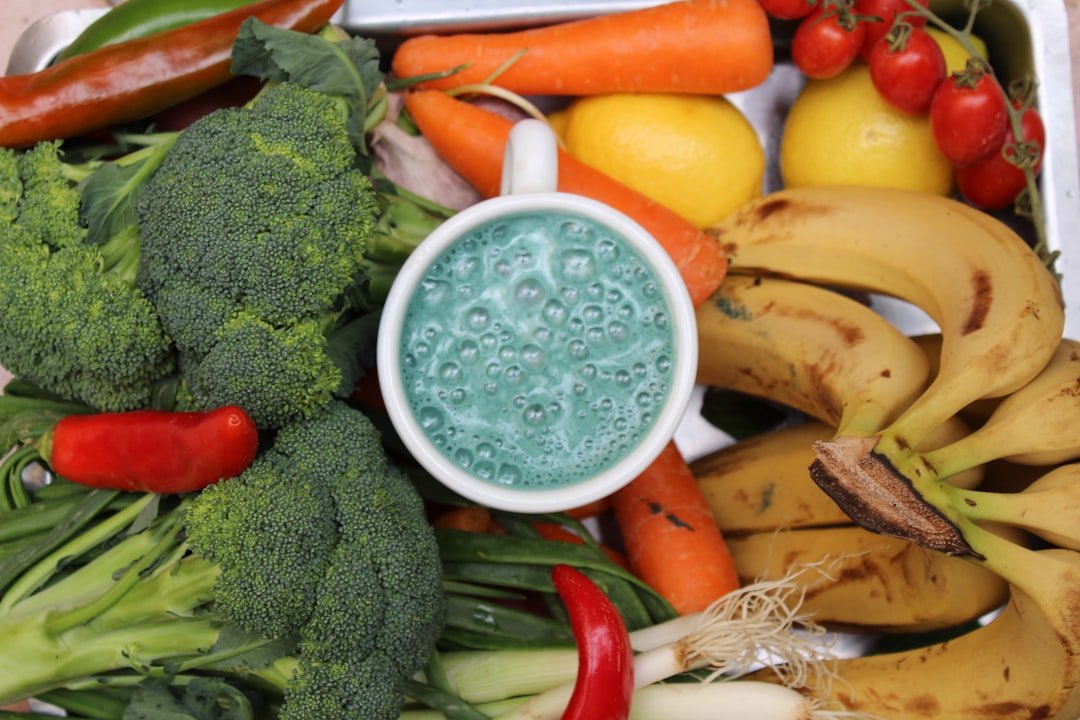
– Broccoli, carrots, and leafy greens (insoluble) - Whole Grains
– Oats, barley, and brown rice - Legumes
– Lentils, chickpeas, and black beans - Seeds & Nuts
– Flaxseeds, chia seeds (super concentrated in fiber)
– Pistachios and almonds (think healthy snacking) - Natural Fiber Powders
– Plant-based blends with 12+ sources, like psyllium husk, oat bran, and inulin
Tip: Always choose non-GMO, organic, and minimally processed options to maximise eco-friendly nutrition.
Sustainable Fiber in Everyday Products
The eco-conscious revolution isn’t limited to the plate. Natural fibers turn up everywhere:
- Personal hygiene: Bamboo toothbrushes, jute exfoliating gloves
- Home essentials: Jute storage baskets, bamboo dishcloths
- Packaging: Compostable trays, paper infused with plant matter
By selecting these items, you reduce plastic waste and lower your carbon footprint—while boosting your fibre intake!
How SMEs Can Leverage Eco-Friendly Nutrition Content
Small to medium enterprises (SMEs) often struggle to create high-quality blogs, product descriptions, and educational guides. Here’s where Maggie’s AutoBlog comes in.
Meet Maggie’s AutoBlog
Maggie’s AutoBlog is an AI-driven platform that crafts SEO-optimised, geo-targeted blog content—all without the overhead of a full writing team. With Maggie’s AutoBlog, you can:
- Generate posts on eco-friendly nutrition in minutes
- Ensure keyword-rich, reader-friendly articles
- Tailor content to your audience (e.g., European shoppers)
- Stay ahead of competitors with fresh, consistent updates
Imagine automating your content calendar with actionable guides on sustainable plant-based fibers. That’s the power of automation meeting green living.
Practical Tips: Incorporate More Fiber—Sustainably
Let’s get hands-on. Here are simple ways to boost fiber intake without compromising your green values.
- Morning Smoothie Boost
– Add 1 tbsp chia seeds, ½ cup spinach, and a handful of berries.
– Toss in a spoonful of compostable bamboo fiber powder. - Midday Snack Hack
– Swap potato chips for roasted chickpeas.
– Pack in a reusable, jute-lined container. - Dinner Upgrade
– Mix lentils into pasta sauce or casseroles.
– Serve with a side of steamed broccoli and carrots. - Baking with Purpose
– Replace 10% of flour with oat bran or psyllium husk.
– Reduce sugar—fiber helps you feel full sooner. - Stay Hydrated
– Fiber needs water.
– Carry a stainless-steel or bamboo-insulated bottle.
Consistency is key. Over a few weeks, you’ll notice better digestion, more energy, and a lighter eco-footprint.
Choosing Truly Eco-Friendly Fiber Products
With so many “green” labels out there, spotting the genuine ones can be tricky. Here’s a quick checklist:
- Materials: 100% natural—no hidden synthetics.
- Certifications: Look for USDA Organic, Fair Trade, or similar.
- Production: Ethical sourcing and minimal waste.
- Packaging: Recyclable, compostable, or plantable.
- Community: Brands that give back or educate users.
Aegle Sriphal checks all the boxes. From bamboo homeware to jute accessories—and yes, even AI content solutions like Maggie’s AutoBlog—we blend function with sustainability. Every product you choose supports ecological education and real-world impact.
The Future of Eco-Friendly Nutrition
We’re at a crossroads. Demand for eco-friendly nutrition is soaring, and the market for sustainable goods is projected to reach $300 billion by 2025. Bamboo and jute lead the charge, thanks to their renewability and versatility.
For SMEs in Europe and beyond, this means:
- An expanding audience eager for plant-powered guides
- Opportunities to partner with schools, NGOs, and corporates
- Stronger brand loyalty when you champion real sustainability
By combining quality natural fibers with smart content strategies—powered by Maggie’s AutoBlog—you’ll stand out and drive meaningful change.
Take Action: Nourish Your Gut and the Planet
Ready to embrace eco-friendly nutrition? Start with simple steps:
- Stock your pantry with a variety of plant-based fibers.
- Switch to natural fiber household items.
- Automate your content creation with Maggie’s AutoBlog.
- Educate your community on sustainable living.
Every fibre-rich meal, every bamboo product, every eco-focused blog post brings us closer to a healthier world. Let’s harness the power of natural fibers—for our digestive health and for the planet.
Discover more eco-friendly solutions and start your journey today.
Explore Aegle Sriphal’s sustainable range and innovative services »