Introduction
India and its ASEAN neighbours are vibrant, diverse, and… surprisingly green. Urban skyscrapers rise beside mangrove swamps. High-tech hubs sit within rice paddies. And consumers? They’re tinkering with eco-friendly routines, from swapping plastics for jute to choosing bamboo straws over disposables. But how deep does this green wave run? And how do Southeast Asia green habits compare to each other—and to the rest of the world?
Drawing on global research and local case studies, we’ll unpack:
- What everyday eco-choices look like in India and Southeast Asia
- The rise of bamboo and jute as go-to sustainable materials
- Practical tips to deepen your green routine
Let’s dive in.
1. The Big Picture: Eco-Conscious Consumers on the Rise
1.1 A Regional Snapshot
Across Southeast Asia green habits are evolving fast. Recent surveys suggest:
- In urban India, 68% of households sort waste at home.
- In Thailand and Malaysia, over 60% bring their own bags to the market.
- Vietnam leads with 55% of city dwellers cutting down on single-use plastics weekly.
Contrast that with the US, where around 57% of people report reusing shopping bags regularly. The global green tide is rising—and Asia is riding the crest.
1.2 Drivers of Change
Why the shift? Three big forces:
- Government Policies: Plastic bans and waste management rules in Singapore, the Philippines, and India’s major states.
- Youth Activism: Millennials and Gen Z are vocal. Campus clean-ups. Zero-waste clubs. Social media #cleanup campaigns.
- Local Entrepreneurs: SMEs using Maggie’s AutoBlog to tell their eco-stories online, boosting visibility without a big team.
These factors fuel stronger Southeast Asia green habits every month.
2. Everyday Green Habits in India and Southeast Asia
Time to get granular. Let’s explore the routines that add up to a greener life.
2.1 Waste Management
Sorting trash is no longer niche:
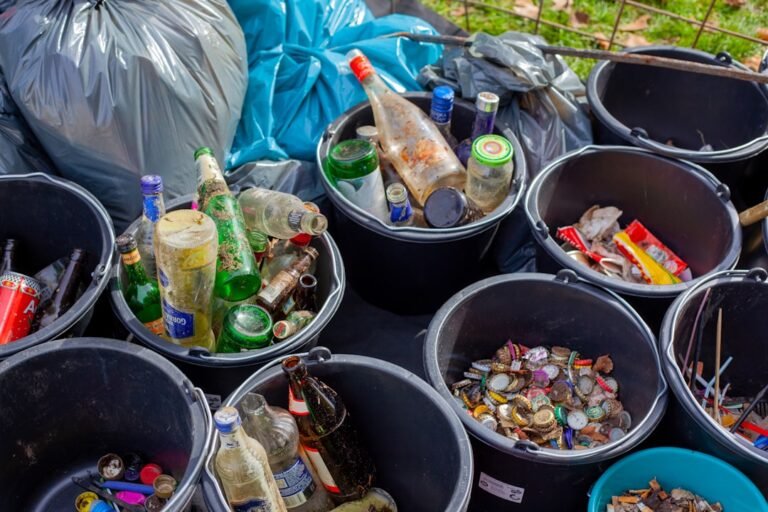
- India: Waste pickers collaborate with neighbourhoods. Composting food scraps is hitting 40% adoption in metro zones.
- Indonesia: Coastal clean-ups mobilise local fishermen to prevent plastic drift.
- Philippines: Incentive schemes pay households for segregated recyclables.
Tip: Keep two bins—wet and dry—under the sink. Simple. Effective.
2.2 Water and Energy Use
Water shortages loom. Energy bills climb. Consumers respond:
- Short showers: 45% in Malaysia limit to 5–10 minutes.
- LED adoption: Over 50% of urban homes in India have replaced incandescent bulbs.
- Solar water heaters sprout on rooftops in Thailand’s tourist towns.
Pro tip: Swap your old showerhead for a low-flow model. You’ll barely notice the difference—but your utility meter will.
2.3 Transport Choices
Traffic jams? Pollution spikes? A recipe for change:
- Public transport ridership in Bangkok and Kuala Lumpur is climbing 20% year-on-year.
- Cycling lanes in Ho Chi Minh City and Chennai invite daily riders.
- Ride-sharing apps often feature electric vehicle options in Manila and Delhi.
Every trip you opt not to drive cuts carbon. And you might even beat the rush-hour queue.
2.4 Fashion and Shopping
Fast fashion still lurks, but alternatives shine:
- Second-hand markets in Mumbai and Jakarta flourish on weekends.
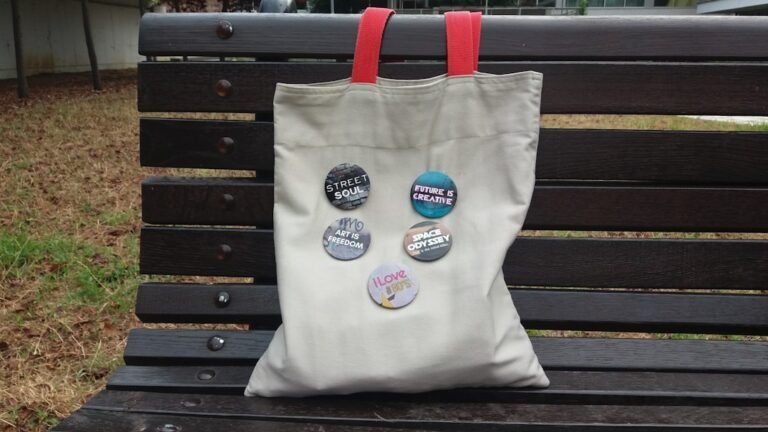
- Local artisans use jute to craft bags, mats and home décor.
- Bamboo textiles from Vietnam are gaining traction for sheets and towels.
Reducing impulse buys? That’s the secret sauce behind smarter wardrobes.
3. Bamboo and Jute: Cornerstones of Sustainable Living
What makes bamboo and jute so special? Let’s break it down.
3.1 Bamboo: The Fastest-Growing Resource
- Regenerates in weeks, not years.
- Naturally antibacterial—ideal for kitchenware and toothbrushes.
- Absorbs more CO₂ than many tree species.
Consider swapping your plastic straws for a bamboo straw. Or upgrade to bamboo homeware—lightweight, durable, and compostable.
3.2 Jute: The Golden Fibre
- Grows with minimal irrigation.
- Biodegrades in months—no microplastic nightmares.
- Robust enough for totes, sacks and furniture accents.
Tip: A jute shopping bag can replace hundreds of single-use plastic bags annually. It’s like carrying your green commitment on your shoulder.
3.3 How SMEs Can Thrive
Small and medium enterprises can harness these materials for growth:
- Share product stories on Maggie’s AutoBlog.
- Highlight eco-benefits in posts—bamboo’s CO₂ absorption, jute’s water-savings.
- Engage local communities through workshops on DIY bamboo and jute crafts.
These steps help SMEs boost online reach and customer loyalty—no giant marketing budget needed.
Discover the range of plantable products
4. Practical Tips to Deepen Your Green Habits
Let’s get hands-on. Here’s how to elevate Southeast Asia green habits in your day-to-day:
- DIY Compost: Use kitchen scraps to enrich potted plants. No garden? Use a small worm-bin.
- Bulk Buys: Refill dry goods—rice, pulses, grains—in your own containers. Cut single-use packaging.
- Plantable Pencils: Grab a pencil that grows into herbs once you’re done. (Yes, really.)
- Energy Check: Unplug chargers at night. Phantom loads add up.
- Digital Receipts: Ask for e-invoices. Fewer trees felled.
It’s not about perfection. It’s about making one more eco-swap each week. That’s how big impact grows.
5. Building a Green Community
Going solo is fine. But pairing up? Better. Try:
- Neighbourhood Swap Meets: Exchange clothes, books, kitchenware.
- School Talks: Bring bamboo and jute samples to classrooms.
- Corporate Workshops: SMEs can partner with NGOs and use Maggie’s AutoBlog to publicise events.
A shared mission cements change. And collaboration generates ideas you’d never have alone.
Conclusion
India and Southeast Asia are charting a new course. From rice fields to high-rises, Southeast Asia green habits are sprouting. Bamboo and jute anchor sustainable choices. And small businesses? They can amplify their impact with tools like Maggie’s AutoBlog and products from Aegle Sriphal—think plantable pencils, bamboo homeware, jute totes.
Every single step counts. Want to take yours? Explore mindful swaps, support local artisans, and shout about it online. Our planet will thank you.