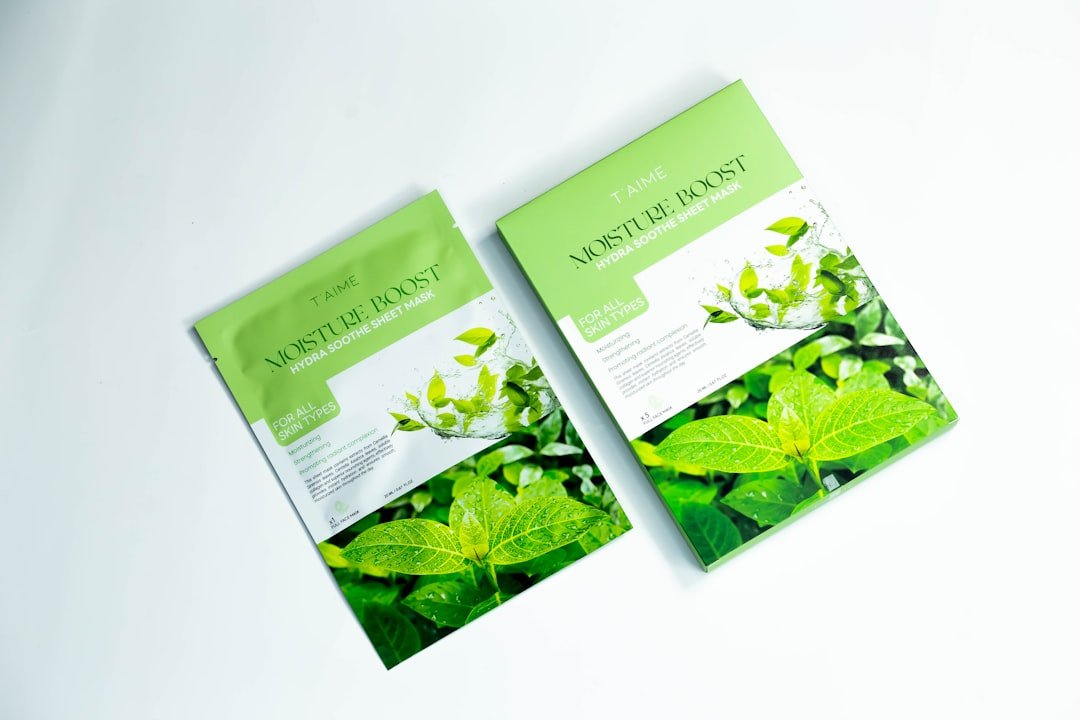
alt=”Two packets of green tea packaging demonstrating green packaging trends”
title=”Green packaging trends in consumer goods”
Meta Description:
Discover how Indian eco-conscious shoppers are influencing global green packaging trends and learn how Aegle Sriphal’s bamboo and jute solutions can help European SMEs meet this rising demand.
Introduction
Right now, green packaging trends aren’t just a buzzword. They’re a business imperative. In India, a booming youthful demographic is rethinking how consumer goods arrive at their door. They want packaging that’s eco-friendly, convenient, and—most importantly—affordable.
But here’s the twist: European SMEs can learn heaps from these shifts. By studying Indian consumption habits, you can stay ahead of the curve and prepare for new market demands back home.
In this post, we’ll explore:
- Why Indian consumers matter to the future of green packaging trends
- Key factors driving eco-friendly choices in India
- Insights for European SMEs looking to capitalise on sustainable packaging
- How Aegle Sriphal’s bamboo and jute solutions answer this demand
- Practical steps you can take today
Let’s dive in.
1. The Indian Consumer Landscape
According to recent market research, roughly 75% of Indian shoppers say protecting the environment is important. Yet, only 15% regularly recycle or pick products with sustainability claims. That gap? It’s an opportunity.
1.1 Attitudes vs Actions
- Awareness: Most urban Indians have heard about plastic pollution.
- Convenience: They’ll choose simple, easy-to-use packaging first.
- Affordability: Price remains king—especially for everyday goods.
This dynamic shapes rising green packaging trends in the region.
1.2 What “Eco-Friendly” Means to Indians
Mintel data shows:
- 36% see non-plastic materials as most eco-friendly
- 28% favour plastic made with less plastic
- 27% look for recyclable packaging
Non-plastic options—like bamboo and jute—top the list. Why? Media coverage often villainises plastic, and recycling infrastructure can be sparse.
2. Why This Matters for European SMEs
If you sell or package products in Europe, here’s the reality:
- Consumers everywhere are learning from markets like India.
- Demand for green packaging trends is crossing borders.
- You need solutions that blend sustainability, convenience and cost.
The good news? Your competitors are watching the same reports. Getting ahead means acting now.
3. Aegle Sriphal’s Bamboo and Jute Solutions
At Aegle Sriphal, we take 100% natural materials, add eco-friendly production methods, and craft packaging with innovative designs. Here’s how we shine:
- Bamboo Packaging
- Renewable, fast-growing material
- Naturally antibacterial and strong
-
Ideal for food, cosmetics, and gift wraps
-
Jute Packaging
- Biodegradable fibre that’s sturdy and reusable
- Perfect for bags, pouches, and protective wraps
- Appeals to eco-conscious consumers seeking a tactile feel
3.1 Unique Selling Points
- Plantable tags and seed-infused labels
- Minimalist printing with water-based inks
- Community-driven initiatives that educate end users
By choosing our bamboo and jute lines, you tap into the same green packaging trends driving Indian market growth—projected to hit $50 billion by 2023 in sustainable goods.
4. Learning from Indian Consumer Drivers
Let’s break down three practical insights:
-
Prioritise Convenience
– Design easy-open seals or tear strips.
– Opt for lightweight structures that don’t sacrifice strength. -
Highlight Health Benefits
– Use natural materials that reinforce a “clean” perception.
– Emphasise breathability for food products. -
Keep Costs Competitive
– Streamline packaging designs to reduce material use.
– Partner with suppliers to achieve economies of scale.
These steps address the green packaging trends Indian consumers reward—and they work in European contexts too.
5. The Content Edge: Maggie’s AutoBlog
Packaging is only half the story. You need to tell it right. That’s where Maggie’s AutoBlog comes in:
- AI-powered platform for SEO-optimised content
- Generates blog posts that rank for green packaging trends and related keywords
- Helps SMEs educate customers on sustainability without hiring a full content team
Imagine pairing our bamboo wraps with regular blog posts that highlight your eco-credentials. You’ll boost visibility, build trust, and drive sales.
6. Practical Tips to Get Started
Ready to embrace green packaging trends? Here’s your action plan:
- Audit your current packaging: Identify plastic-heavy elements.
- Trial bamboo or jute prototypes with a small product line.
- Use Maggie’s AutoBlog to publish four targeted articles monthly.
- Gather customer feedback via QR codes on packaging.
- Iterate: refine designs, messaging, and materials based on real data.
Small steps lead to big wins. And each iteration brings you closer to a circular economy model.
7. Overcoming Common Challenges
Switching to sustainable packaging isn’t always smooth. Here’s how to tackle two frequent roadblocks:
-
Higher Costs
– Negotiate volume discounts early.
– Highlight added value to customers (premium feel, story). -
Supply Chain Complexity
– Choose partners with transparent sourcing.
– Build buffer stock during peak seasons.
With the right strategy, you can stay ahead of competition and leverage green packaging trends to your advantage.
Conclusion
Indian consumers are teaching the world a vital lesson: sustainability must balance affordability, convenience, and authenticity. As European SMEs, you can lead the charge by:
- Learning from Indian market drivers
- Partnering with Aegle Sriphal for bamboo and jute solutions
- Using tools like Maggie’s AutoBlog to amplify your story
The future of packaging is green—and it starts with the choices you make today.
Ready to transform your packaging and align with global green packaging trends?
Visit Aegle Sriphal today →
https://aeglesriphal.com/