Introduction: Credible Voices Shaping Sustainable Personal Care Decisions
Influencers are everywhere. One day you trust a beauty guru’s tip, next you’re questioning why your shampoo bottle is plastic. In the booming world of sustainable personal care, it’s not enough to be popular. Audiences demand authenticity, expertise and a clear eco-promise. When an influencer ticks those boxes, your trust spikes—and so does your willingness to swap mass-market oils for refillable bottles.
This article dives into why credible eco-influencers matter for sustainable personal care in India. We’ll unpack peer-review insights on source credibility, herd behaviour and electronic word-of-mouth. Plus, you’ll see how Aegle Sriphal’s eco-transformation blends bamboo, jute and plantable pencils with transparent storytelling to create real impact. Ready to switch to greener routines? Eco-Transformation: Aegle Sriphal’s Sustainable personal care initiative
The Science Behind Influencer Credibility
Influencer marketing often feels like guesswork. But in the realm of sustainable personal care, academic research shines a light on solid mechanics. A recent study by Lanchippa, León and Munayco (2024) used partial least squares structural equation modelling (PLS-SEM) with nearly 500 respondents. Here’s what they found:
- Expertise Matters: Influencers with real knowledge in eco-friendly ingredients foster trust.
- Electronic Word-of-Mouth (eWOM): Your peers’ online chatter strongly sways perceptions.
- Herd Behaviour: When enough people adopt a sustainable routine, new adopters follow—often subconsciously.
Expertise: The Trust Factor in Sustainable Personal Care
Raw popularity won’t cut it. In sustainable personal care, audiences look for:
- Proven background in eco-beauty or environmental science.
- Clear explanations of ingredient sourcing.
- Honest breakdowns of pros and cons.
When influencers share deep insights—for instance, the environmental footprint of bamboo toothbrushes—they earn a badge of expertise. Followers listen. They trust. They act.
Authenticity and Transparency
Authenticity isn’t a buzzword. It’s a behavioural cue. Transparent influencers:
- Disclose brand partnerships up front.
- Show real-life usage (the good, the messy, the squeaky-clean).
- Acknowledge limitations (e.g. certain products still use recyclable plastic).
This level of openness reduces scepticism. It turns viewers into advocates.
Electronic Word-of-Mouth and Herd Behaviour
Ever bought a lip balm because every sustainable influencer mentioned it in quick stories? That’s herd behaviour, fuelled by eWOM. In the study:
- eWOM had a direct and significant impact on herd behaviour among eco-minded consumers.
- Herd behaviour, in turn, boosted purchase intention for sustainable personal care.
It’s like seeing a queue outside an eco-store—our instincts nudge us to join the crowd. Data backs it up: collective endorsements amplify trust.
India’s Growing Appetite for Sustainable Personal Care
India is at a turning point. A youthful, eco-aware consumer base meets urgent plastic waste challenges. Key drivers include:
- A projected ₹4 lakh crore (approx. $50 billion) addressable market for sustainable goods by 2023.
- Rising government regulations on plastic usage and disposal.
- A cultural shift towards mindful living—driven by school campaigns and social media.
North to south, urban and rural, people are exploring eco-alternatives. Bamboo toothbrushes, refillable shampoo pouches and plantable pencils are no longer niche. They’re mainstream.
Discover Aegle Sriphal’s sustainable personal care range
Aegle Sriphal’s Eco-Transformation: Credibility Meets Product
Aegle Sriphal knows that credibility isn’t built overnight. Here’s how they do it:
- Careful influencer partnerships: Experts in sustainable manufacturing and eco-lifestyle.
- Educational content: Workshops in schools across India to explain the advantage of bamboo homeware and jute accessories.
- Plantable pencils: A small act that teaches big lessons—grow a tree from your stationery.
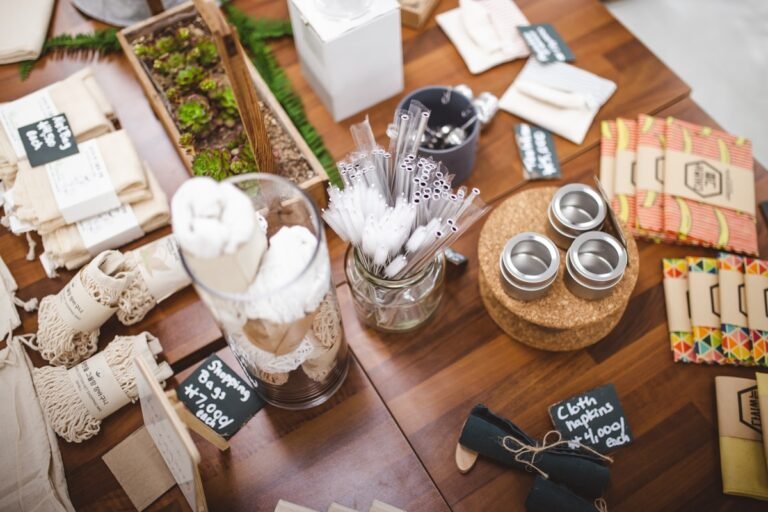
- Bamboo homeware: Toothbrushes, trays and utensils handcrafted with minimal waste.
By weaving real stories—like a village artisan’s process for harvesting bamboo—Aegle Sriphal turns product pages into sustainable narratives. That’s powerful eWOM in action.
Practical Steps for Brands: Building Credibility and Driving Purchases
Whether you’re a start-up or a legacy brand, here are actionable tips:
- Vet influencer expertise: Request proof of eco-qualifications or past sustainability projects.
- Craft transparent campaigns: Share behind-the-scenes footage of production.
- Leverage micro-influencers: Niche voices often command higher trust rates than mass-audience stars.
- Measure eWOM impact: Track hashtags, shares and comment sentiment around sustainable personal care posts.
- Encourage community challenges: For instance, a “30-day plastic swap” led by credible influencers.
These steps tap directly into the trust–herd loop identified by PLS-SEM research.
Conclusion: The Future of Sustainable Personal Care in India
Influencer credibility is more than vanity metrics. It’s a key driver of trust, herd behaviour and ultimately, purchase intention in the sustainable personal care space. In India, where the eco-market is just warming up, credible voices can tip the scales towards lasting change.
As consumers, you hold the power to demand authenticity. As brands, you must rise to the occasion—partner with genuine experts, celebrate transparency and watch your eco-initiatives flourish.
Ready to embrace a greener routine? Join the eco-transformation with Aegle Sriphal’s sustainable personal care