Why We Need Sustainable Manufacturing Innovations
We’ve all seen the headlines: climate targets, waste crises, plastic bans. But what if factories could run on bamboo, jute, bacteria and still turn a profit? That’s the promise of sustainable manufacturing innovations. No more chalk-and-talk. Real action. Real impact.
Consider this:
- 300 billion dollars by 2025: projected value of the global green products market
- 5–7% CAGR: driven by waste concerns and conscious living
- €50 billion: India’s sustainable goods opportunity, led by bamboo and jute
Small to medium enterprises (SMEs) face pressure. Consumers demand eco-friendly goods. Regulations tighten. The solution? Embrace new processes and materials today, not tomorrow.
“Small tweaks can yield big green wins,” says the latest market research.
Whether you’re a kitchenware maker or fashion label, sustainable manufacturing innovations aren’t an optional badge. They’re your next competitive advantage.
Green Bioprocessing: From Bamboo to Bacterial Factories
Bioprocessing is no longer lab-bound. It’s marching into factories, powered by microbes like Bacillus subtilis. This bacterium, GRAS-certified by the FDA, displays enzymes on its surface – in either vegetative cells or hardy spores. Here’s why that matters:
- Enzyme immobilisation on spores: boosts stability in heat, acid, solvents
- Biocatalysis for waste breakdown: degrade pollutants, recover metals
- Biosensor platforms: real-time monitoring of production lines
For example, researchers engineered B. subtilis spores to display lignin peroxidase (LiP), an enzyme critical for lignin degradation in biofuel and paper industries. Surface-bound LiP worked at 55 °C (versus 42 °C free form) and retained 50% activity after four reuse cycles. That’s one of many sustainable manufacturing innovations harnessing nature’s recyclers.
Another green twist: bamboo bioprocessing. Bamboo isn’t just for furniture. Enzymatic treatments can break down bamboo fibers into high-value biopolymers. Those polymers replace plastics in packaging, textiles and even 3D printing filaments. Combined with microbial fermentation, bamboo becomes a zero-waste powerhouse.
Spotlight: Aegle Sriphal’s Bamboo Homeware
At Aegle Sriphal, every item starts with 100% natural bamboo or jute. No toxic glues. No hidden plastics. Their bamboo cutting boards, plantable pencils and jute bags embody sustainable manufacturing innovations from raw material to retail shelf. By leveraging green bioprocessing steps—like organic enzyme washes—they minimise chemical footprints and maximise durability.
Natural Materials in Action: Bamboo, Jute and Beyond
We love the idea of recycling, but reuse has limits. Natural materials like bamboo and jute regrow quickly, need no fertiliser, and lock in carbon. Here’s why SMEs across Europe are switching:
- Fast growth: bamboo can mature in 3–5 years
- Soil health: jute enriches soil, reduces erosion
- Biodegradability: return to earth in months, not centuries
Take bamboo textiles. Traditional cotton demands water and pesticides. Bamboo linen, however, uses mild enzymes and mechanical peeling to extract fibers. The result? Soft, anti-bacterial fabric with a fraction of the ecological toll.
Or consider jute packaging. Strong, compostable, and locally sourced in India’s ₹50 billion TAM. Aegle Sriphal’s jute pouches for cosmetics replace single-use plastic zip bags. Consumers get chic, sturdy storage—and help keep oceans clean.
And the best part? These sustainable manufacturing innovations often cut production costs in the long run. Less waste equals lower disposal fees. Renewable crops keep raw material prices stable. Win-win.
Eco-Friendly Production Lines: Smart, Lean and Green
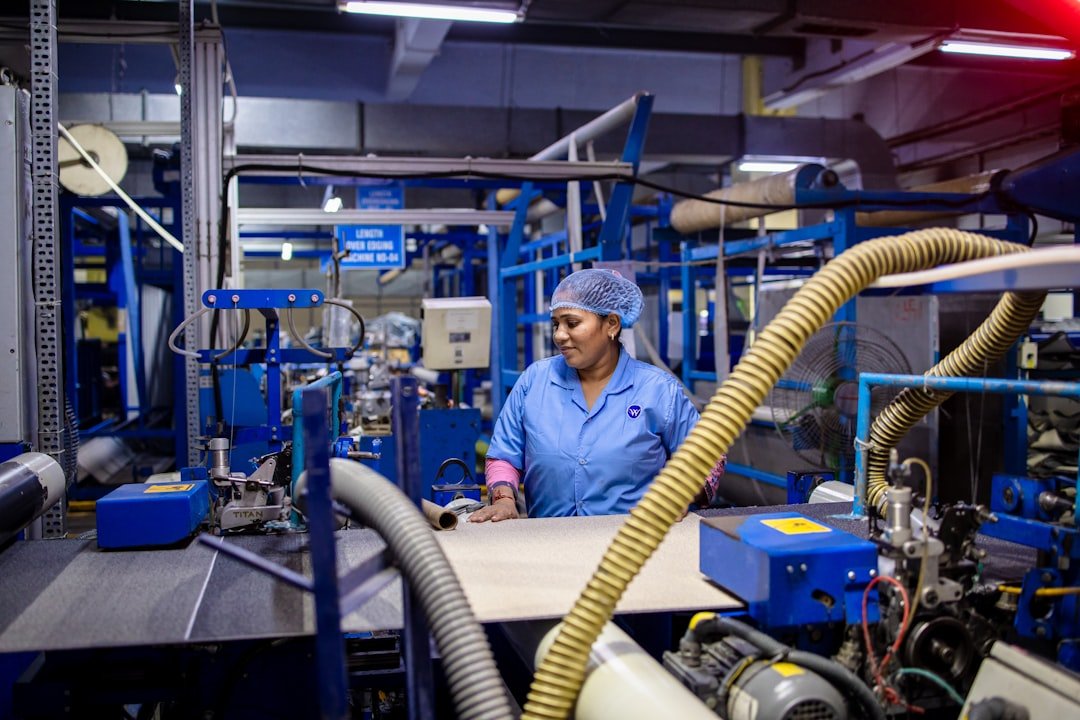
Materials are only half the story. How you manufacture matters too. Modern factories adopt:
- Lean layouts: reduce transport waste, speed up workflows
- Renewable energy: solar rooftops, biomass boilers
- Digital twins: virtual models to cut trial-and-error
- Closed-loop water systems: recirculate and filter
Remember, every kWh saved is a carbon badge. Every litre of water reused spares local resources. And you don’t need a corporate budget. Start small.
Bullet points, please:
- Map your process. Pinpoint high-energy steps.
- Swap fossil fuels for biomass or biogas.
- Automate only where ROI meets sustainability.
- Track metrics: energy, water, waste per unit product.
Even your marketing can go greener. Aegle Sriphal’s “Maggie’s AutoBlog” auto-generates SEO content that highlights eco-credentials. No in-house team. No wasted hours. SMEs can engage conscious consumers with minimal overhead.
Collaborations, Certifications and Community
Real sustainable manufacturing innovations thrive on collaboration:
- B2B tie-ups with green NGOs, schools and retailers
- Government grants for eco-friendly tech
- Industry standards: ISO 14001, Cradle to Cradle
Aegle Sriphal partners with local cooperatives in India and Europe, ensuring fair wages and traceable supply chains. Consumers track their product’s journey via QR codes—click, learn, trust. It’s transparency in action.
Looking Ahead: What’s Next in Sustainable Manufacturing Innovations
What’s on the horizon? A mix of science and creativity:
- Synthetic biology meets 3D printing: custom bioinks from bamboo
- AI-optimised workflows: minimising waste in real time
- Circular design loops: products engineered for disassembly
- Carbon-negative manufacturing: sequester more than you emit
Regulators will tighten labels. Consumers will demand proof. Brands that adapt early will own the market.
“The future favours makers who think beyond profit,” says our head of sustainability.
By weaving bamboo, jute and microbial bioprocessing into your line, you’re not just cutting emissions. You’re rewriting industrial stories.
Conclusion
Innovating means action. And sustainable manufacturing innovations aren’t a luxury—they’re a necessity. From bamboo bioprocessing and B. subtilis enzyme display to lean, eco-friendly production lines, the tools are at your fingertips.
Whether you’re a small brand or scaling up, solutions exist:
- Natural materials that regrow and biodegrade
- Microbial platforms for green chemistry
- Smart production for minimal waste
- AI-powered content with Maggie’s AutoBlog
Ready to transform your operations? Let’s build a greener, profitable future—one innovation at a time.