SEO Meta Description: Discover the rise of biodegradable packaging resources—from bagasse to bamboo pulp—and see how Aegle Sriphal blends sustainable materials with functional design for eco-friendly products and packaging.
Why Switch to Biodegradable Packaging Resources?
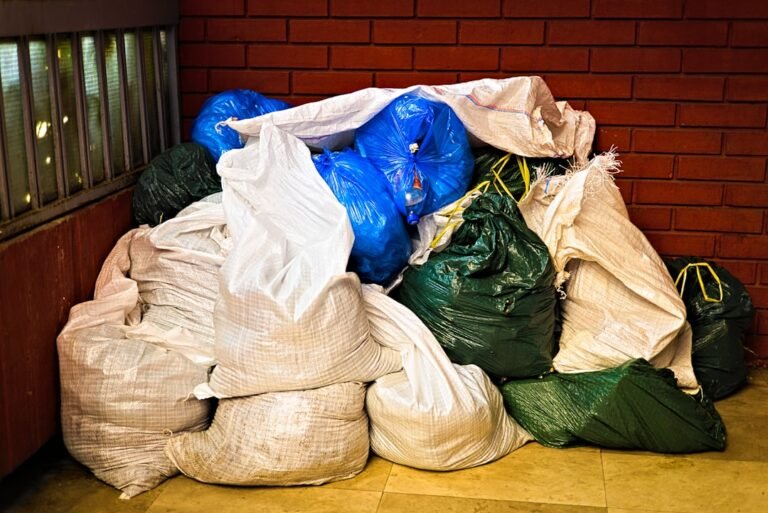
Plastic waste is piling up. Landfills groan under single-use containers. The effect? Harm to wildlife, clogged waterways, and hefty carbon footprints.
The solution? Biodegradable packaging resources that break down naturally—without toxic residues.
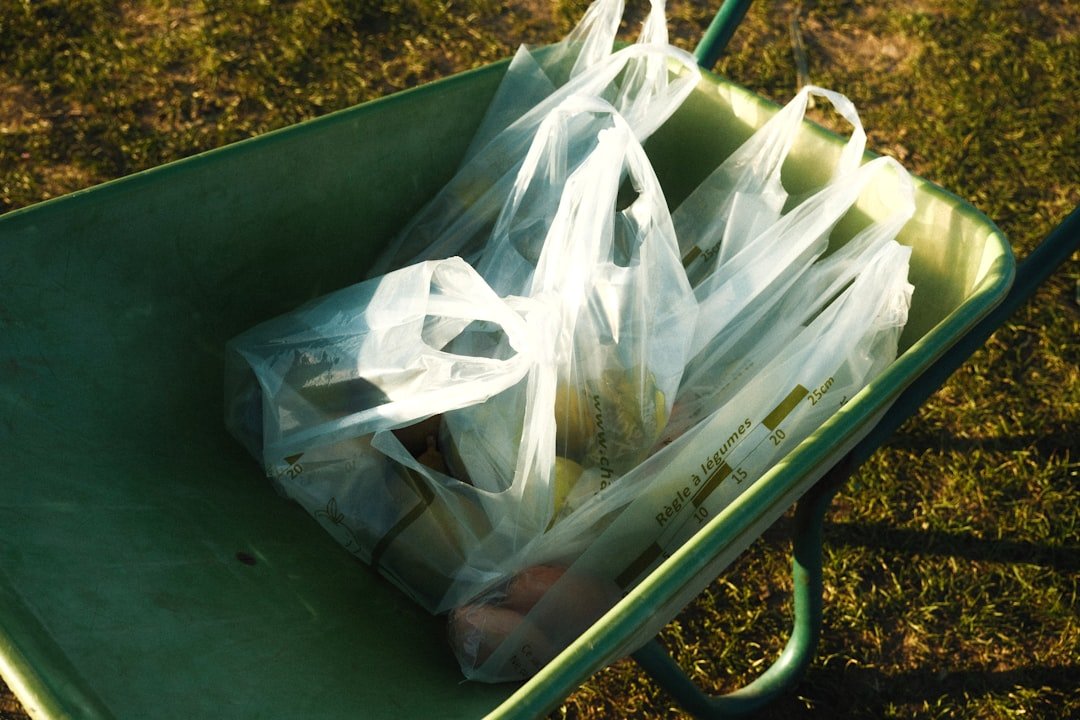
Think of it like swapping a plastic bag for a leaf. Both carry your groceries. One vanishes in weeks, the other lasts centuries. Which would you pick?
In this guide, we’ll explore:
- What makes a resource renewable and biodegradable
- Top materials powering the green packaging revolution
- Real-world benefits: environmental, economic, and social
- Practical examples, plus how Aegle Sriphal champions these resources
- Tips to adopt eco-friendly packaging in your business or daily life
Ready? Let’s dive in.
What Are Renewable Packaging Resources?
Simply put, renewable packaging resources are materials that come from natural sources and can be replenished quickly. Unlike oil-based plastics, they don’t drain finite reserves. Instead, they cycle back into nature.
Key traits:
- Rapid regeneration: Plants like bamboo or sugarcane grow fast.
- Low environmental impact: Production often uses less energy and emits fewer greenhouse gases.
- Biodegradability: They break down into harmless compounds—water, carbon dioxide, organic matter.
In essence, these materials work with nature, not against it.
Top Biodegradable Packaging Resources
Below are six standout materials that slash plastic waste and bring style to packaging.
1. Bagasse (Sugarcane Fibre)
- Source: By-product of sugarcane processing.
- Uses: Food containers, trays, plates, clamshell boxes.
- Perks:
- Heat-resistant—perfect for hot foods.
- Compostable in 60–90 days.
- Sleek, white finish looks premium.
Example: Restaurants serve take-out curry in bagasse bowls. After dinner? Toss it in your home composter.
2. Cornstarch (PLA & Starch-Based Polymers)
- Source: Corn grains converted into polylactic acid (PLA).
- Uses: Clear cups, cutlery, packaging peanuts, shrink film.
- Perks:
- Crystal-clear appearance, like plastic.
- Biodegrades under industrial composting.
- Odour-free and food-safe.
Tip: Look for the “OK compost” label to ensure it breaks down correctly.
3. Paper & Cardboard (Kraft & Recycled Paper)
- Source: Trees (certified forests) or recycled paper.
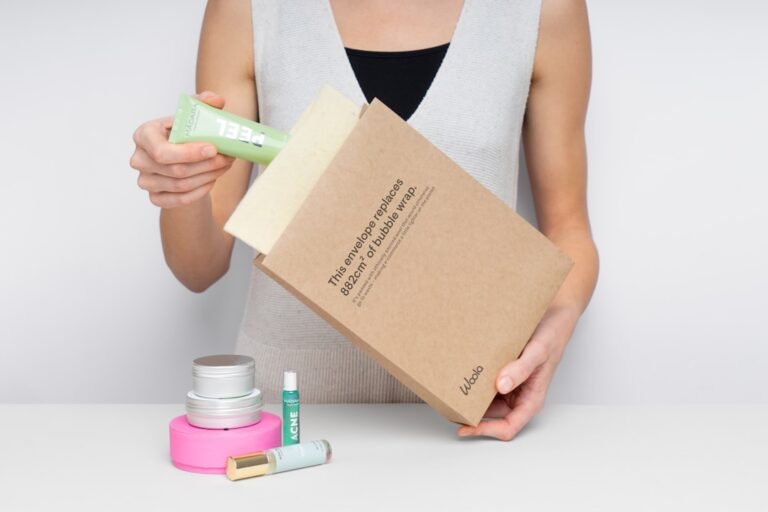
- Uses: Boxes, envelopes, cushioning, mailers.
- Perks:
- Widely recyclable.
- Biodegrades in natural environments.
- Customisable with eco-friendly inks.
Local shops often ship products in recycled cardboard mailers printed with soy-based inks. Simple. Effective. Green.
4. Bamboo Pulp
- Source: Bamboo fibre processed into moulded pulp.
- Uses: Trays, inserts for electronics or cosmetics, food bowls.
- Perks:
- Extremely fast-growing plant.
- Strong and lightweight.
- Naturally anti-bacterial.
Imagine an electronics box with a bamboo pulp insert cradling your phone—no plastic foam in sight.
5. Jute & Natural Fibre Bags
- Source: Jute plants, hemp, sisal.
- Uses: Tote bags, gift wraps, pouches.
- Perks:
- Reusable hundreds of times.
- Biodegradable if disposed.
- Rustic, premium look.
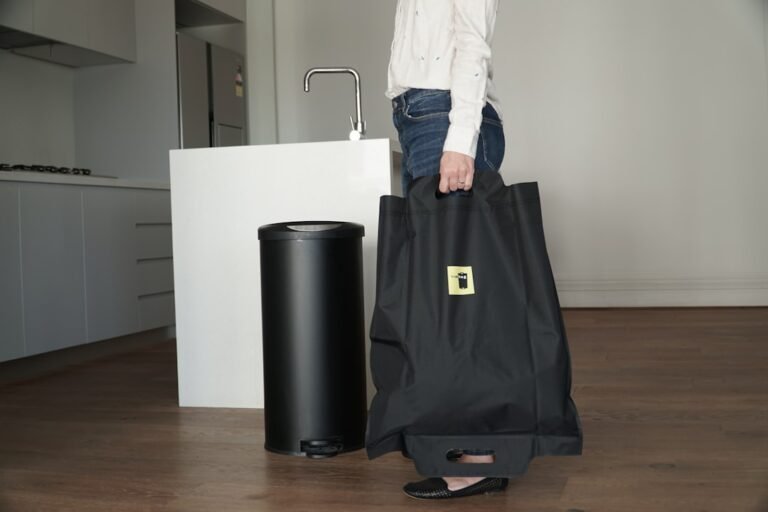
Many brands hand out jute tote bags at events. You’ll keep using them far beyond the conference.
6. Cork Packaging
- Source: Bark of cork oak trees (harvested without felling).
- Uses: Bottle stoppers, bottle insulation sleeves, small boxes.
- Perks:
- Water-resistant.
- Shock-absorbing.
- Regenerates bark every 9–12 years.
Cork sleeves on wine bottles look sharp—and crush into mulch when you’re done.
Real Benefits of Biodegradable Packaging Resources
Switching to biodegradable packaging resources isn’t just “nice.” It packs punch across three fronts.
1. Environmental Advantages
- Lower carbon footprint: Renewable materials often require less fossil fuel to produce.
- Reduced landfill burden: Compostable packaging disappears naturally.
- Wildlife protection: No microplastics leaching into ecosystems.
2. Economic Advantages
- Innovation & jobs: Green manufacturing sparks new businesses and roles.
- Cost stability: Using abundant materials like bamboo or bagasse insulates against oil price swings.
- Brand value: Consumers pay a premium for sustainable credentials.
3. Social Advantages
- Community health: Cleaner air and water from reduced plastic use.
- Education: Eco-friendly packaging sparks conversations about sustainability.
- Equity: Small farmers (e.g., jute growers) gain new market opportunities.
Applications & Examples You Can Try Today
Biodegradable packaging resources fit nearly every scenario. Here are a few ideas:
- Food & Beverage: Use bagasse bowls, PLA cups, bamboo pulp trays for catering.
- E-commerce: Ship goods in recycled cardboard mailers with paper tape.
- Retail & Gifting: Wrap products in jute pouches or kraft paper gift bags.
- Corporate Events: Hand out branded cork bottle openers in a bamboo pulp display.
Small change, big impact.
How Aegle Sriphal Combines Functionality with Sustainability
At Aegle Sriphal, we don’t just talk green—we live it. Our products and packaging reflect a deep commitment to the planet.
Eco-Friendly Packaging Practices
- Minimal, recyclable cardboard boxes
- Cornstarch-based packing peanuts for delicate items
- Biodegradable paper tape and labels
- No single-use plastics—from order packing to shipping
Featured Products in Sustainable Packaging
-
Bamboo Bottle
Packaged in a kraft paper box with cornstarch inserts. Keeps your drink cool—and the planet cooler. -
Bamboo Travel Kit
Delivered in a sugarcane pulp tray sealed with recycled paper sleeves. Perfect for eco-minded adventurers. -
Bamboo Gym Shaker
Arrives nestled in a moulded bamboo pulp cradle. A sturdy, zero-waste unboxing experience. -
Plantable Pencil
Wrapped in recycled paper printed with soy-based inks. Use it, then plant it to grow wildflowers.
By choosing Aegle Sriphal, you support:
- 100% natural materials in every product
- Eco-friendly production methods
- Strong community engagement for sustainability
Tips for Adopting Biodegradable Packaging Resources
- Assess Material Needs
Match strength, moisture resistance, and look with your product. - Verify Certifications
Look for compostable or OK Biodegradable labels. - Partner with Trusted Suppliers
Choose vendors who share your eco-goals. - Educate Your Team
Train staff on proper composting and recycling. - Communicate to Customers
Promote your switch to green packaging on labels and websites.
Even small steps—like swapping plastic mailers for paper ones—add up.
Conclusion
Biodegradable packaging resources are more than a trend. They’re a pathway to a cleaner planet, healthier communities, and a resilient economy. From bagasse plates at dinner parties to bamboo pulp inserts for tech gear, the options are rich and varied.
At Aegle Sriphal, we pair thoughtful design with renewable materials. Our Bamboo Bottle, Bamboo Travel Kit, and Plantable Pencil are just a few examples of how functionality and sustainability can coexist beautifully.
Ready to make the switch? Discover our eco-friendly range and start packaging—and living—more consciously today.
Explore our collection and join the green movement:
Visit Aegle Sriphal
Together, we can turn packaging waste into a resource.