Introduction: The New Cost of Conscience
You’ve probably heard the term eco conscious lifestyle tossed around. But what does it really mean when your wallet starts to groan? In India, a fresh wave of shoppers is scrutinising every rupee. Yet, they’re still up for paying a bit extra if it means cutting plastic out of their day-to-day.
A recent PwC survey shows hungry Indian consumers are ready to add 9.7% to the bill for sustainably sourced goods. That’s roughly ten rupees on a hundred-rupee purchase. Is it worth it? Let’s break it down.
Why Consumers Are Open to a Sustainability Premium
Inflation is real. One-third of shoppers cite it as the biggest threat to their spending habits. Everyday essentials—groceries—are hitting 62% of your monthly budget. Ouch.
And yet, 85% of us feel climate change in our lives. Heatwaves. Air that’s too thick to breathe. Erratic monsoons that make farmers sweat. When you live it, you act on it.
Here’s what drives the premium:
- 46% of folks buy more sustainable products to reduce their footprint.
- 43% make more deliberate purchases, aiming to cut waste.
- 32% tweak their diet—hello, lentils over meat.
- 24% even eye electric vehicles for the next ride.
It’s a balancing act. Lower budgets vs. environmental guilt. What wins? Often our heart.
Bamboo and Jute: Nature’s Power Duo
Picture a local craftsman weaving a jute bag by hand. Or a bamboo toothbrush drying by your sink. These materials are more than buzzwords. They’re proof that an eco conscious lifestyle can feel—and look—premium.
Why bamboo and jute shine:
- Renewability: Bamboo can grow a metre a day. Jute crops improve soil health.
- Durability: Sturdy fibres that outlast cheap plastic goods.
- Biodegradability: No landfill linger—these break down naturally.
- Aesthetic: Earthy textures. Simple elegance.
Take a bamboo cutting board. It won’t warp like plastic, and you can compost it at end of life. Compare that to a single-use plastic board: it’s a dust collector, destined for ocean drift.
Aegle Sriphal: Quality Meets Responsibility
Here’s where things get interesting. You want products that look good, feel strong, and don’t wreck the planet. Aegle Sriphal delivers on all fronts.
What sets them apart:
- 100% natural materials in every item.
- Eco-friendly production methods that keep water and energy use low.
- Innovative designs—from plantable pencils to jute tote bags.
- Plantable products that sprout seeds, boosting environmental education.
- A buzzing community of eco-advocates sharing tips on conscious living.
Plus, if you’re a small to medium enterprise (SME), their high-priority service, Maggie’s AutoBlog, can automatically pump out SEO-optimised content about your green products. Imagine saving hours on blog writing while you focus on crafting bamboo homeware. Neat, right?
Overcoming Cost Concerns: Smart Shopping Tips
Yes, those extra 9.7% can add up. But there are ways to keep your budget—and planet—happy.
- Bundle up
Buy sets of bamboo kitchenware or jute organising kits. Bundles often come with a small discount. - Seasonal sales
Watch out for festivals. Independence Day, Diwali—they’re perfect for snagging deals. - Local pop-ups
Connect directly with artisans. No middleman markup. - Loyalty programmes
Earn points every time you shop sustainable. Redeem them for a free plantable pencil.
And don’t forget: every rupee spent on eco-friendly goods sends a signal. Demand shapes supply.
Getting Started with Your Eco Conscious Lifestyle
Ready to pivot? Start simple.
- Swap plastic straws for bamboo.
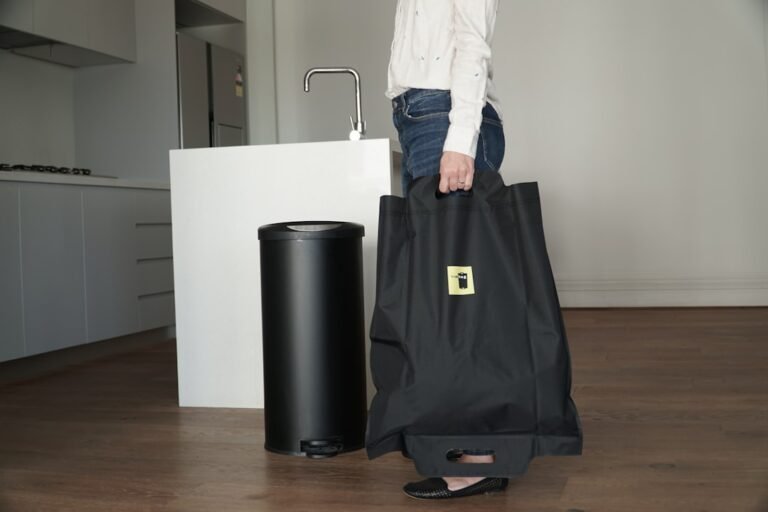
- Ditch single-use carry bags—grab a sturdy jute alternative.
- Replace paper towels with washable cloths made from natural fibres.
- Choose utensils carved from bamboo, not plastic.
Pro tip: Keep an eye on certifications. Look for labels like FSC for wood or GOTS for textiles. It’s your cheat code to honest sustainability.
Every small change builds momentum. Soon, your kitchen, your office, even your travel kit will reflect that eco pledge.
Why the Premium Feels Right
An eco conscious lifestyle isn’t just a shopping pattern. It’s a mini insurance policy—for clean air, fertile soil, and a stable climate. You invest a little now to save a lot later.
Think of it like a gym membership. You pay monthly. It feels steep at first. But over time, you gain health, strength, confidence. The up-front cost? Totally worth it.
Same with sustainable goods. The environment rewards you with fewer plastic islands, protected forests, happier communities.
Final Thoughts
The sustainability premium isn’t a scam. It’s a chance to vote with your wallet. In India’s vibrant market, more of us are seeing the long-term ROI: a healthier planet and products that last longer than a single season.
Ready to make the switch? Dive into bamboo and jute. Back brands that care. And don’t forget to use tools like Maggie’s AutoBlog to share your own green journey.