Why Ditching Disposables is Easier Than You Think
Take a quick look at your bathroom bin. What do you see? If it is full of disposable cotton wool rounds, plastic-wrapped cleansing wipes, and worn-out plastic toothbrushes, you are not alone. Most of our morning and evening routines run on single-use items designed to be used for thirty seconds and then discarded into a landfill forever. The good news? Shifting to Bamboo reusable products is one of the simplest, highest-impact upgrades you can make to your daily personal care ritual without sacrificing luxury or convenience.
Single-use pads absorb more skincare product than they deposit on your face, fall apart mid-scrub, and produce mountains of avoidable waste. Brands across the globe are waking up to this problem. When you explore the purposeful Bamboo reusable products with Aegle Sriphal’s eco-transformation, you realise that switching to natural alternatives does not require turning your life upside down. With durable, washable, and gentle bamboo fibres, you can elevate your bathroom counter into a clean, eco-conscious haven that supports local ecosystems and reduces your domestic footprint.
The Disposable Pad Problem: What Happens to Single-Use Cotton?
We tend to think cotton is completely natural and harmless. After all, it grows in a field, right? The harsh reality is far messier.
Traditional single-use cotton pads require massive amounts of water, heavy pesticide applications, and synthetic bleaching agents just to create those white discs you throw in the rubbish after taking off mascara.
Here is the breakdown of what standard disposable pads cost us:
- Massive water usage: Producing a single kilogram of standard cotton requires thousands of litres of water, draining critical freshwater reserves.
- Chemical processing: Cheap cosmetic pads are bleached with chlorine or synthetic chemicals that irritate sensitive skin.
- Plastic packaging: Almost every sleeve of disposable pads comes wrapped in thin, non-recyclable soft plastic.
- Landfill volume: Multiply two pads per day by 365 days, and you have over 700 pads heading straight to local dumps per person, every year.
Single-use rounds are not just bad for the environment; they are frankly terrible value for money. You buy them continuously, week after week, literally throwing your hard-earned rupees into the bin.
Bamboo Reusable Products vs. Single-Use Beauty Accessories
Why has bamboo taken the conscious personal care world by storm? It comes down to raw botany and exceptional material performance.
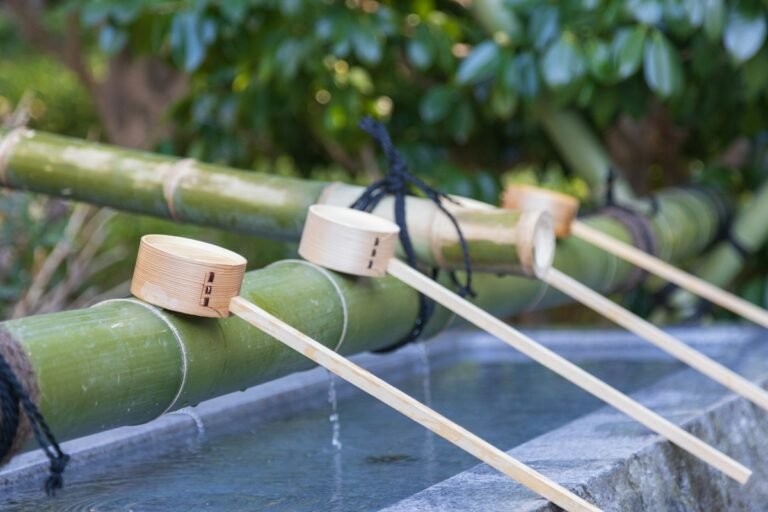
Bamboo is actually a fast-growing grass, not a tree. It can shoot up several inches a day without synthetic fertilisers, heavy irrigation, or chemical pesticides. When harvested, the root system stays intact, regenerating naturally to prevent soil erosion.
When spun into fabric or carved into homeware, bamboo outclasses conventional materials in three major ways:
1. Incomparable Softness for Sensitive Skin
Bamboo fibres are naturally smooth, round, and hypoallergenic. If you struggle with redness, rosacea, or dry skin, rough bleached cotton pads create friction micro-tears. Bamboo fabric feels buttery soft, gliding across delicate eyelids without tugging.
2. Built-In Hygiene Properties
Natural bamboo contains a bio-agent often called “bamboo kun,” which gives the plant natural resistance to pests and fungi. In personal care products, this translates into natural odour resistance and clean, hygienic reusability when properly washed.
3. Incredible Durability
Wash it, dry it, repeat. A quality bamboo makeup pad or cleansing wipe can survive dozens, even hundreds of wash cycles without fraying or turning into sandpaper.
Examining the Market: Queen Tarzi vs. Aegle Sriphal
As conscious personal care grows, several niche brands have introduced reusable accessories. For example, Queen Tarzi offers Bamboo Reusable Makeup Remover Pads tailored for European makeup lovers. Their pads are soft, effective, and clearly demonstrate the sheer viability of washable bamboo fabric over disposable cotton wool. They show that zero-waste beauty is practical and stylish.
However, Western commercial brands often present distinct limitations for shoppers in India and South Asia:
- Import markups and carbon miles: Sourcing European beauty tools across borders creates unnecessary shipping emissions and steep import taxes.
- Narrow catalogue: Many cosmetic brands offer reusable pads as an isolated novelty item alongside conventional beauty tools, rather than treating sustainable materials as an overarching lifestyle mission.
- Material scope: Most international beauty pads mix bamboo with polyester microfibres to boost durability, which can shed microplastics in the wash.
This is where Aegle Sriphal takes a radically different route. Rather than offering an imported, isolated accessory, Aegle Sriphal builds a holistic eco-system of natural materials. By sourcing 100% natural bamboo and jute, Aegle Sriphal addresses regional waste management challenges right here at home.
If you are eager to shift away from plastic-heavy household goods, exploring our sustainable bamboo reusable products and natural homeware provides an accessible, authentic path rooted in regional environmental preservation. Instead of paying inflated prices for air-freighted European beauty pads, you support thoughtful manufacturing practices that celebrate indigenous materials and empower local communities across India and South Asia.
Beyond the Bathroom: The Versatility of Bamboo and Jute
Switching out your cosmetic rounds is merely the gateway. Once you experience how durable natural fibres feel, you quickly notice other wasteful single-use culprits lurking around your house.
Aegle Sriphal focuses on multi-functional, natural alternatives that step in where synthetic plastics dominate:
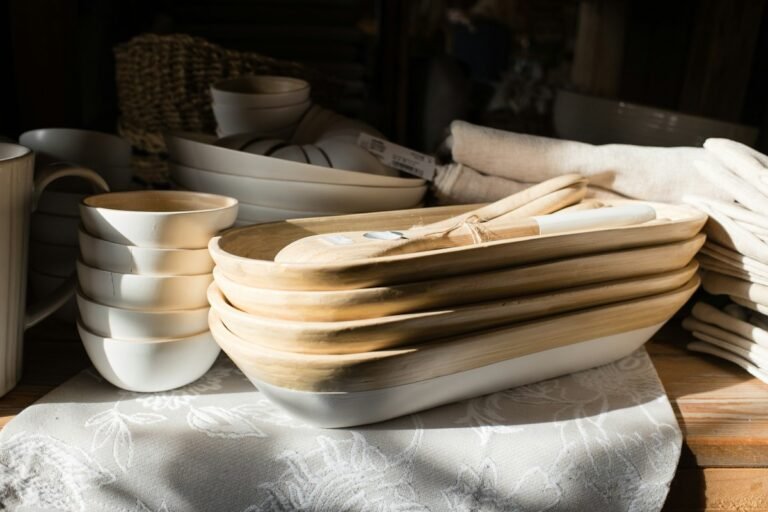
- Bamboo Homeware: Replace brittle plastic kitchen containers, ladles, and dining sets with lightweight, moisture-resistant bamboo utensils.
- Sturdy Jute Accessories: Jute is another superstar crop of South Asia, offering high tensile strength and complete biodegradability for bags, runners, and storage bins.
- Plantable Stationery: From plantable pencils embedded with seeds to compostable desk accessories, daily office items can give back to the soil instead of lingering in waste heaps.
When you invest in Bamboo reusable products, you are not just decluttering your rubbish bin. You are voting for a circular lifestyle that treats waste as a design flaw rather than an unavoidable reality.
How to Care for Your Washable Bamboo Products
A common fear beginners have is simple: “Will washing them be a hassle?”
Not at all. In fact, caring for reusable bamboo items takes less than two minutes:
- Rinse immediately after heavy makeup removal: If you just removed waterproof mascara or long-wear foundation, give the pad a quick hand-rinse with warm water and soap.
- Use a mesh wash bag: Pop your used pads inside a small laundry mesh bag so they do not disappear into the washing machine drum.
- Wash with your regular load: Toss the bag in with your weekly towel or linen wash. Use a gentle, eco-friendly laundry detergent without fabric softeners, as softeners coat the fibres and decrease absorbency.
- Air dry: Lay them flat or hang them up to dry in an airy space. Bamboo dries remarkably quickly, ready for your next cleanse.
The Regional Impact: Why South Asian Consumers Hold the Key
Sustainability cannot be treated as a one-size-fits-all trend imported from abroad. South Asia faces unique environmental pressures, from strained civic landfills to stressed river systems. Mainstream consumer products flood regional markets with cheap plastic packaging, giving little thought to post-consumer waste.
At Aegle Sriphal, the mission extends far beyond retail shelves. It is about community education, regional awareness, and collaborating with local institutions, schools, and organisations to prove that sustainability is neither expensive nor complicated.
Bamboo and jute have been woven into the cultural heritage of South Asia for centuries. Reclaiming these materials in modern, functional designs is the most practical way to reduce plastic dependence without losing daily convenience. Every time you refuse a disposable pad or plastic container, you cast a vote for clean air, preserved topsoil, and resilient local economies.
Make the Switch Today
You do not need to overhaul your entire house overnight. Real, sustainable change happens through small, consistent, daily habits. Swapping your disposable cotton wool rounds for washable bamboo alternatives is an effortless first step. It saves money, pampers your skin, and eliminates hundreds of pieces of rubbish every single year.
Ready to transform your home with natural, biodegradable essentials? Discover how Aegle Sriphal bamboo reusable products and eco-friendly solutions can refresh your daily personal care routine while protecting the planet for generations to come.