Introduction
Every business needs packaging. But when your packaging harms the planet, you carry a hidden cost. Traditional VCI (volatile corrosion inhibitor) films and papers excel at protecting metal parts. Yet they often rely on chemicals, energy-intensive production and slow biodegradation.
Enter natural fiber packaging – a breath of fresh air for eco-conscious brands. Bamboo and jute bags combine strength, style and sustainability. They dissolve tensions around single-use plastics and chemical residues. Best of all, they tell your customers, you care.
In this article, we’ll:
- Compare VCI solutions with natural fiber packaging
- Explore the strengths and limits of each
- Showcase Aegle Sriphal’s bamboo & jute bag range
- Offer practical tips for choosing the right sustainable packaging
Let’s dive in.
Traditional VCI Packaging: Strengths & Limitations
What Are VCI Products?
VCI packaging uses chemical vapours to protect metal goods from rust and corrosion. Since 1948, providers like Daubert Cromwell have led with recyclable, biodegradable VCI films and papers. They comply with RoHS, REACH and other strict standards.
Strengths of VCI Packaging
– Effective corrosion and tarnish protection
– Recyclable and, in some cases, biodegradable over 8–12 years
– Meets international regulations (RoHS, TL 8135, NACE TM0208)
– Suitable for industrial and heavy-equipment markets
Limitations of VCI Packaging
– Relies on synthetic chemicals and amines
– Slow landfill biodegradation; rare breakdown into microplastics
– Minimal branding or visual appeal for consumer-facing markets
– Limited reuse or upcycling potential
VCI films and papers serve a crucial niche. But if you want natural fiber packaging that aligns with conscious living, it’s time to explore bamboo and jute.
Natural Fiber Packaging: The Green Alternative
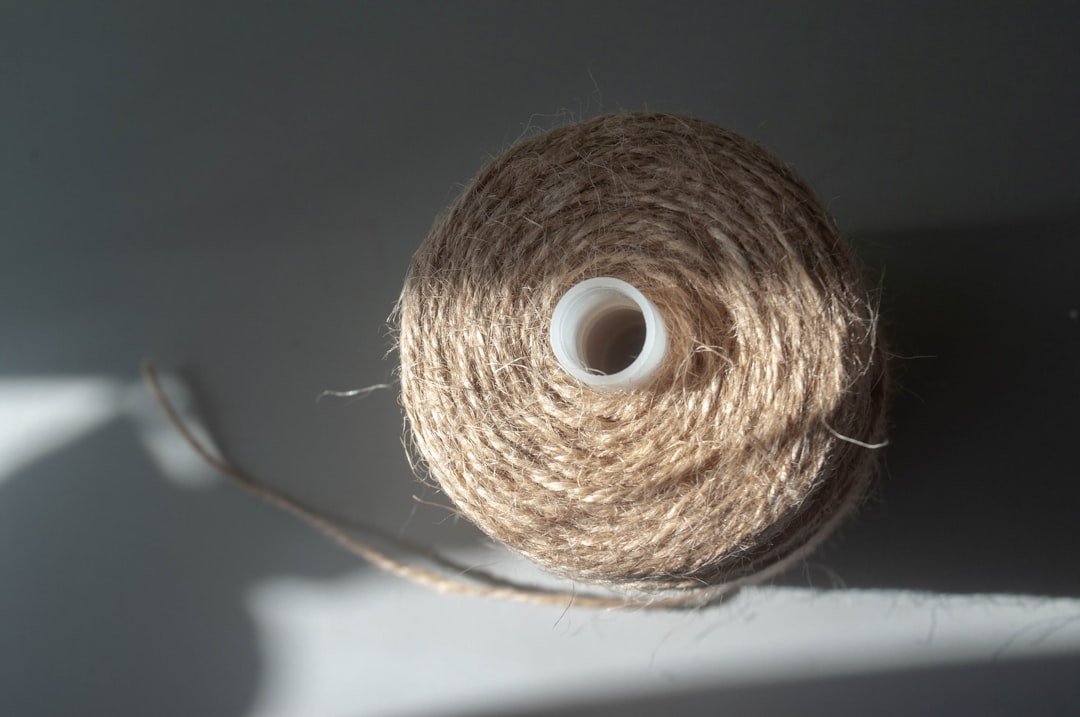
Natural fiber packaging flips the script on synthetic materials. Instead of burying unwanted chemicals, it harnesses renewable plant fibres.
Key Benefits
– Renewable & Rapid Growth: Bamboo matures in 3–5 years. Jute thrives in rainfed fields with little fertiliser.
– Biodegradable & Compostable: These fibres return to soil in months, not decades.
– Reduced Carbon Footprint: Cultivation absorbs more CO₂ than production emits.
– Strong & Durable: Ideal for carryalls, gift bags and reusable totes.
– Natural Aesthetic: Earthy textures and neutral hues enhance brand perception.
– Plantable Options: Custom tags embedded with seeds help spread greenery.
By choosing natural fiber packaging, you send a clear message: your brand values sustainability from start to finish.
Aegle Sriphal vs VCI Packaging: A Side-by-Side Comparison
When you pit bamboo & jute bags against VCI films and papers, the differences are clear.
VCI Packaging
• Durability: Excellent for corrosion protection
• Eco-credentials: Biodegradable but chemical-based
• User Appeal: Industrial, plain aesthetics
• End-of-Life: Recyclable; long landfill timeline
Aegle Sriphal’s Bamboo & Jute Bags
• Durability: Strong, tear-resistant, multi-use
• Eco-credentials: 100% natural materials; plantable tags
• User Appeal: Artisanal look; customisable prints
• End-of-Life: Home compostable; returns nutrients to soil
Bottom Line
VCI packaging guards metal parts. Aegle Sriphal’s natural fiber packaging protects your brand’s reputation and the planet.
Aegle Sriphal’s Bamboo & Jute Bag Product Listings
Ready to upgrade your packaging? Here are our top picks in natural fiber packaging.
1. Jute Tote Bag (Large)
- Dimensions: 40cm × 35cm × 12cm
- Weight capacity: 10kg
- Features:
• Reinforced handles
• Eco-safe water-based inks for logo prints
• Plantable seed tag option
Ideal for farmers’ markets, boutiques and gift shops.
2. Jute Drawstring Pouch
- Dimensions: 15cm × 18cm
- Uses: Jewellery, cosmetics, small gifts
- Highlights:
• Soft inner lining (cotton)
• Drawstring closure with wooden beads
• Bulk orders: up to 500 units
Perfect for event giveaways or luxury packaging.
3. Bamboo Fibre Gift Bag
- Dimensions: 25cm × 20cm × 10cm
- Material: 60% bamboo pulp, 40% recycled cotton
- Benefits:
• Smooth finish, minimal fuzz
• Water-resistant coating (plant-based)
• Flat-packed for space-saving storage
Great for high-end boutiques and eco-friendly gift sets.
4. Customisation & Plantable Tags
- Full-colour prints, metallic foils
- Seed-embedded tags for wildflowers or herbs
- Bulk discounts and design support
Build brand loyalty while reducing waste.
How to Choose the Right Natural Fiber Packaging for Your Business
Picking the ideal natural fiber packaging involves more than size and shape. Here’s what to keep in mind:
-
Product Type & Weight
– Light items (jewellery): go for drawstring pouches
– Heavier loads (clothes, groceries): choose reinforced totes -
Brand Aesthetic
– Minimalist logos? Natural jute weave speaks volumes
– Bright, playful branding? Bamboo fibre’s smooth canvas handles vibrant prints -
End-User Experience
– Reusability adds perceived value
– Plantable tags create emotional connections -
Budget & Order Size
– Bulk orders unlock cost savings
– Custom finishes may add to unit cost but boost impact -
Sustainability Goals
– Seek GOTS or FSC certifications if needed
– Prioritise local production for lower freight emissions
Real-World Impact: A Quick Case Study
GreenLeaf Café in Bristol switched from plastic takeaway bags to our large jute totes. Within three months:
- ★ Reduced single-use plastic waste by 85%
- ★ Increased repeat customer visits by 12%
- ★ Earned local press coverage for sustainable efforts
The café owner said, “Our customers love the look and feel. The jute totes reinforce our eco ethos.” That’s the power of natural fiber packaging in action.
Practical Tips for Businesses
Transitioning to natural fiber packaging is straightforward:
- Start with a small pilot batch.
- Gather customer feedback on design and usability.
- Highlight the change on your website and social media.
- Offer a discount when customers return used bags for a refill.
- Track waste reduction and promote results.
Each step cements your role as a sustainability leader.
Conclusion
Traditional VCI products protect metal parts—no doubt. But for brands that want to protect the planet and delight customers, natural fiber packaging from Aegle Sriphal is the way forward. With 100% natural materials, eco-friendly production and bespoke designs, our bamboo and jute bags outperform on all fronts. Ready to make the switch?
Start your journey towards greener packaging today. Elevate your brand, reduce waste and join a community of eco-conscious businesses.
Call to Action
Discover our full range of bamboo and jute bags at Aegle Sriphal.
Visit now: https://aeglesriphal.com/