Introduction
We’ve all reached for a coffee cup in the morning. Or clinked our glasses at an evening gathering. But have you paused to ask: What’s this cup made of? In a world grappling with plastic waste, choosing the right reusable drinkware is more than a style statement—it’s a responsibility.
In this post, we’ll:
- Dive into the world of foamed plastics
- Explore bamboo and jute drinkware
- Compare insulation, recyclability and environmental footprints
- Show how Aegle Sriphal’s eco-friendly offerings lead the charge
- Share a clever way for SMEs to craft content with Maggie’s AutoBlog
Let’s get started.
The Rise of Reusable Drinkware in Europe
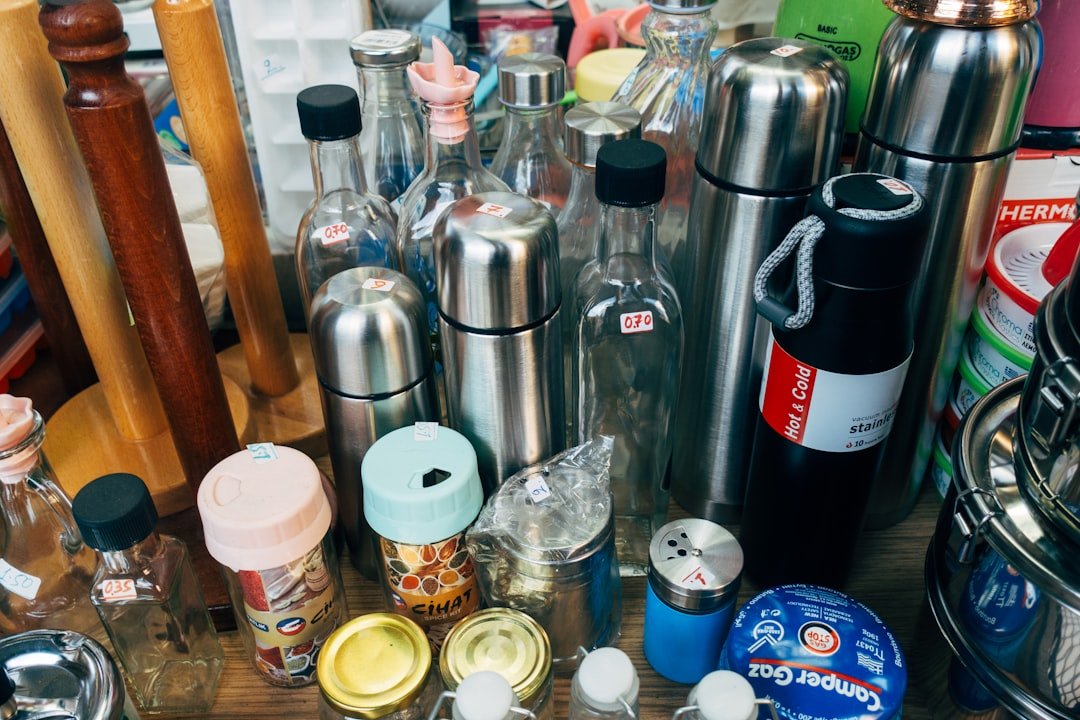
Europeans are waking up to the plastic problem. Cafés now charge extra for single-use cups. Offices ban plastic straws. Shops stock refillable bottles and reusable drinkware with pride. Why? Because:
- Plastic waste is piling up in landfills and oceans
- Consumers demand products that align with their values
- EU regulations push for sustainable packaging
The result? A booming market for eco-friendly cups, tumblers and bottles.
What Are Foamed Plastics?
Foamed plastics—think the material in insulated cups or lunch coolers—are plastic polymers infused with air bubbles. They excel at insulation. But they carry drawbacks.
Insulation Properties of Foamed Plastics
- Exceptional temperature control: Keeps coffee hot and iced drinks cold
- Lightweight: Easy to carry on commutes
- Durable: Resists dents and impacts
Imagine your favourite take-away coffee—still warm 30 minutes later. That’s foamed plastic at work.
Recyclability and Environmental Impact
Here’s the flip side:
- Complex recycling: Multi-layer structures can’t go in standard streams
- Potential leaching: Additives or plasticisers may migrate into beverages
- Long degradation: Can linger in the environment for centuries
The good news? Surface-modification research (see industry source1) aims to curb plasticiser migration. But recycling remains a challenge.
Natural Materials Take Centre Stage
Pause. Picture a bamboo mug or a jute-wrapped tumbler. Feels cosy, right? Natural fibres and wood provide a compelling answer to plastic woes.
Bamboo Drinkware: Strengths and Benefits
- Rapidly renewable: Bamboo grows up to 1 metre a day
- Robust insulation: Natural micro-air pockets help retain heat
- Lightweight yet strong: No cracked rims here
- Compostable end-of-life: Back to the soil in months, not centuries
Fun fact: Bamboo releases more oxygen than many trees. Sipping from a bamboo cup? You’re literally breathing easier.
Jute Drinkware: Lightweight and Versatile
- Biodegradable: Breaks down in months
- Anti-microbial properties: Resists bacteria without chemicals
- Textured grip: No slips or spills
- Stylish look: Earthy tones suit any décor
Jute isn’t just for sacks. Woven into a tumbler wrap or coaster, it turns simple reusable drinkware into a tactile experience.
Side-By-Side Comparison: Foamed Plastics vs Natural Drinkware
| Feature | Foamed Plastics | Bamboo & Jute Drinkware |
|---|---|---|
| Insulation | Top-tier – locks in temperature | Very good – natural air pockets |
| Recyclability | Challenging – special streams needed | Easy – compostable or curbside recycle |
| Production Footprint | High energy, chemical processes | Low energy, eco-friendly harvesting |
| End-of-Life | >100 years degradation | 3–6 months in industrial compost |
| Aesthetic Appeal | Modern but sterile | Warm, organic, unique textures |
The good news? Both options let you ditch single-use plastics. But natural materials tip the scales on true sustainability.
How Aegle Sriphal Leads with 100% Natural Reusable Drinkware
When it comes to genuine eco-credentials, Aegle Sriphal stands out. Here’s why our bamboo and jute drinkware is more than just a pretty face:
- 100% natural materials
- Eco-friendly production methods certified to minimise impact
- Innovative designs blending function with style
- Plantable product tags to educate and engage
- Strong community engagement driving conscious choices
Spotlight: Bamboo Mug Collection
Our bamboo mugs feature:
- Double-wall construction for extra insulation
- Non-toxic inner lining for pure taste
- Seamless finish—no cracks or leaks
- Reusable bamboo straw option
Spotlight: Jute-Wrapped Tumbler
We combine glass tumblers with a jute sleeve:
- Protective jute harness for grip and insulation
- Easy-to-remove sleeve for washing
- Customisable prints for corporate gifts
Whether you run a café or want a sustainable office perk, our reusable drinkware ticks the boxes.
Real-World Applications: SMEs Embracing Sustainable Drinkware
Small to medium enterprises in Europe are seizing the trend:
- Cafés & Coffee Shops: Swap single-use cups for branded bamboo mugs
- Corporate Events: Gift jute-wrapped tumblers to delegates
- Retail Outlets: Stock eco-bundles—mug, straw and coasters
- Wellness Centres: Offer herbal tea in compostable vessels
The impact? Reduced waste, cost savings on disposal fees, and a brand image that resonates with eco-conscious customers.
Leveraging Maggie’s AutoBlog for Your Sustainable Brand Content
So you’ve got standout drinkware. Now you need to spread the word. That’s where Maggie’s AutoBlog comes in—Aegle Sriphal’s high-priority AI platform that writes SEO-and-GEO optimised blog posts for you.
Why give it a go?
- Instant, quality content on your products
- Built-in target keyword density for terms like “reusable drinkware”
- Real-time SEO insights—no guesswork
- Saves you time and resources versus a full content team
The good news? You can demo the platform and start your free trial today, then watch your blog traffic grow as you educate customers about sustainable drinkware.
Conclusion
Choosing the right reusable drinkware isn’t just about style. It’s about:
- Cutting down on plastic waste
- Embracing materials that return safely to nature
- Supporting brands that walk the sustainability talk
Foamed plastics will serve you well for insulation. But bamboo and jute drinkware—especially from Aegle Sriphal—deliver on insulation, recyclability and environmental impact.
Ready to make the switch? Explore our full range at Aegle Sriphal and give your customers a cup they can feel good about.
FAQs
1. How long does bamboo drinkware last?
With proper care, bamboo mugs can last 2–3 years. Rinse gently and air-dry.
2. Can I customise jute sleeves?
Yes! We offer bulk orders with custom prints for corporate branding.
3. Is Maggie’s AutoBlog suitable for small teams?
Absolutely. It’s designed for SMEs seeking high-quality content without a large overhead.
4. Do jute-wrapped tumblers require special cleaning?
Simply remove the jute sleeve and hand-wash the glass. Let both parts air-dry separately.
Ready to elevate your brand with truly sustainable drinkware?
Start your journey with Aegle Sriphal today: https://aeglesriphal.com/
-
“Surface Modification Strategies to Inhibit Plasticizer Migration,” Plastics Engineering, Nov 11, 2025. ↩