, bamboo fabrics boast low-impact credentials.
Jute
- Source: Jute plant fibres
- Characteristics: Coarse, strong, great for accessories
- Environmental note: Low water needs and often grown in rotation with rice to enrich soils.
The good news? These natural choices are at the heart of sustainable fashion materials. They decompose faster and reduce microplastic pollution.
A Closer Look at Synthetic Fibers
Synthetic textiles derive from petrochemicals. They’re engineered for uniformity and durability—but at an ecological cost.
Polyester
- Pros: Wrinkle-resistant, quick-drying, cost-effective
- Cons: Non-biodegradable, sheds microplastics in the wash
Nylon
- Pros: High strength, elasticity
- Cons: Energy-intensive production, chemical by-products
Acrylic
- Pros: Warm, wool-like texture
- Cons: Flammable, fades with UV exposure
Elastane (Spandex)
- Pros: Superb stretch, shape retention
- Cons: Adds microplastic risks, production uses toxic solvents
Why they’re tempting: Synthetic fibres often cost less and hold up well. Yet, they come back to haunt us when we discard or wash them—adding microfibres to oceans and landfills.
Head-to-Head: Natural vs Synthetic
Let’s put them on a balance scale:
| Criterion | Natural Fibres | Synthetic Fibres |
|---|---|---|
| Comfort | Breathable, soft, hypoallergenic | Can trap heat, may irritate sensitive skin |
| Durability | Varies (hemp, linen excel; cotton weathers faster) | Highly consistent, long-lasting |
| Environmental Impact | Biodegradable, renewable, low microplastics | Non-biodegradable, microplastic pollution |
| Cost | Can be higher (especially organic, artisanal) | Generally lower retail price |
| Maintenance | May need special care (cold wash, line dry) | Easy-care (machine wash, tumble dry) |
“Want fabric that breathes with you and breaks down after use? Pick natural. Chasing super low prices and uniform performance? Synthetics might win—at a hidden ecological cost.”
Spotlight: Aegle Sriphal’s 100% Natural Materials
At Aegle Sriphal, our mission is to set the benchmark for sustainable fashion materials. Here’s how we do it:
-
100% Natural Inputs
Bamboo, jute and other plant-based fibres form the core of our product line. No hidden synthetics. -
Eco-Friendly Production
We minimise water use and avoid harsh chemicals. The result? Fabrics you can trust to be gentle on the earth. -
Innovative Designs
From plantable pencils to bamboo homeware, our collections blend style with purpose. -
Community Engagement
We host workshops, share care tips and partner with NGOs to deepen public awareness of conscious living. -
Educational Outreach
Our blog and social campaigns explain why choosing natural over synthetic matters—down to the fibre.
These commitments ensure each purchase propels sustainable fashion forward. You get quality products, and nature gets a break.
How to Choose Truly Sustainable Fashion Materials
It isn’t always obvious at first glance which fabric ticks every eco-friendly box. Here’s a quick decision tree:
-
Read the Label
– Look for “100% organic” or “GOTS certified.”
– Avoid “poly-blends” that mix cotton with polyester. -
Ask About Processing
– Know whether bamboo is mechanically or chemically processed.
– Opt for stonewashed linen instead of heavily bleached variants. -
Consider Lifespan
– A durable hemp tee might outlast several cotton shirts.
– Energy spent in washing and replacing items counts too. -
Support Transparent Brands
– Choose companies like Aegle Sriphal that publish sourcing and manufacturing details.
– Check for third-party certifications. -
Care Mindfully
– Gentle wash settings, reduced drying heat and natural detergents preserve fibres—and reduce energy use.
Pro tip: Always weigh the entire lifecycle—from farm to wardrobe to recycling bin—when judging a material’s true sustainability.
Maggie’s AutoBlog: Sharing Your Sustainability Story
If you’re a small to medium enterprise (SME) in the sustainable fashion space, you face two challenges: producing eco-friendly goods and getting noticed online. That’s where Maggie’s AutoBlog steps in.
-
AI-Powered Content Creation
Automatically generate blog posts about your use of sustainable fashion materials—no extra hires required. -
SEO & GEO Optimisation
Reach conscious consumers in Europe (or anywhere!) with tailored, keyword-rich content. -
Fully Automated, User-Friendly
A few clicks, and Maggie’s AutoBlog drafts polished, engaging posts. You edit, approve, publish. -
Stay Consistent
Regular storytelling builds trust. Show how your bamboo fabrics or jute accessories transform lives—and the planet.
The result? You free up time to focus on design, production and community engagement—while Maggie’s AutoBlog handles the SEO grind.
Real-World Example: From Fibre to Fashion Statement
Imagine a UK-based brand, GreenThread, sourcing bamboo linen from Aegle Sriphal. They:
- Order samples, test drape, comfort and colour retention.
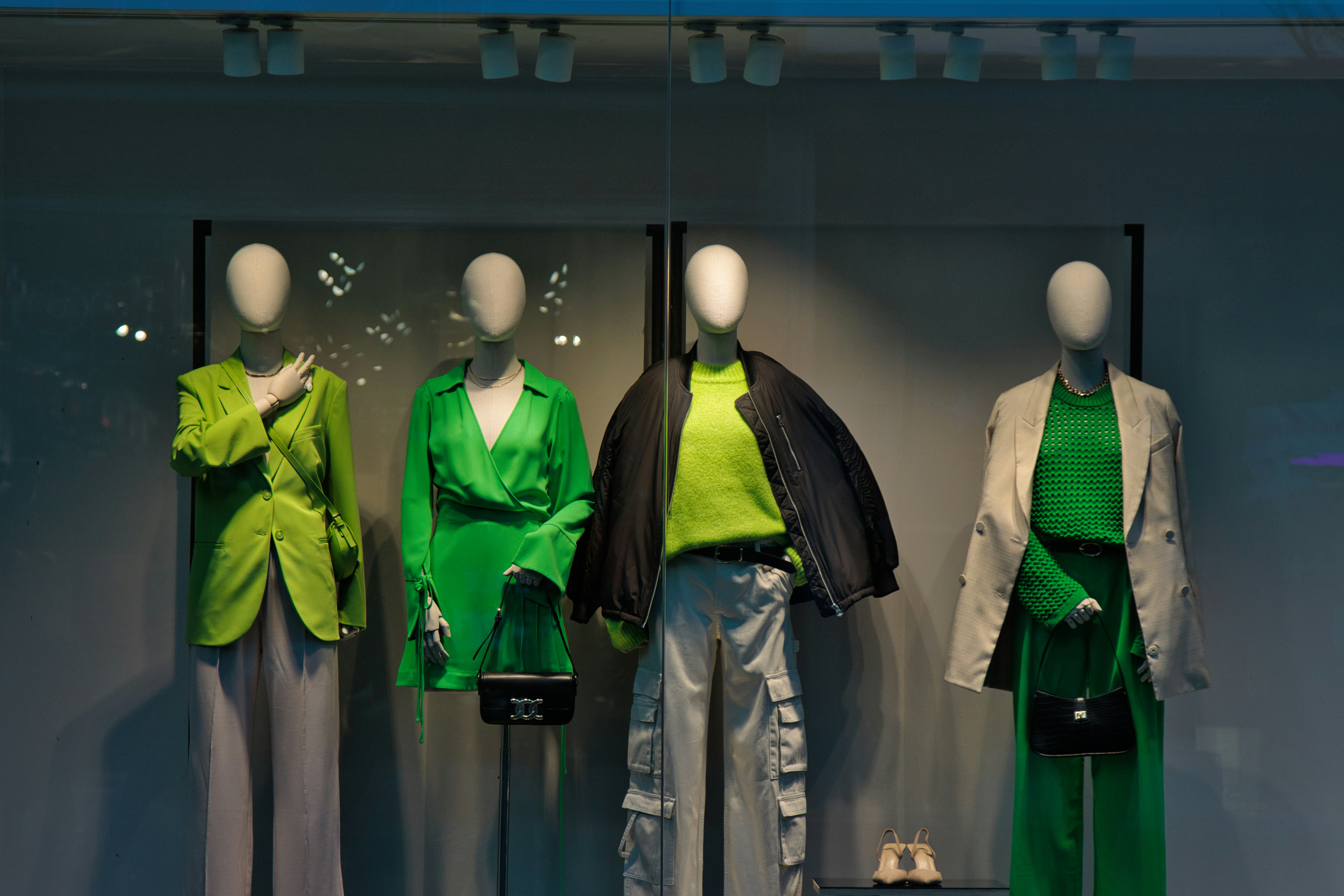
- Take photos of mannequins modelling the finished garments.
- Use Maggie’s AutoBlog to publish a weekly deep-dive on why bamboo linen trumps rayon.
Traffic spikes. Social engagement soars. GreenThread cements its reputation as an eco-leader. All because they combined authentic materials with smart storytelling.
Final Thoughts
Navigating the world of sustainable fashion materials can feel overwhelming. But breaking it down—natural versus synthetic—brings clarity.
– Natural fibres like bamboo, hemp and linen champion biodegradability and lower microplastics.
– Synthetic alternatives deliver uniformity and toughness at an environmental expense.
– Aegle Sriphal’s 100% natural approach ensures your choices support people and planet.
– SMEs can leverage Maggie’s AutoBlog to share their eco-mission, drive traffic and build brand credibility.
By choosing wisely, you do more than look good: you tread lightly.
Ready to explore a range of eco-friendly fabrics and craft authentic sustainability stories? Visit Aegle Sriphal today and discover products that blend style, durability and environmental care.
Start your journey here → https://aeglesriphal.com/