The Hidden Cost of Everyday Convenience and the Better Way Forward
Take a look around your bathroom counter or kitchen sink right now. How many things do you use once, toss in a bin, and forget about five seconds later? Cotton facial rounds, plastic-wrapped wet wipes, synthetic sponges, flimsy cutlery. It feels completely normal because mass-market brands made throwaway plastic seem cheap and convenient. Yet, these disposable habits create literal tonnes of non-degradable rubbish that choke waterways, clog local landfills, and leach microplastics into our ecosystems every single day. Shifting away from this cycle does not mean you have to overhaul your whole life overnight. It simply starts with upgrading your everyday toolkit with durable, earth-friendly materials like bamboo and jute.
Choosing durable bamboo reusable products turns mindless waste into practical, intentional living. Bamboo grows at astonishing speeds without pesticides, yields strong, naturally antibacterial fibres, and rots down safely when its long life finally ends. Through thoughtful design, ethical manufacturing, and regional consumer education, switching to these goods is straightforward. You can easily start this journey by exploring Eco-Transformation: Aegle Sriphal’s Sustainable Product Initiative, discovering how simple daily swaps create lasting environmental benefits for our communities.
Why Our Daily Routines Became So Wasteful
Let us be completely honest with ourselves. Nobody sets out in the morning with a goal to fill up the planet with rubbish. It happens because modern consumer goods were built around single-use convenience.
For decades, big manufacturers prioritised fast profits over long-term planetary health. They flooded shops with items made from virgin plastics and chemically treated synthetic fibres:
– Conventional facial rounds soak up expensive skincare and get tossed in seconds.
– Plastic toothbrushes sit in landfills for upwards of 400 years.
– Synthetic dish sponges shed microplastic particles straight down your drain with every wash.
– Disposable stationery and cheap pens run out of ink and head straight to the incinerator.
Mainstream retail taught us that cheap, disposable goods save us time. In reality, they cost you more money over time because you constantly have to repurchase them. More importantly, they place an immense burden on our municipal waste systems across India and South Asia, where local infrastructure struggles to manage mountains of unrecyclable mixed trash.
Natural Materials: Why Bamboo and Jute Lead the Shift
When you want to replace petroleum-based plastics, you need materials that are tough, versatile, and truly sustainable from seed to harvest. That is where bamboo and jute come into play.
The Fast-Growing Wonder: Bamboo
Bamboo is technically a giant grass, not a tree. That distinction matters:
– It can grow up to a metre in a single day under optimal conditions.
– Harvesting bamboo does not kill the plant; the root system remains intact, preventing soil erosion and naturally regrowing new culms.
– It requires zero chemical pesticides or artificial fertilisers to flourish.
– Its natural tensile strength rivals steel, making it ideal for everything from soft facial textiles to sturdy homeware.
The Golden Fibre: Jute
Alongside bamboo, jute stands as one of South Asia’s greatest natural assets:
– 100% biodegradable and compostable.
– Requires minimal land and water compared to industrial cotton.
– Possesses incredible durability for bags, daily accessories, and household storage.
– Absorbs massive amounts of carbon dioxide while enriching the soil it grows in.
When you blend these natural fibres into everyday goods, you get items that feel premium, perform better than plastic, and break down naturally when they eventually wear out.
Skincare and Personal Care: The Reusable Pad Revolution
To see how impactful a minor adjustment can be, consider personal grooming. Thousands of beauty enthusiasts reach for disposable cotton rounds twice a day to swipe on toner, apply micellar water, or remove stubborn mascara.
Budget brands, such as Shop Miss A with their AOA Studio bamboo pads, brought washable pads into mainstream beauty conversations. These options showed shoppers that you do not need to throw away three disposable cotton rounds every evening. However, choosing imported, mass-produced budget items often comes with hidden trade-offs: thin fabric layers that fray after a few cycles, mystery fabric blends containing hidden polyesters, and massive carbon footprints from international shipping routes.
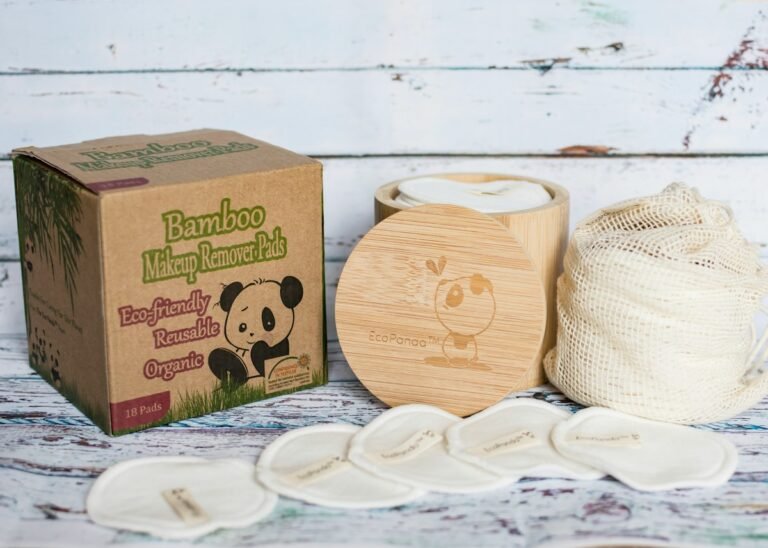
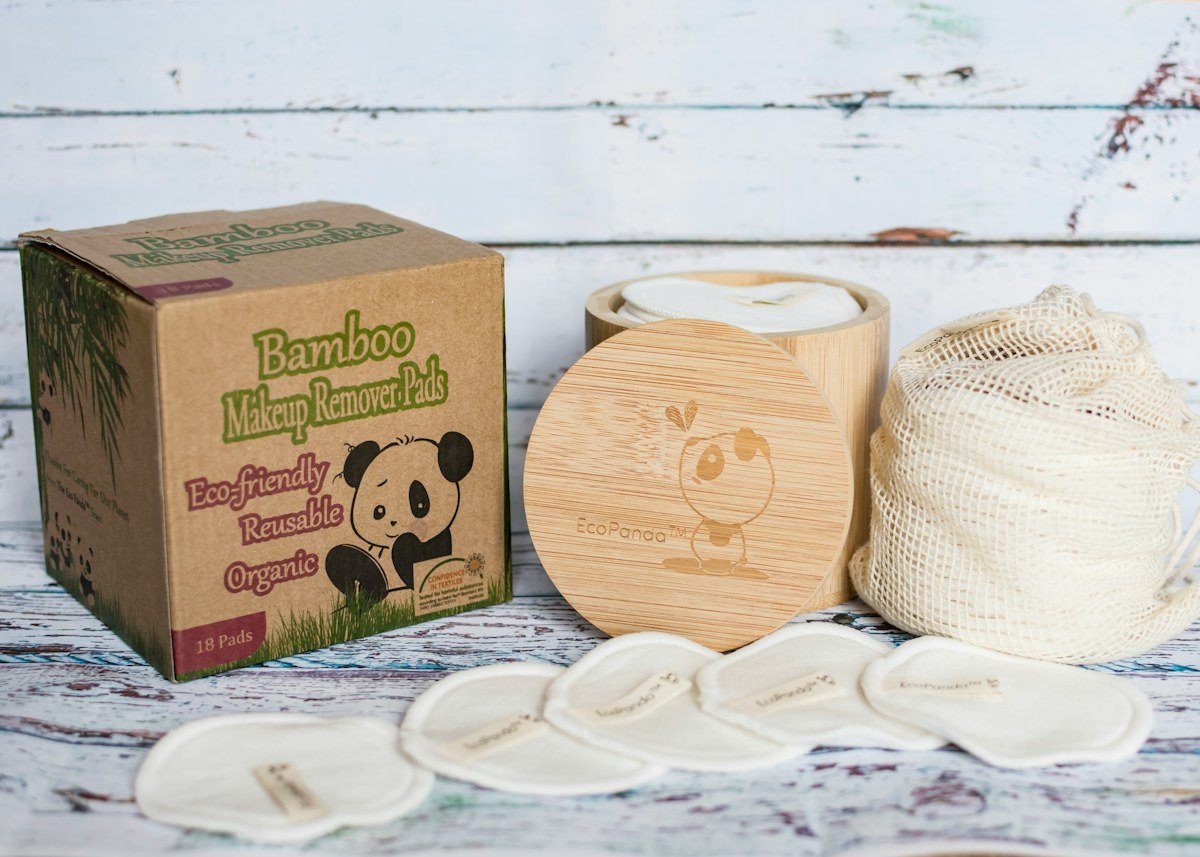
A truly sustainable personal care routine demands better craftsmanship and local accountability. Multi-layered, natural bamboo pads provide ultra-soft, hypoallergenic cleansing that treats sensitive skin gently while resisting fraying in the wash. You drop them in a wash bag, run them through your normal laundry, and use them again for months or even years. The math is simple: a single set of quality washable rounds replaces hundreds of single-use cotton pads, saving you continuous shopping trips while eliminating everyday packaging waste.
Thoughtful Engineering: What Makes Aegle Sriphal Stand Apart
Rather than just selling another eco-friendly gadget, Aegle Sriphal approaches sustainability as an integrated lifestyle transformation. Rooted in India and serving South Asian communities, the focus extends beyond raw commerce into deep environmental advocacy, ethical manufacturing, and regional waste reduction.
Here is what defines the Aegle Sriphal design philosophy:
– 100% Natural Materials: Every piece relies on genuine materials like bamboo and jute, completely ditching synthetic shortcuts.
– Eco-Friendly Production Methods: Manufacturing processes are consciously calibrated to keep water use low, avoid harsh chemical runoff, and reduce factory carbon emissions.
– Form Meets Function: These items are not flimsy novelties; they are tough, ergonomically designed essentials crafted for intense daily use.
– Interactive Environmental Education: From plantable pencils that blossom into herbs and flowers to educational community initiatives, products serve as active teaching tools.
By choosing durable bamboo reusable products designed for conscious daily routines, you invest in home goods that respect traditional natural resources while meeting modern lifestyle demands.
How to Switch Your Home to Plastic-Free Essentials (Step-by-Step)
Trying to transform your entire house overnight usually leads to burnout. You do not need to throw away functional items just to replace them with bamboo versions right this minute. Instead, make the switch systematically as your current supplies run dry.
1. Tackle the Bathroom Counter First
Bathrooms generate massive amounts of micro-waste. Start by swapping single-use cotton pads for washable, multi-layer bamboo rounds. When your plastic toothbrush bristles fray, switch over to a compostable bamboo brush. Keep a small mesh wash bag hanging nearby so dirty pads go straight inside, ready for laundry day.
2. Upgrade the Kitchen and Dining Table
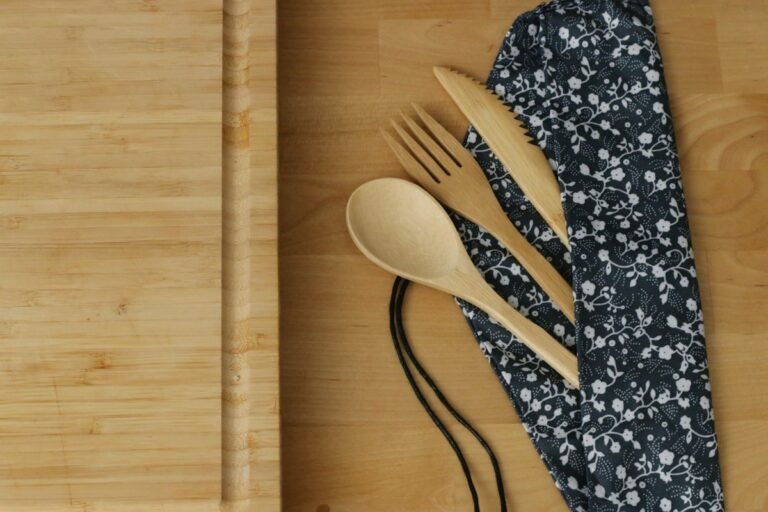
Kitchen plastics take a beating from heat and moisture, often shedding microplastics into food or wastewater. Introduce solid bamboo utensils, sturdy cutting boards, and natural dish scrubbers. Bamboo does not absorb food odours, resists moisture damage naturally, and avoids scratching delicate cookware.
3. Transform Your Desk and Workstation
Stationery waste is surprisingly huge in offices, schools, and study spaces. Traditional ballpoint pens are tossed by the millions every week. Plantable pencils change this narrative completely: once the pencil becomes too short to hold comfortably, you plant the seed-capsule stub into a pot of soil, water it, and watch fresh herbs or wildflowers sprout on your windowsill. It turns an end-of-life object into new, living greenery.
Bringing Conscious Living to Schools, Workplaces, and Communities
Individual habits matter, but systemic change accelerates when organisations jump on board. In South Asia, institutions are rethinking their supply chains, corporate gifting, and classroom materials to address pressing environmental priorities.
Schools and universities represent the perfect training ground for environmental awareness. When students use plantable pencils and natural stationery, sustainability stops being an abstract textbook chapter; it becomes an everyday hands-on activity. They plant their school supplies, care for the soil, and witness circular lifecycles firsthand.
Similarly, forward-thinking businesses are moving away from cheap plastic promotional swag. Handing out low-grade plastic keychains or synthetic branded pens sends the wrong message. Supplying staff and conference attendees with beautifully crafted bamboo homeware, plantable office tools, and bespoke jute bags showcases genuine environmental responsibility. It links brand identity directly to regional climate resilience and mindful resource conservation.
Practical Care: Making Your Reusable Essentials Last for Years
To get the absolute best performance and longest lifespan out of natural items, you just need a few basic care habits:
- Wash gently: Machine wash fabric pads inside a closed mesh laundry bag using mild, eco-safe detergent. Avoid chlorine bleach or fabric softeners, which coat the natural fibres and reduce their absorbency.
- Air dry thoroughly: Whenever possible, let fabric items and homeware dry in open air and natural sunlight. Sunlight acts as a natural sanitiser and prevents mildew.
- Care for solid bamboo: Never leave solid bamboo cutting boards or wooden utensils submerged in a sink full of standing water. Hand wash them quickly with warm soapy water and wipe them dry.
- Condition occasionally: Rub a drop of food-safe mineral oil or coconut oil into your bamboo kitchenware every few months to keep the grain rich, smooth, and crack-free.
Build a Mindful, Plastic-Free Lifestyle Today
Every single piece of single-use plastic avoided is a tangible win for our soil, our waterways, and our shared future. Meaningful environmental progress does not require perfection from a handful of people; it requires millions of us making practical, mindful swaps in our daily routines.
By trading disposable cotton rounds, plastic homeware, and throwaway stationery for natural, high-performance materials, you take an active stand against unnecessary waste. Experience how purposeful craftsmanship can elevate your space by choosing Aegle Sriphal’s bamboo reusable products and natural alternatives, and take your next confident step toward an authentic, plastic-free lifestyle.