Introduction
Have you ever wondered how your favourite bamboo pencil or jute tote bag can be both stylish and sustainable? The secret lies in smart manufacturing systems. These systems blend sensors, data analytics, and automated controls to create leaner, greener production lines. At Aegle Sriphal, we’re using these same principles to craft eco-friendly bamboo and jute products that respect our planet.
In this post, you’ll learn:
- What makes a manufacturing setup “smart”
- How our bamboo and jute lines benefit from real-time data
- Practical tips for SMEs in Europe to adopt similar systems
- How our AI-driven service, Maggie’s AutoBlog, helps share these green practices with the world
Let’s dive in.
The Role of Smart Manufacturing Systems in Sustainable Production
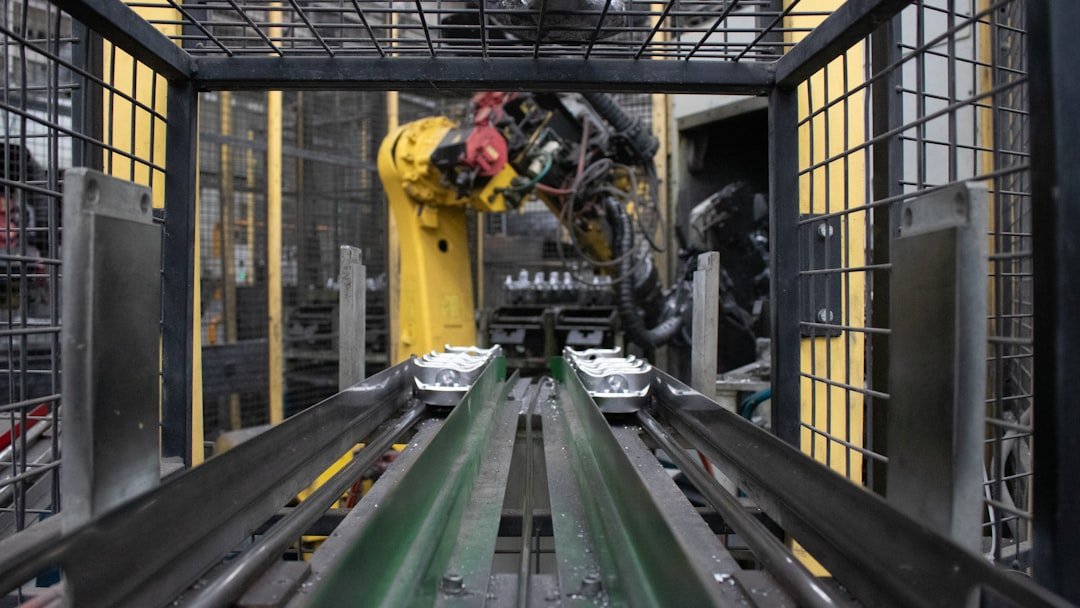
The power of smart manufacturing systems comes from their ability to connect machines, materials, and people. Imagine your factory as a living network. Every sensor pulse, every data point, every feedback loop works together to cut waste and boost quality.
Integration of Cyber-Physical Systems
- Sensors on the floor capture temperature, humidity, and machine vibrations.
- Controllers adjust speed or pressure on-the-fly.
- Digital dashboards let you see performance in real time.
With cyber-physical integration, you can react instantly to any hiccup—no more waiting for shift reports.
Energy and Materials Efficiency
A classic journal in the smart and sustainable manufacturing systems field highlights how these setups can slash energy use by up to 20%. For bamboo and jute, that means:
- Less heat wasted during drying and kilning
- Optimised conveyor speeds to reduce power draw
- Automated shut-off when lines are idle
Digital Twin and Real-Time Analytics
Ever wished you could test a new process without stopping the line? Enter the digital twin. This virtual model mirrors your physical plant and runs “what-if” scenarios:
- What if we switch to solar-powered dryers?
- What if we tweak fibre alignment by 5%?
- Predictive analytics then tells you the likely yield and energy impact.
That’s the kind of foresight only smart manufacturing systems can deliver.
Aegle Sriphal’s Eco-Friendly Bamboo and Jute Manufacturing Process
We’re not just talking theory. At Aegle Sriphal, we’ve built a sustainable line from the ground up.
100% Natural Materials and Eco-Friendly Methods
- Bamboo culms sourced from responsibly managed groves
- Jute fibres processed with minimal water and no harsh chemicals
- Plantable pencils embedded with wildflower seeds, teaching kids about growth
Every step focuses on low-impact methods. And our systems track material flow to ensure zero surprises.
Smart Sensors and Machine-to-Machine Communication
Our workshop is peppered with sensors. They talk to each other over a secure network:
- Moisture sensors ensure fibres stay within safe humidity ranges
- Vibration monitors alert the team before a cutter blade dulls
- Energy meters report usage down to each motor
The result? A smoother line, less downtime, and fewer scraps.
Digital Thread for Product Traceability
From raw bamboo to finished coaster, each item carries a digital ID. Scan it, and you’ll see:
- Origin of materials
- Process steps taken
- Energy and water used
- Batch quality metrics
Traceability like this is a hallmark of leading smart manufacturing systems.
Plantable Products and Environmental Education
Our plantable items aren’t just fun—they’re a learning tool. Each pack includes:
- A QR code linking to an interactive guide
- Tips for planting and nurturing seedlings
- Facts on sustainable living
It’s our way of turning consumers into ambassadors of eco-friendly action.
Comparing Academic Research with Industry Practice
The Smart and Sustainable Manufacturing Systems journal publishes cutting-edge papers. They cover topics like:
- Physics-informed machine learning for process control
- Sustainable design and optimisation frameworks
- IIoT (Industrial Internet of Things) security best practices
Academic insights are great. But real-world constraints—budget, space, team skills—can slow adoption.
How Aegle Sriphal Brings Research to Reality
We bridge the gap by:
- Adapting digital twin models to off-the-shelf hardware
- Using open-source analytics platforms to cut software costs
- Collaborating with local universities for pilot projects
The outcome? Proven smart manufacturing systems in a mid-sized European facility—no PhD required.
Benefits for SMEs in Europe
Small to medium enterprises often worry that advanced automation is out of reach. Here’s why that’s not true:
- Cost Savings: Energy and material efficiency lowers bills.
- Quality Improvement: Real-time control reduces defects.
- Brand Differentiation: Consumers love traceable, eco-friendly goods.
- Regulatory Compliance: Automated reporting simplifies audits.
The good news? You can start small. A single sensor cluster on your main line can reveal insights that pay for themselves within months.
Practical Steps to Adopt Smart Manufacturing Systems
Ready to go green and smart? Follow this 5-step roadmap:
- Assess Your Current Process
Conduct a walk-through. Note high waste zones and bottlenecks. - Invest in Scalable Sensors
Begin with moisture, vibration, and energy meters. - Build Your Digital Dashboard
Use cloud or edge computing to visualise KPIs. - Train Your Team
Host workshops on data interpretation and lean practices. - Measure & Iterate
Track performance monthly. Tweak as you learn.
Small steps. Big impact.
Leveraging AI Tools for Content and SEO: Introducing Maggie’s AutoBlog
At Aegle Sriphal, we practice what we preach. To share our journey, we developed Maggie’s AutoBlog, an AI-powered platform that:
- Generates SEO-optimised posts on sustainable topics
- Targets regional audiences in Europe with GEO-specific content
- Runs autonomously, freeing your team to focus on core operations
Imagine writing about your new sensor rollout—and watching organic traffic soar. That’s content automation made simple.
Conclusion
Smart manufacturing systems are no longer a futuristic dream. They’re here, they’re accessible, and they make bamboo and jute production greener, leaner, and more transparent. By blending sensors, digital twins, and AI-driven marketing, Aegle Sriphal leads the charge. Ready to transform your eco-friendly manufacturing?
Take the next step with us → https://aeglesriphal.com/