Introduction: A New Era of Sustainable Healthcare Accessories
Healthcare is changing. Clinics and practitioners are waking up to the environmental toll of traditional steam-sterilisable equipment. The carbon emissions from repeated autoclaving, the energy drain of high-temperature sterilisation, the wear on metal probes – they all add up. Now imagine if those same functionalities were wrapped in natural, biodegradable materials. That’s where reusable personal accessories take centre stage, minimising waste and championing green practices.
By embracing eco-friendly alternatives, you can reduce your clinic’s footprint and engage patients in a shared mission for the planet. Curious how you can replace conventional probes with nature-powered designs? Eco-Transformation: Reusable personal accessories for a greener tomorrow guides you through practical steps and innovative products.
The Hidden Impact of Traditional Steam-Sterilisable Probes
Energy Drain and Carbon Footprint
Autoclaves roar to life multiple times a day in busy hospitals. Each cycle uses vast amounts of electricity and water. Over a year, a mid-sized clinic can log thousands of sterilisation runs. Multiply that by institutions worldwide and the environmental cost is staggering. It’s more than just steam – it’s electricity sourced from fossil fuels in many regions, turning routine cleaning into a climate challenge.
Wear and Tear: Hidden Costs
Metal or polymer probes hold up well under heat but they’re not immortal. Repeated high-temperature cycles cause microfractures, leading to more frequent replacements. That’s more manufacturing, more shipping, more packaging – a vicious cycle of resource consumption. Even if the probes last for scores of uses, their end-of-life disposal often lands them in landfills or incinerators, releasing toxins or adding to plastic waste.
Natural Fibre Solutions: Aegle Sriphal’s Approach
Why Bamboo and Jute?
Bamboo and jute are champions of sustainability. Bamboo grows rapidly without fertilisers or pesticides. Jute thrives with minimal irrigation and replenishes soil nutrients. Both fibres boast natural antimicrobial properties, making them ideal for healthcare. They’re breathable, sturdy and fully compostable once their useful life ends. Case in point: a jute-fibre probe sleeve can be washed, reused dozens of times and then safely returned to the earth.
How Natural Fibre Covers Reduce Waste
Switching from steam-sterilisable probes to natural fibre alternatives doesn’t mean sacrificing hygiene. Advanced finishing techniques can imbue jute or bamboo fabrics with fluid-resistant coatings derived from plants. After each patient use, a quick surface clean with approved disinfectants renders the accessory ready for the next cycle. Once fibres reach end of life, you compost or plant them, closing the loop on resource use.
Product Spotlight: Aegle Sriphal’s Jute Healthcare Accessories
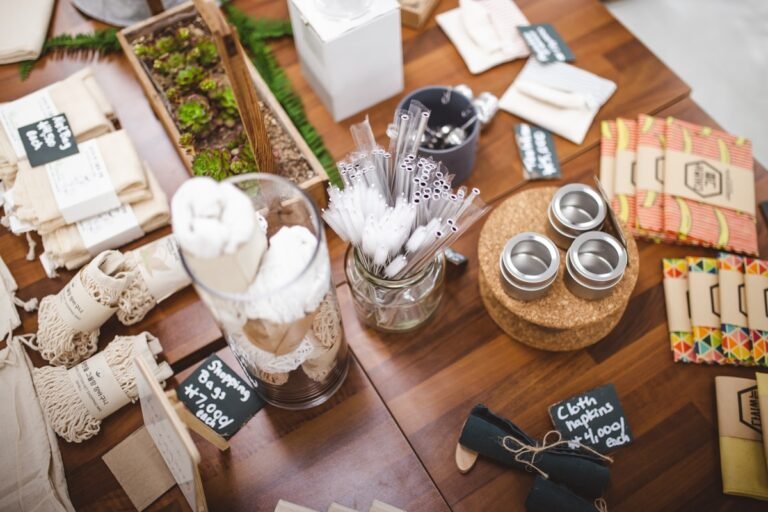
Aegle Sriphal has curated a range of reusable personal accessories tailored for healthcare settings. Each item champions natural materials, eco-friendly production and community engagement.
Jute Probe Protector Pouch
- Material: 100% natural jute fibre
- Dimensions: 12 × 4 cm, perfect for standard probe tips
- Features: Water-resistant plant-based coating; machine-washable at low temperatures
- Benefits: Protects probes in transit; cuts down single-use plastic packaging
Jute Carer’s Tote Bag
- Capacity: 10 litres, ideal for carrying multiple accessories
- Design: Reinforced handles; inner pockets for sharps cases
- Sustainability: Fully biodegradable; sourced from fair-trade cooperatives
- Use Case: Keep your reusable personal accessories organised between wards
Bamboo Instrument Case
- Composition: Bamboo fibre board with washable textile lining
- Size: 25 × 8 × 5 cm; fits small instruments like forceps, sondes
- Durability: High impact resistance; antimicrobial finish
- Lifecycle: Returnable for recycling or composting at end of use
With these items, you can kit out your practice in style, reduce plastic waste and demonstrate leadership in sustainable healthcare.
Integrating Sustainable Accessories in Healthcare Practices
Practical Steps for Clinics and Hospitals
- Audit your current probe and accessory inventory.
- Identify high-use items that can be swapped for jute or bamboo alternatives.
- Pilot a small-scale trial in one department to gather feedback.
- Develop cleaning protocols that align with fibre care guidelines.
- Track resource savings and patient satisfaction.
These steps help you manage change without disrupting patient care. Over time, reduced energy bills, lower procurement costs and an uplift in brand reputation make the shift compelling.
Engaging Patients in Green Practices
Involve patients by showcasing your reusable personal accessories. A quick note on appointment reminders about your eco-initiatives sparks conversations. Display informational posters about how bamboo and jute work. When patients see you care for the planet as much as their health, trust deepens.
Ready to transform your accessory lineup? Discover eco-friendly reusable personal accessories with Aegle Sriphal
Comparison: Conventional Probes vs. Aegle Sriphal’s Natural Fibre Accessories
Durability and Sterilisation
- Conventional probes: Withstand hundred-plus autoclave cycles but face micro-damage.
- Natural fibre covers: Designed for 50–80 gentle wash cycles, then composted; no autoclave needed.
Environmental Impact
- Conventional: High energy, water usage; plastic and metal at end of life.
- Natural fibre: Low-impact cultivation; compostable; closes resource loop.
Cost Analysis Over Time
- Initial spend on eco-accessories may be marginally higher.
- Savings grow via reduced autoclave maintenance, lower energy bills and fewer probe replacements.
Overcoming Adoption Barriers
Training and Awareness
Staff may worry about infection control. Counter this with hands-on workshops showing simple cleaning techniques and material properties. Share case studies from early adopters in local clinics or community centres.
Regulatory Compliance
Natural fibre accessories comply with many international sterilisation exemptions since they aren’t steam-sterilised. Check regional guidelines for surface disinfectant approvals and fibre safety standards. Pair your jute covers with approved disinfectants and you’re set.
Conclusion: Shaping a Greener Future in Healthcare Accessories
The era of one-size-fits-all metal probes is giving way to mindful, sustainable alternatives. By embracing reusable personal accessories made from bamboo and jute, you not only cut costs and carbon emissions but also inspire a culture of environmental stewardship in your practice. It’s a small change with far-reaching impact on patient health and planetary well-being.
Lead the charge in sustainable healthcare – it’s time to make every accessory count. Join the sustainable movement with reusable personal accessories