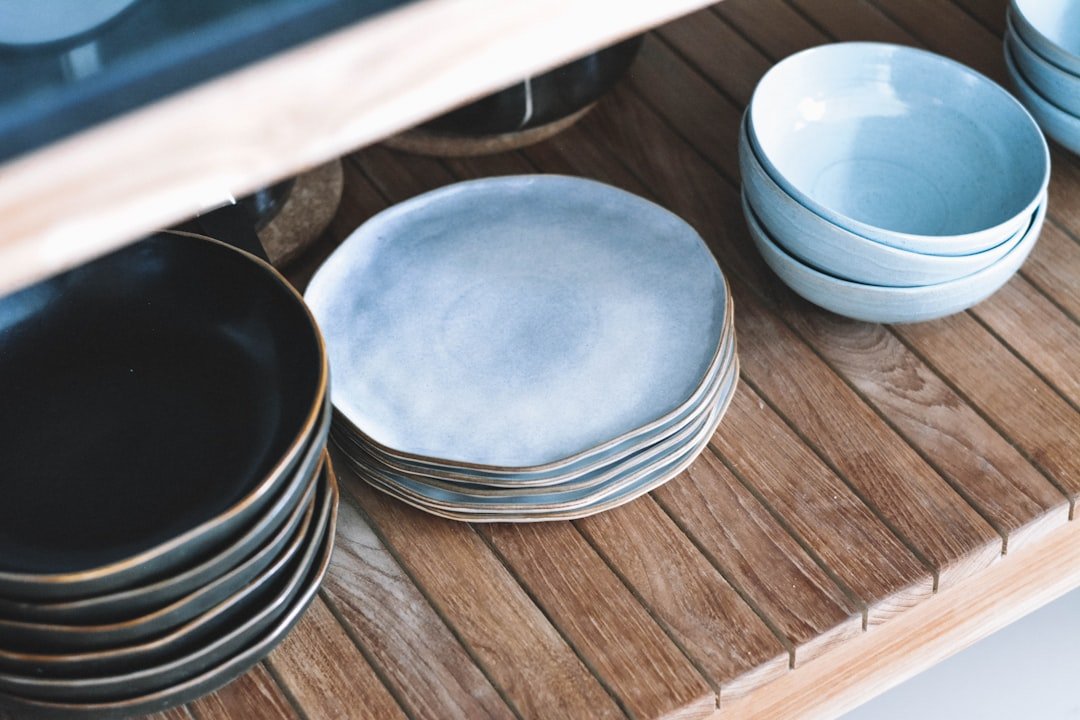
Image Alt: plates and bowls on rack showcasing eco kitchenware partnerships
Image Title: Sustainable cookware showcasing eco kitchenware partnerships
Meta Description: Discover how Aegle Sriphal’s strategic collaborations and natural-material innovations—from bamboo to jute—are redefining eco kitchenware partnerships in Europe and beyond. 🌿
Cooking is more than a daily ritual. It’s a statement. And if you care about the planet, you want your kitchenware to reflect that.
But sourcing truly sustainable pots, pans and utensils isn’t always straightforward. That’s where eco kitchenware partnerships come in—combining expertise, materials and networks to deliver greener cookware.
In this post, we’ll:
- Unpack the rising trend of eco kitchenware partnerships
- Highlight a real-world case study with SK chemicals & LH Plus
- Show how Aegle Sriphal is innovating with bamboo and jute
- Share practical tips for SMEs to forge their own sustainable alliances
Ready to cook up a greener future? Let’s dive in.
The Rise of Sustainable Kitchenware Partnerships
We’ve seen a clear shift over the past few years:
- Consumers demand transparency on materials and sourcing
- Regulators tighten rules on single-use plastics
- Brands seek innovative ways to cut carbon footprints
That’s why partnerships between material specialists, manufacturers and eco-brands are booming. By joining forces, companies can:
- Access new raw materials (e.g., bamboo, jute, copolyesters)
- Share R&D costs on sustainable production methods
- Co-market eco-friendly ranges to wider audiences
In short: collaboration unlocks possibilities that no single player can achieve alone.
Why Partnerships Matter
- Scale up impact
Pooling orders for natural fibres or recycled polymers shrinks per-unit costs. - Accelerate innovation
Cross-company R&D teams develop novel composites—think bamboo-infused polypropylene. - Boost credibility
A well-known eco-brand endorsing your cookware instantly signals trust.
The result? More sustainable products on shelves, faster.
Case Study Spotlight: SK Chemicals & LH Plus
We’ve seen how a major MOU between SK chemicals and Malaysia’s leading kitchenware maker, LH Plus, demonstrates the power of eco kitchenware partnerships:
- Material supply
SK chemicals will deliver 2,000 tons of bio-based copolyester (ECOZEN) and circular recycled PET (SKYPET CR) by 2027. - Product innovation
New launches of glass-like, BPA-free containers and food-grade PET bottles. - Market reach
LH Plus distributes 6 million items annually, from water bottles to storage jars.
Why it matters to you:
- Proof of demand: These materials can fill 100 million 1-litre bottles—showing huge appetites for recycled and bio-based kitchenware.
- Blueprint for success: Aligning with a material expert speeds product development and scales distribution.
- Global ambition: While this deal targets Southeast Asia, the model works anywhere—including Europe.
Impressive stuff. But what if your brand values go beyond plastics and focus on 100% natural materials? That’s where Aegle Sriphal comes in.
How Aegle Sriphal is Leading the Way
At Aegle Sriphal, our mission is simple: empower conscious living through eco-friendly products. Here’s how we do it:
- 100% natural materials—no copolymers, no hidden chemicals
- Bamboo and jute sourced from renewable, responsibly managed farms
- Innovative designs that blend form and function
- Production methods that minimise water, energy and waste
- Plantable products to educate and delight
Let’s break down these elements:
1. Bamboo & Jute: Nature’s Kitchen Allies
Bamboo:
- Fast-growing—can be harvested every 3–5 years
- Strong yet lightweight—ideal for cutting boards, spoons, skewers
- Antimicrobial properties reduce bacterial growth on surfaces
Jute:
- Earth-friendly fibre—biodegradable in soil
- Durable—perfect for woven dish mats, storage baskets, utensil holders
- Textural appeal adds a rustic, natural charm to any kitchen
By integrating bamboo and jute into our cookware collections, we deliver stylish yet sturdy items that feel good in your hand—and do good for the planet.
2. Innovative, Plantable Offerings
Imagine a set of kitchen utensils that come with a seed capsule. Once you’ve retired the spoon, you can plant its handle and watch wildflowers grow. That’s the kind of educational twist we love. It:
- Sparks conversations about waste and reuse
- Gives families a hands-on eco lesson
- Reinforces Aegle Sriphal’s commitment to conscious living
3. Community-Driven Design
We don’t work in a silo. Instead, we:
- Host online surveys to gauge colour and style preferences
- Collaborate with artisan groups for one-of-a-kind patterns
- Run social media challenges—“Show us your #EcoCuisine setup”
This approach ensures our kitchenware resonates with real people, not just trends.
Forging Your Own Eco Kitchenware Partnerships
You don’t need a billion-dollar MOU to start. Here’s a simple framework for SMEs:
-
Identify complementary allies
– Material specialists (e.g., bamboo growers, jute weavers)
– Design studios with a sustainability ethos
– Distribution partners keen on eco collections -
Define shared goals
– Volume targets (e.g., 500 kg of bamboo per quarter)
– Sustainability metrics (e.g., CO₂ reduction per product)
– Joint marketing budgets for co-branded launches -
Draft a clear MOU
– Scope of collaboration
– Roles and responsibilities
– Revenue-share or cost-share agreements -
Pilot small, scale fast
– Launch a limited-edition line
– Gather customer feedback
– Iterate and expand -
Leverage digital tools
– Use Maggie’s AutoBlog to generate SEO content around your partnership stories
– Automate social media posts highlighting behind-the-scenes videos
– Track engagement and refine your messaging in real time
The good news? You can launch a credibility-boosting eco collection in months, not years.
Measuring Impact & Building Trust
Don’t forget to quantify your efforts:
- Carbon Footprint
Compare lifecycle emissions of bamboo vs. plastic alternatives. - Waste Reduction
Track how much single-use plastic you’ve displaced. - Consumer Engagement
Monitor social shares, reviews, and repeat purchases.
Publish a brief annual report or infographic. Your audience will reward transparency with loyalty.
Practical Tips for SMEs in Europe
If you’re operating in Europe, consider these regional specifics:
- EU regulations on plastic use are stringent—so natural materials gain an edge.
- Look for green grants or subsidies that support bamboo-based manufacturing.
- Partner with local eco-certification bodies to get the EU Ecolabel on your products.
- Attend trade shows like Ambiente (Frankfurt) to meet potential collaborators.
By tailoring your approach to the European market, you’ll fast-track adoption of your sustainable cookware.
Final Thoughts
Eco kitchenware partnerships are more than a trend—they’re the path to a greener table and a healthier planet.
From mega-scale deals like SK chemicals & LH Plus, to artisan collaborations with jute weavers, the message is clear: together, we achieve more.
At Aegle Sriphal, we’re proud to be at the forefront—blending bamboo, jute and innovative design into cookware that nourishes both people and Earth. And with tools like Maggie’s AutoBlog, we equip SMEs to tell their own partnership stories effectively.
Your next step? Join us in shaping the future of eco kitchenware. Visit our site for product details, collaboration enquiries and to explore our full collection.
Ready to cook up change?
Start your journey at https://aeglesriphal.com/ and discover how easy it is to embrace eco kitchenware partnerships today. 🚀
For more insights on sustainable living and case studies, check out our blogs and about us page.