Why Bamboo Fiber Tees Matter
You’ve seen them popping up everywhere: soft, smooth, nearly silk-like tees labelled as “bamboo.” But what makes bamboo fiber tees a cornerstone of sustainable lifestyle clothing?
- Rapid renewability: Bamboo can grow up to 91 cm in a single day. No replanting needed.
- Low water usage: Compared to cotton, bamboo uses up to 50% less water.
- No nasty chemicals: Many bamboo fabrics are made via closed-loop systems that recycle solvents.
- Biodegradability: At end of life, bamboo tees return to soil, not landfill.
For anyone curating a sustainable lifestyle clothing drawer, bamboo stands out. Imagine a tee that feels airy on a summer’s day and yet robs nothing from future generations. That’s why I’m a fan.
Eco Impact Compared to Traditional Tees
Let’s break down how bamboo tees clash with your average cotton tee:
- Cotton: heavy irrigation, pesticides, soil depletion.
- Bamboo: minimal irrigation, no pesticides, regenerates naturally.
- Production: bamboo uses closed-loop processing, cotton often uses open systems.
- Waste: bamboo waste is compostable—cotton tags often end up in landfills.
A 2018 environmental study showed that bamboo cultivation reduces soil erosion and supports local biodiversity. That’s a win for you and the planet. It’s not just clothes; it’s sustainable lifestyle clothing that drives conscious living.
Comfort, Breathability, and Style
Aside from being an eco-hero, bamboo fiber tees perform in all the right ways:
- Moisture-wicking: Bamboo fibres pull sweat away from your skin.
- Antibacterial: Less stink after jogs or long workdays.
- Thermoregulating: Keeps you cool when it’s hot, cosy when it’s cool.
- Softness: Feels like a luxury tee—but without the carbon hangover.
Seriously, you don’t have to sacrifice comfort for conscience. I’ve worn bamboo tees on hikes, in board meetings, and even to bonfires. They hold up. They wash well. They’re my go-to for casual and smart-casual alike.
Aegle Sriphal’s Sustainable Goods Beyond Clothing
Okay, so maybe you’re thinking: “Great, I need a bamboo tee. But what else?” Aegle Sriphal has you covered with a wider range of eco-friendly products that blend functionality with nature:
- Plantable Pencils: Once you’ve exhausted the lead, plant the stub for wildflowers.
- Bamboo Homeware: Cutting boards, utensils, even toothbrushes—durable and guilt-free.
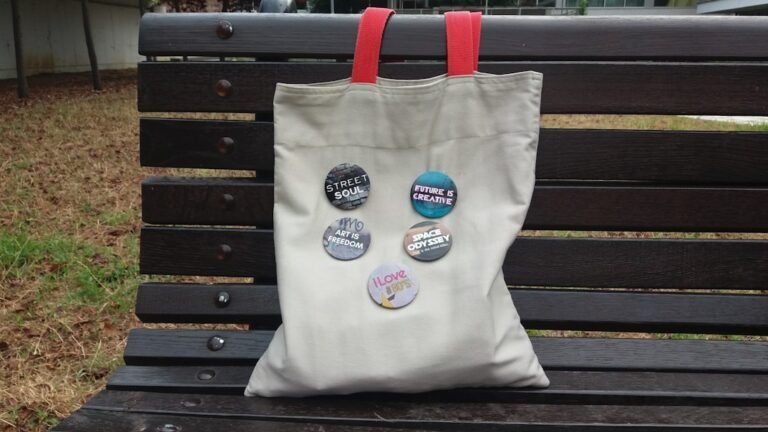
- Jute Bags and Accessories: Strong, washable, and fully compostable.
These offerings underscore why Aegle Sriphal champions a holistic vision of sustainable lifestyle clothing and home goods. Every item is 100% natural, crafted to reduce environmental impact. It’s not just about apparel—it’s about living mindfully, from your pencil pot to your t-shirt drawer.
Discover More Eco-Friendly Finds
How to Choose Truly Sustainable Tees
Not all “bamboo” tees are created equal. Here’s what I look for:
- GOTS Certification: Guarantees organic production from farm to factory.
- Blend Ratio: Aim for 70–100% bamboo. Lower blends might dilute benefits.
- Processing Method: Closed-loop systems (like Lyocell) over harsh chemical methods.
- Origin Transparency: Brands that share farm and factory details earn extra brownie points.
- Fair Trade: Ethical labour practices should be non-negotiable.
Armed with these pointers, you can sniff out greenwashing. Because honesty matters when curating your sustainable lifestyle clothing collection.
Care Tips: Extend Your Tee’s Lifespan
Longevity is the final frontier in sustainability. Here’s how to make your bamboo fiber tees last:
- Wash in cold water.
- Use gentle, eco-friendly detergents.
- Air-dry when possible.
- Store folded to avoid shoulder stretching.
- Spot-treat stains instead of full washes.
Treat them well, and these tees will outwear several cotton alternatives—fewer replacements, less waste.
A Head-to-Head with a Popular Cotton Tee
You might’ve spotted the Awakening Heart Community unisex tee from Dallas Meditation Center. Nice design. Soft cotton. They even make them on demand, cutting down bulk waste. Props for that.
But let’s compare:
Strengths of the Dallas Meditation Center Tee:
– 100% combed, ring-spun cotton feels smooth.
– On-demand production reduces overstock.
– Ethical sourcing from Central America.
Limitations:
– Cotton still demands heavy irrigation and pesticides.
– Fabric weight (142 g/m²) can feel heavy in humid climates.
– No antimicrobial or moisture-wicking properties.
Why bamboo tees outrank:
– Resource efficiency: Bamboo thrives with rainwater.
– Performance: Natural breathability, odour control, quick-dry.
– Soil impact: Bamboo roots prevent erosion; cotton can degrade land.
By choosing a bamboo fiber tee over a standard cotton piece, you’re making a tangible step towards reducing your environmental footprint. That’s mindful living in action.
Innovative Tools for Businesses
If you’re a small or medium enterprise looking to showcase eco-friendly apparel, check out Maggie’s AutoBlog. It’s an AI-driven platform that auto-generates SEO and GEO-targeted blog content. Perfect for boosting your sustainable clothing line online without hiring a full editorial team.
Key perks:
– Real-time SEO optimisation.
– Customisable tone and keywords.
– Automated scheduling.
Maggie’s AutoBlog helps you spread the word about sustainable lifestyle clothing—while you focus on design and production.
Wrapping It Up
Switching to bamboo fiber tees is more than a trend. It’s a statement: you value comfort, style, and the planet. Paired with Aegle Sriphal’s wider range of natural products—from plantable pencils to jute bags—you’ve got a toolkit for mindful living.
Ready to build a greener wardrobe and home?