Meta Description: Discover leading Indian eco-friendly fashion brands using bamboo and jute fabrics for sustainable apparel. Learn how Jiwya, JuteBags.com, and The Bamboo Company are driving conscious living.
Why Bamboo and Jute Are Game-Changers for Sustainable Fashion
India has long been a hub for textile innovation. Today, bamboo and jute fabrics are rewriting the rules of eco-fashion—without sacrificing style or quality.
- Renewable and fast growing: Bamboo shoots up like wildfire. Jute thrives in tropical fields.
- Biodegradable: At the end of its life cycle, fabric returns to the soil.
- Low water use: Bamboo needs little irrigation. Jute fields replenish nutrients naturally.
- Versatile textures: From silky bamboo blends to rugged, rustic jute weaves.
The result? Apparel and accessories that look great, perform well, and tread lightly on the planet.
1. Jiwya: Crafting “Soil-to-Soil” Couture
By Aishwarya Lahariya, MS ’19 (Cornell College of Human Ecology)
Jiwya burst onto the scene after a six-month, 11,000-mile journey across India, where founder Aishwarya Lahariya met artisan clusters to co-create every piece. The outcome is a true soil-to-soil ecosystem:
- Every fiber — from organic cotton to bamboo blends — returns nutrients to the earth.
- Buttons, dyes, and packaging are 100% compostable.
- Artisans record saved water, electricity, and carbon data for each garment.
- Designs span blouses, dresses, shirts, skirts, shorts and jumpsuits (prices: USD 350–430 for dresses; shirts start at USD 150).
Key Highlights:
- Inclusion: Specially-abled adults learn leaf-printing in community workshops.
- Transparency: Hour-by-hour craft details on the website.
- Re:Jiwya Program: Repair, revamp, upcycle or compost for store credit.
Jiwya isn’t just a brand. It’s a movement. A reminder that fashion can be gentle on the planet.
2. JuteBags.com: Elevating Everyday Accessories
JuteBags.com has made jute mainstream—one bag at a time. Their durable totes, clutches, and backpacks blend style with sustainability:
- Sourced from coastal farms in West Bengal.
- Hand-woven by cooperative weaver groups.
- Lightweight, water-resistant finish.
- Customisable prints and corporate branding options.
Why it matters:
- Each jute bag replaces dozens of plastic carriers.
- Profits support rural artisan networks.
- Expanding into jute apparel linings and home textiles.
For SMEs and retailers, JuteBags.com offers a quick path to eco-friendly accessories that resonate with conscious consumers.
3. The Bamboo Company: Supplying the Fabric of the Future
The Bamboo Company focuses on raw and semi-processed bamboo fibers for designers and manufacturers:
- Viscose bamboo yarn with a silk-like drape.
- Blended textiles: bamboo-cotton, bamboo-silk, bamboo-linen.
- Certifications: Oeko-Tex, FSC, GOTS-compliant.
Applications:
- Premium scarves and shawls.
- Breathable summer shirts.
- Soft baby clothing and undergarments.
By supplying high-quality bamboo textiles, they empower fashion labels to launch their own green collections—without reinventing the wheel.
4. Innovations and Insights: How Brands Are Pushing Boundaries
The shift toward bamboo and jute isn’t just about swapping fibers. It’s about rethinking the entire supply chain:
-
Closed-Loop Dyeing
– Recycles 90%+ of water.
– Uses plant-based pigments. -
Artisan Clusters
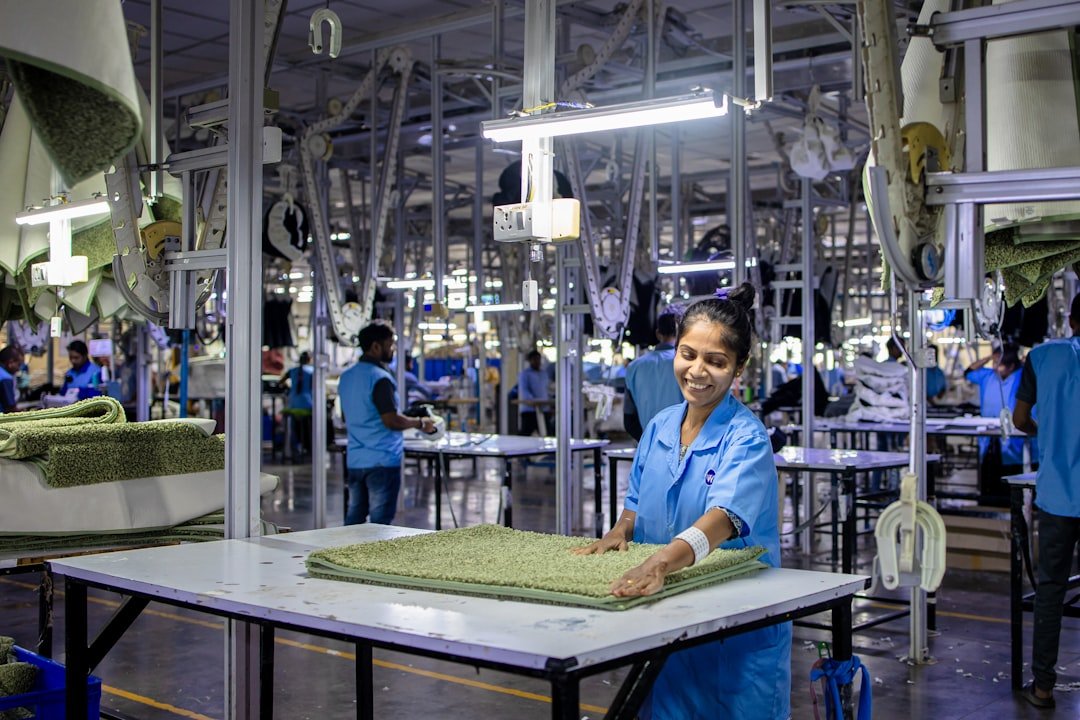
– Economies of scale for rural communities.
– Shared resources: looms, spinning wheels, dye vats. -
Digital Traceability
– QR codes on labels link to real-time production data.
– Consumers scan to see carbon footprint and craft time. -
Modular Design
– Mix-and-match pieces extend wardrobe life.
– Repair kits and tutorials for DIY fixes.
5. Boost Your Eco-Fashion Brand’s Online Presence
Spotlighting your sustainable efforts is crucial. Consumers want stories, numbers, proof. Here’s a 3-step approach to amplify your brand:
- Define your unique selling points: artisan welfare, zero-waste processes, biodegradable packaging.
- Gather visual assets: high-res photos, behind-the-scenes videos, artisan interviews.
- Create SEO-focused content: product pages, blog posts, social updates.
Sounds time-consuming? It doesn’t have to be.
Meet Maggie’s AutoBlog: AI-Powered SEO Content for Eco Brands
If you’re an SME launching bamboo or jute collections, you need fresh, optimized content—fast. Maggie’s AutoBlog automates that:
- Generates SEO and GEO-targeted blog posts.
- Integrates your product catalog and brand voice.
- Delivers ready-to-publish drafts in minutes.
- Frees your team to focus on design and production.
The result? Your eco-friendly story reaches the right customers—without the overhead of a content team.
Conclusion
India’s bamboo and jute innovators prove that sustainable fashion can be stylish, scalable, and socially responsible. From Jiwya’s soil-to-soil couture to JuteBags.com’s rural-artisan uplift, these brands are lighting the path forward.
Your brand can join them. And with tools like Maggie’s AutoBlog, you can spotlight your bamboo-jute collections, educate your audience, and drive sales—all with minimal effort.
Ready to amplify your eco-fashion brand?
Visit Aegle Sriphal to explore Maggie’s AutoBlog and start your free trial today.
Empower your brand. Engage conscious consumers. Enhance sustainability—one AI-powered blog at a time.