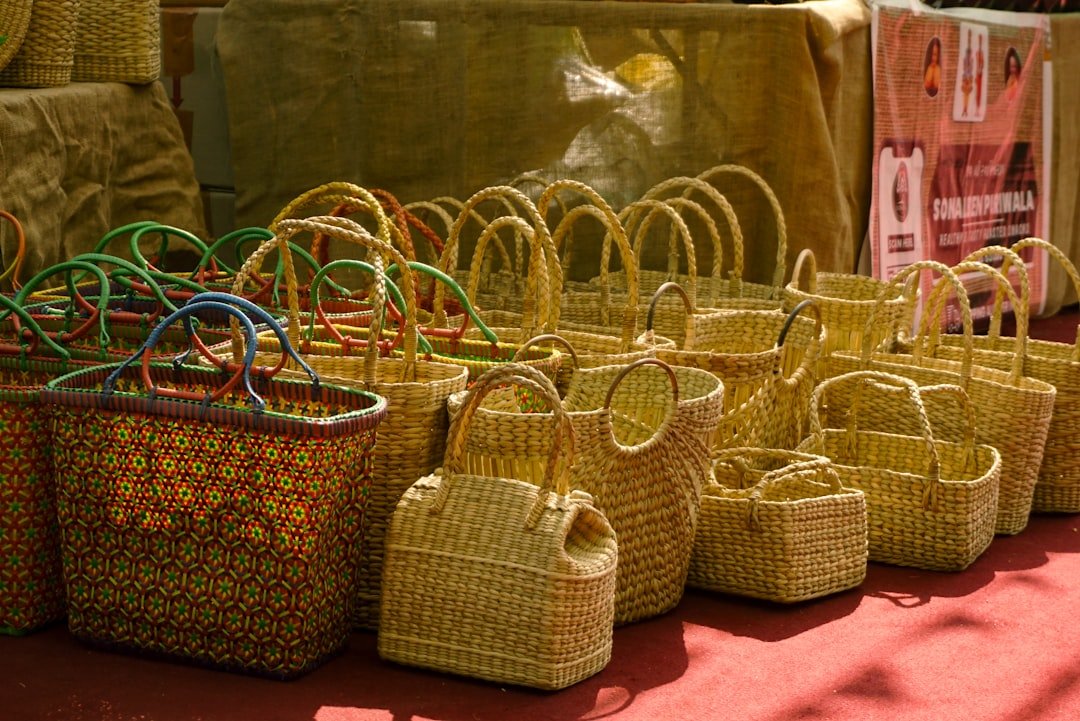
alt: Woven straw baskets with colorful handles displayed
title: Woven straw baskets with colorful handles displayed
SEO Meta Description:
Get an in-depth look at sustainable fibers like bamboo, jute, and cork and learn why they outperform synthetics in eco-friendly applications.
Introduction
Eco-conscious consumers and small to medium enterprises (SMEs) across Europe are embracing natural fibers products to reduce environmental impact and build distinctive, eco-friendly brands. From sleek bamboo toothbrushes to rustic jute tote bags, these materials offer functionality, style, and a smaller ecological footprint compared to synthetic alternatives.
In this guide, we’ll cover:
- What makes natural fibers special
- Top sustainable fiber types: bamboo, jute, cork, and more
- Real-world benefits for your business
- Tips on marketing and production
- How to streamline SEO and content creation with Maggie’s AutoBlog
Let’s dive in.
Natural Fiber Basics
Natural fibers come from plant-based or animal-based sources. Unlike petrochemical-derived synthetics, natural fibers products typically require:
- Fewer harmful chemicals
- Lower energy and water usage
- Faster biodegradation at end-of-life
Here’s what you need to know:
- Plant-Based Fibers
– Extracted from crops like cotton, flax, hemp, and bamboo
– Offer varying textures and strengths - Animal-Based Fibers
– Sourced from wool, silk, alpaca, and cashmere
– Known for warmth, softness, and luxury feel
Why Choose Natural Fibers Products?
-
Environmental Impact
– Reduced carbon footprint
– Lower chemical runoff
– Renewable, often carbon-negative crops (e.g., hemp) -
Consumer Appeal
– Aligns with conscious living trends
– Adds perceived value and authenticity
– Fosters brand loyalty among eco-minded audiences -
Functional Benefits
– Breathable, moisture-wicking textiles
– Durable and long-lasting
– Naturally antimicrobial properties (e.g., bamboo)
Top Natural Fibers to Explore
1. Bamboo
- Rapidly renewable: grows up to one metre per day
- Requires no pesticides, minimal water
- Naturally antibacterial and moisture-wicking
- Used in: toothbrushes, kitchenware, textiles
2. Jute
- Strong, coarse fibre from the jute plant
- Biodegradable burlap sacks, rugs, tote bags
- Grows quickly with minimal fertiliser
- Excellent choice for sturdy natural fibers products
3. Cork
- Harvested from cork oak bark without felling trees
- Highly renewable: tree bark regenerates every 9–12 years
- Lightweight, water-resistant, and hypoallergenic
- Emerging in fashion, upholstery, and sustainable décor
4. Organic Cotton
- Grown without synthetic pesticides or fertilisers
- Soft, breathable, versatile
- Popular in apparel, bedding, and face masks
5. Linen (Flax)
- Durable, long-lasting, and naturally pest-resistant
- Requires minimal water and no pesticides
- Excellent for apparel, table linens, and home textiles
6. Lyocell (Tencel)
- Regenerated cellulose from wood pulp
- Closed-loop chemical process recycles solvents
- Soft, breathable, and biodegradable
7. Hemp
- Carbon-negative crop: absorbs CO2 during growth
- High-yield, drought-resistant
- Rugged textiles, ropes, and paper
8. Banana Fiber
- Extracted from banana plant leaf sheaths
- Low-energy extraction, minimal water usage
- Developing niche for textiles and paper
9. Silk
- Luxurious filament from silkworm cocoons
- Delicate drape, high sheen
- Natural breathability
10. Wool
- Animal-sourced: sheep, alpaca, cashmere, mohair
- Excellent insulation, moisture management
- Biodegradable and renewable with ethical sourcing
Bringing Natural Fibers Products to Market
Production Best Practices
- Source certified raw materials (e.g., GOTS-certified cotton)
- Partner with eco-friendly mills and workshops
- Implement transparent supply chains for traceability
Design & Innovation
- Blend traditional craftsmanship with modern utility
- Experiment with fibre blends for enhanced performance
- Develop plantable tags or seed-infused packaging
Pricing & Positioning
- Reflect true environmental costs
- Educate customers on long-term value vs. cheap synthetics
- Highlight unique selling propositions (USPs) on labels and site
Aegle Sriphal’s Eco-Friendly Edge
Aegle Sriphal stands out with:
- 100% Natural Materials: All products use exclusively bamboo, jute, cork, and other sustainable fibers
- Eco-Friendly Production: Minimal waste, water recycling, and low-impact dyes
- Innovative Designs: From plantable pencils to stylish bamboo homeware
- Community Engagement: Workshops and campaigns to educate on conscious living
- Plantable Products: Encourage environmental education and hands-on involvement
These USPs not only deliver premium natural fibers products but also foster long-term consumer loyalty.
Marketing Your Sustainable Line
- Storytelling
– Share the origin of your fibers
– Show artisans and production photos - Educational Content
– Blog posts on fibre benefits
– DIY tutorials using your products - Social Media & Influencers
– Collaborate with eco-influencers
– Use hashtags like #EcoFriendly, #ConsciousLiving, #SustainableGoods - B2B Partnerships
– Offer bulk kits to schools, NGOs, and corporations for workshops
– Position as educational tools for sustainability programmes
Supercharging SEO & Content with Maggie’s AutoBlog
Creating compelling content around natural fibers products can be time-consuming. That’s where Maggie’s AutoBlog comes in:
- AI-powered platform for SEO and GEO-targeted blog creation
- Automatic keyword optimisation (including natural fibers products)
- Real-time insights and fully automated publishing
- Ideal for SMEs seeking online visibility without a full content team
The good news? You can focus on product innovation while Maggie’s AutoBlog handles your content pipeline—ensuring you rank for sustainability-focused keywords and drive organic traffic.
Practical Tips for SMEs
- Audit existing product descriptions for eco-keywords
- Update alt-text on images (e.g., “Organic bamboo toothbrush”)
- Leverage customer reviews to highlight natural fibre benefits
- Track metrics: monitor search rankings, click-through rates, and conversions
Conclusion
Switching to natural fibers products isn’t just a trend—it’s a strategic move toward sustainability, brand differentiation, and long-term growth. By choosing materials like bamboo, jute, and cork, you minimise environmental impact and meet rising consumer demand for eco-friendly goods.
Ready to boost your sustainable product line and drive more traffic? Start crafting SEO-optimised content effortlessly with Maggie’s AutoBlog.
Call to Action:
Explore our eco-friendly range and start your journey toward a greener tomorrow at Aegle Sriphal.