alt: a green glass bottle sitting on top of a wooden table
title: BPA free bottles
Meta Description: Learn what BPA-free bottles really mean, explore health impacts of bisphenols, and discover how Aegle Sriphal’s bamboo and jute drinkware provides a truly non-toxic, sustainable alternative to conventional BPA-free options.
Whether you’re packing lunch for work, hitting the gym or strolling through the park, you want peace of mind. That means knowing your drinkware is truly non-toxic, not just labelled BPA free. Today, we’ll break down what BPA-free bottles mean, why you shouldn’t stop at the label, and how Aegle Sriphal’s bamboo and jute drinkware brings you a genuinely natural, eco-friendly solution.
Understanding BPA: The Basics and Health Impacts
What Is BPA?
- Bisphenol A (BPA) is an industrial chemical used since the 1960s.
- Found in polycarbonate plastics, epoxy resins and countless everyday items.
- Common sources: water bottles, food can linings, kitchen utensils, receipts.
Why the Concern?
- BPA can leach into food and drink when plastics are heated, scratched or washed repeatedly.
- Studies link long-term exposure to:
- Hormonal disruption
- Heart disease
- Reproductive disorders
- Obesity and diabetes
- In 2012, the FDA banned BPA in baby bottles, but many adult products remain in circulation.
Regulatory Perspective
- Europe has stricter BPA limits than the US, yet definitions of “safe” vary.
- Surveys show many products marked BPA free still contain related bisphenols like BPS or BPF.
- Reality check: “BPA-free bottles” doesn’t guarantee zero bisphenols.
BPA-Free: What’s Really in the Label?
Seeing BPA-free on a bottle sounds reassuring. But:
- Many plastics labelled BPA free use alternative bisphenols (BPS, BPF) with similar risks.
- Recycle codes 3 and 7 often conceal these chemicals.
- The bottle may be free of BPA, yet still not non-toxic when heated or scratched.
Your action plan:
- Look beyond “BPA-free” wording.
- Ask for third-party testing or certifications.
- Consider truly natural materials—ones that never carry bisphenols.
Side-by-Side: Conventional BPA-Free Bottles vs Aegle Sriphal’s Natural Drinkware
Let’s compare the popular industrial approach to BPA-free bottles with Aegle Sriphal’s sustainable alternatives.
1. Materials and Processing
- Conventional BPA-Free Bottles
- Made from polycarbonate, stainless steel or glass.
- Manufacturing involves high-energy processes, potential chemical coatings.
- Aegle Sriphal’s Bamboo & Jute Drinkware
- Crafted from 100% natural bamboo and jute fibers.
- Eco-friendly production minimises water and energy use.
- Plantable product elements support circularity.
2. Health and Safety
- Conventional BPA-Free Bottles
- Free of BPA but may contain bisphenol analogues.
- Risk of leaching when exposed to heat or acidic drinks.
- Aegle Sriphal’s Bamboo & Jute Drinkware
- No plastics.
- Natural antimicrobial properties of bamboo.
- Biodegradable and compostable at end-of-life.
3. Environmental Impact
- Conventional BPA-Free Bottles
- Steel and glass are recyclable but fossil-fuel energy is intensive.
- Coatings can hinder recycling streams.
- Aegle Sriphal’s Bamboo & Jute Drinkware
- Rapidly renewable bamboo crop.
- Jute requires minimal fertiliser and water.
- Zero-waste manufacturing and plantable packaging.
4. Aesthetic and Functionality
- Conventional BPA-Free Bottles
- Sleek, modern designs (e.g., waterdrop® steel bottles).
- Range of colours and insulated options.
- Aegle Sriphal’s Bamboo & Jute Drinkware
- Warm, organic finish—each piece is unique.
- Lightweight, strong, and ideal for hand-washing.
- Great for branding or corporate gifting in eco-conscious markets.
Why Bamboo and Jute Shine as Drinkware Choices
The Power of Bamboo
- Fast-growing: Reaches maturity in 3–5 years.
- Strong and Light: Comparable to hardwoods, yet much lighter.
- Natural Antimicrobial: Inhibits bacterial growth on surfaces.
- Compostable: Returns nutrients to soil.
The Benefits of Jute
- Insulation: Keeps hands cool when holding hot drinks.
- Grip: Natural fiber texture avoids slipping.
- Biodegradable: Breaks down in months, not centuries.
- Aesthetic Appeal: Rustic charm for eco-friendly branding.
Spotlight on Aegle Sriphal’s Drinkware Collection
-
Bamboo Tumbler
– 100% natural bamboo exterior.
– Food-grade stainless steel liner for guaranteed no-leach performance.
– Bamboo lid with silicone seal—no bisphenols. -
Jute-Wrapped Glass Bottle
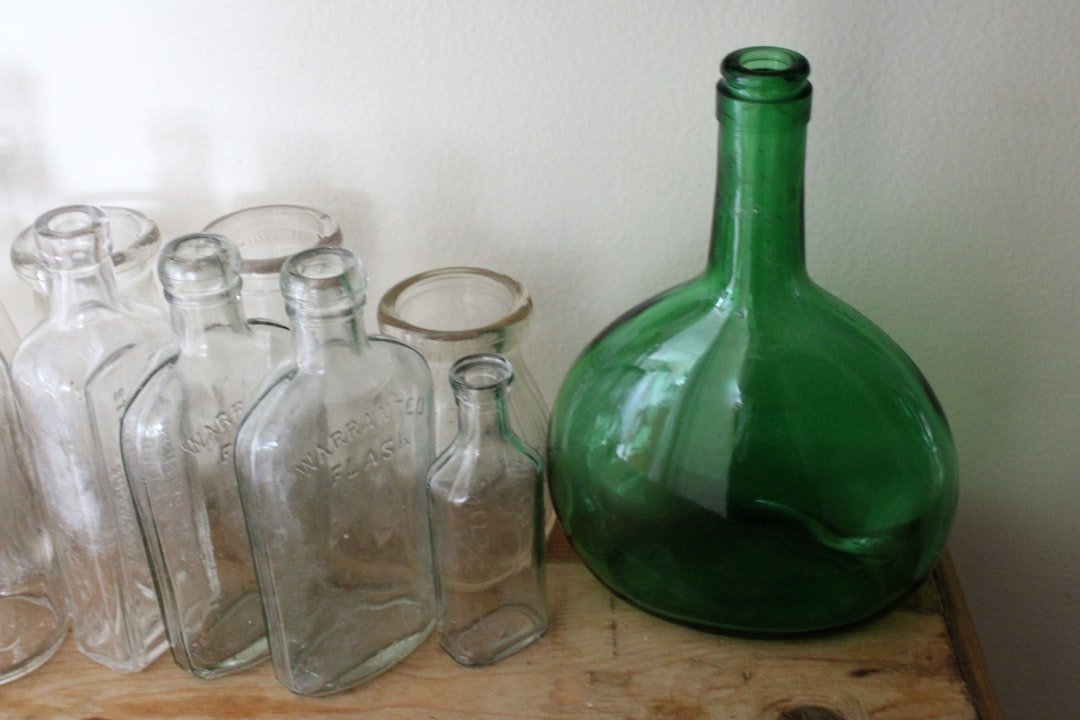
– Borosilicate glass core (BPA free bottles alternative!).
– Handwoven jute sleeve for insulation and style.
– Wide mouth for easy filling and cleaning. -
Plantable Gift Box
– Seed-embedded paper packaging.
– After unboxing, plant the box to grow wildflowers.
– Educates consumers on circular living.
“In choosing bamboo and jute, we eliminate hidden toxins and offer a truly natural way to stay hydrated.”
—Aegle Sriphal Team
How to Choose Truly Non-Toxic Drinkware
- Inspect the Material
– Glass, stainless steel and bamboo are top picks.
– Avoid any plastic marked with recycle code 3 or 7. - Seek Certifications
– Look for BPA-free bottles tested to EU and US standards.
– Check for organic or eco-certifications on bamboo/jute. - Consider the Lifecycle
– Can you compost or recycle it easily?
– Does packaging support environmental education?
Practical Tips to Stay BPA-Free Every Day
- Never microwave or dishwash PVC or polycarbonate containers.
- Avoid canned foods with epoxy resin linings.
- Choose loose-leaf tea over tea bags that use BPA-lined filters.
- Carry a BPA-free bottle or natural tumbler—like Aegle Sriphal’s bamboo range.
- Support brands that share ingredient and process transparency.
Final Thoughts
BPA poses real health risks—even when products claim BPA free. The good news? You don’t have to settle for half-measures. By switching to drinkware made from bamboo and jute, you:
- Eliminate hidden bisphenols.
- Reduce plastic waste.
- Embrace renewable, compostable materials.
- Support a brand committed to eco-education and community.
The bottom line? True safety comes from natural materials, not just labels. And that’s precisely what Aegle Sriphal delivers with every bamboo tumbler and jute-wrapped bottle.
Ready to ditch plastics for good?
Explore our bamboo and jute drinkware collection today → https://aeglesriphal.com/