A Fresh Start with Sustainable Replacements
Plastic surrounds us. Bags, bottles, straws, packaging. It feels impossible to escape. Yet single-use items are an outdated pattern—a convenience that costs the planet dearly. Switching gear isn’t just about swapping one thing for another. It’s about choosing sustainable replacements that deliver real environmental wins.
Here we share five genuine options that go beyond buzzwords. Each alternative is durable, responsibly sourced, and designed to minimise waste. You’ll discover how jute, bamboo and plantable essentials can reduce your footprint today. If you’re ready to embrace mindful living and explore sustainable replacements, Discover sustainable replacements with Aegle Sriphal.
1. Jute Tote Bags Instead of Single-Use Plastic Sacks
Single-use plastic bags are everywhere—at checkouts, in bins, on streets. They’re cheap to produce but costly to manage: they clog drains, harm wildlife, and fragment into microplastics. A simple yet powerful swap is a jute tote bag.
Why jute?
– It’s a fast-growing fibre crop that needs minimal pesticides or irrigation.
– The coarse strands create a sturdy bag that carries heavy groceries and lasts for years.
– At end of life, jute biodegrades naturally without leaving harmful residues.
Aegle Sriphal’s hand-woven jute totes illustrate this perfectly. They’re ethically crafted by artisans in South Asia, with reinforced stitching for longevity. Drop them in a laundry wash, fold them into pockets, reuse them daily. No more flimsy sacks that tear at the slightest tug.
Adding a jute tote to your kit is one of the easiest sustainable replacements you can make. It’s also a style statement—textured, earthy and unique to each batch.
2. Bamboo Cutlery and Homeware Over Plastic Utensils
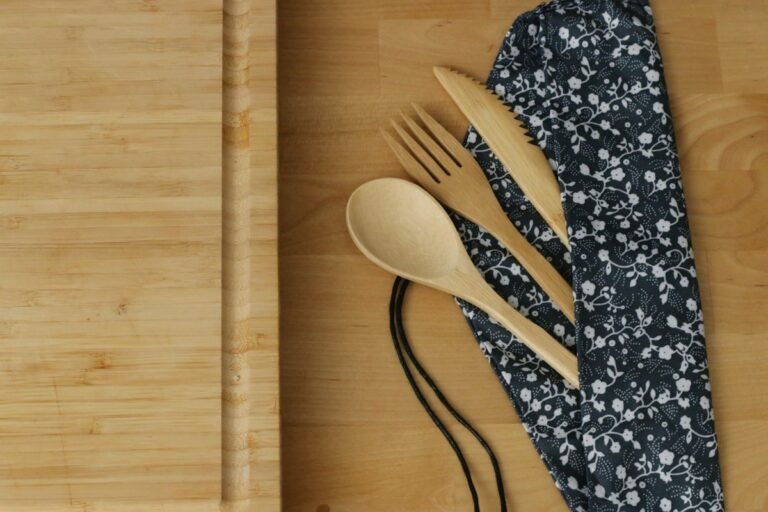
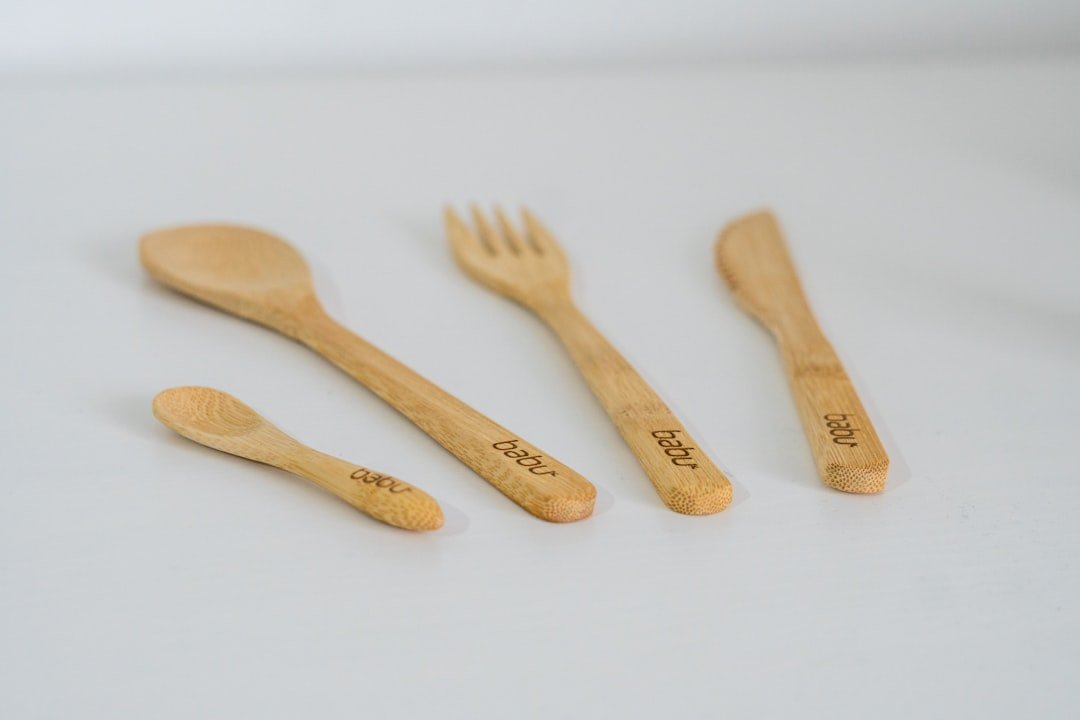
Take-away meals often come with disposable spoons, forks and stirrers. Moments later, they end up in landfill or ocean. Rather than grabbing another plastic set, carry a bamboo cutlery kit.
Bamboo cutlery benefits:
– Naturally antimicrobial: it resists odours and sweat.
– Lightweight and robust: perfect for lunchboxes or picnics.
– Fast renewability: bamboo can grow one metre a day.
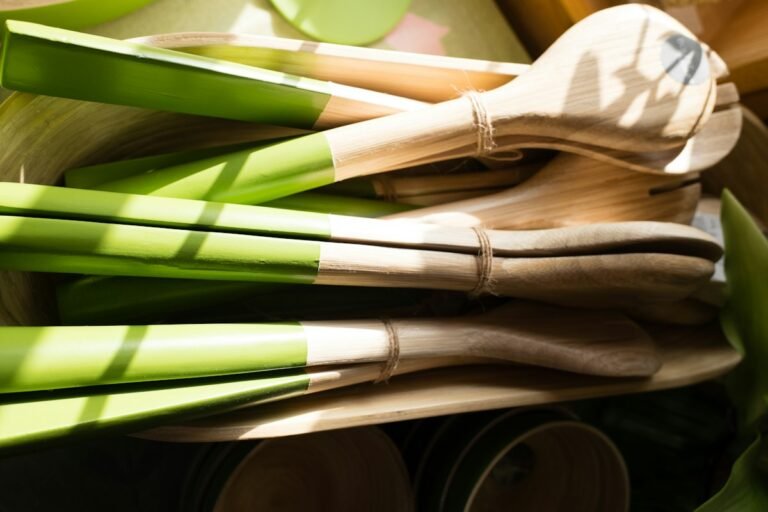
Beyond cutlery, Aegle Sriphal offers bamboo homeware: plates, bowls, storage containers and even planters. Each piece is sanded smooth, finished with food-safe oil and free from synthetic coatings. Swap disposable items for these reusable gems and you’ll see plastic waste plunge.
In fact, using bamboo homeware is a top-tier example of sustainable replacements because the material cycles back to earth harmlessly if broken or worn.
3. Plantable Pencils to Replace Plastic Pens
Plastic pens are everywhere—cafés, offices, promotional giveaways. Most end up in landfill as they’re non-recyclable and full of mixed materials. A surprising hero emerges: the plantable pencil.
Plantable pencils look like normal pencils but have seed capsules at one end. When you’ve used them down to a stub, you pop the remaining piece into soil. Water it. Soon, you get herbs, wildflowers or vegetables.
Why this works:
– Encourages circular thinking: writing tool becomes plant.
– Reduces plastic waste from promotional pens.
– Sparks joy and education—ideal for schools or homes.
Aegle Sriphal’s plantable pencils use natural wood and non-toxic inks. They’re a genuine sustainable replacement for all those single-use pens you lose or discard. Plus, they cultivate a green habit for kids and adults alike.
Explore sustainable replacements at Aegle Sriphal
4. Glass Jars in Place of Plastic Storage Containers
Plastic tubs and bottles warp over time, stain, and hold on to smells. Eventually you pitch them. Glass jars are a classic answer.
Benefits of glass:
– 100 percent inert: no leaching of chemicals.
– Durable and easily sterilised.
– Fully recyclable endlessly without quality loss.
Swap your cereal tubs, jam jars and condiment bottles for clear glass. Bulk stores often let you bring your own jars to refill grains, spices and oils. Aegle Sriphal’s recycled-glass canisters combine airtight bamboo lids with sturdy jars. They make your pantry look chic and keep food fresher.
This simple shift is one of the most overlooked sustainable replacements. It’s a kitchen upgrade that pays back in lower waste, clearer organisation and a touch of timeless style.
5. Stainless Steel Straws Versus Plastic Straws
Plastic straws are the poster child for single use. Yet paper alternatives often turn soggy. Bamboo straws sometimes arrive coated in resin. The most foolproof swap? Stainless steel straws.
Why stainless steel is ideal:
– Corrosion-resistant and dishwasher-safe.
– Smooth, hygienic surface.
– Highly portable: keep one on your keyring or in a pouch.
Aegle Sriphal stocks custom-etched steel straws that slip into a jute carry pouch. They come with a cleaning brush and fit glasses, tumblers, mugs. Using a stainless steel straw is an effortless sustainable replacement you’ll barely notice—until you look back at plastic straws crowding bins.
Putting It All Together
Shifting to these five options might feel daunting at first. Start small. Pick one swap this week. Then add another next week. Soon you’ll develop habits that cut plastic out of your life. Here’s a quick recap:
- Jute totes for shopping
- Bamboo cutlery and homeware
- Plantable pencils to spark greenery
- Glass jars for pantry essentials
- Stainless steel straws on-the-go
Every item is available through Aegle Sriphal’s curated collection, designed to empower mindful consumers across South Asia. By choosing these genuine sustainable replacements, you back local artisans, protect ecosystems, and inspire your community.
Ready to make the full switch? Join the eco-transformation with sustainable replacements
Testimonials
“Switching to Aegle Sriphal’s bamboo cutlery kit was a revelation. No more broken plastic forks on picnics—and I feel good about supporting artisans.”
— Riya Mehta, Ahmedabad
“My kitchen looks organised with those glass jars and bamboo lids. They seal tightly, look gorgeous and last forever. Best sustainable swap I’ve made.”
— Tanmay Singh, Bengaluru
“The plantable pencils are a brilliant idea. My kids love planting the herbs afterwards, and I’ve ditched all those cheap plastic pens.”
— Neha Kapoor, Mumbai
Embracing true alternatives is the key. These aren’t stop-gaps or half-measures. They’re time-tested, earth-friendly, and built to last. Make the change today—your future self (and the planet) will thank you.