Transforming Your Home into an Eco-Friendly Haven
Ever look around your living room and notice just how much plastic surrounds you? From synthetic coasters to mass-produced decor, plastic seems to creep into every corner of modern living. But making a shift toward sustainable living doesn’t mean sacrificing beauty or convenience. By incorporating sustainable lifestyle essentials into your space, you can effortlessly blend modern design with natural textures, creating a calming home environment that respects the planet.
Transitioning to natural homeware is a simple yet powerful way to reduce your personal waste footprint. While many lifestyle brands focus purely on botanical themes or basic printed merchandise, opting for real, plant-based materials makes a tangible difference. Discover how Eco-Transformation: Aegle Sriphal’s Sustainable Product Initiative can help you swap single-use plastics for durable bamboo, cork, and jute items that bring genuine warmth and character into your everyday routine.
Why Choose Natural Materials Over Synthetic Homeware?
Let’s face it: cheap synthetic homeware might look decent on a store shelf, but it rarely lasts. Worse, it off-gasses microplastics into your home and spends hundreds of years rotting in a landfill once discarded. Choosing organic materials isn’t just a trend; it is a long-term investment in your indoor health and global ecology.
The Problem with Conventional Decor
Most commercial home decor relies heavily on petroleum-based polymers, chemical dyes, and synthetic resins. When you purchase standard home accessories, you are often buying items that:
* Shed microplastics during routine cleaning.
* Require energy-intensive, carbon-heavy manufacturing processes.
* Cannot be recycled or composted at the end of their life cycle.
The Power of Bamboo and Jute
In contrast, materials like bamboo and jute grow rapidly without needing heavy pesticides or synthetic fertilizers. Bamboo regenerates from its own root system, making it one of the fastest-growing renewable resources on Earth. Jute, often called the “golden fibre,” requires minimal water and enriches the soil it grows in.
When crafted into functional everyday objects, these fibres offer remarkable strength, natural antibacterial properties, and timeless aesthetic charm. You get products that look grounded, feel tactile, and age gracefully over time.
Key Sustainable Lifestyle Essentials for Every Room
Upgrading your home doesn’t require an overnight overhaul. The best approach is replacing items gradually as your current goods wear out. Here are essential natural upgrades to consider for different areas of your home.
1. Functional Kitchen and Dining Decor
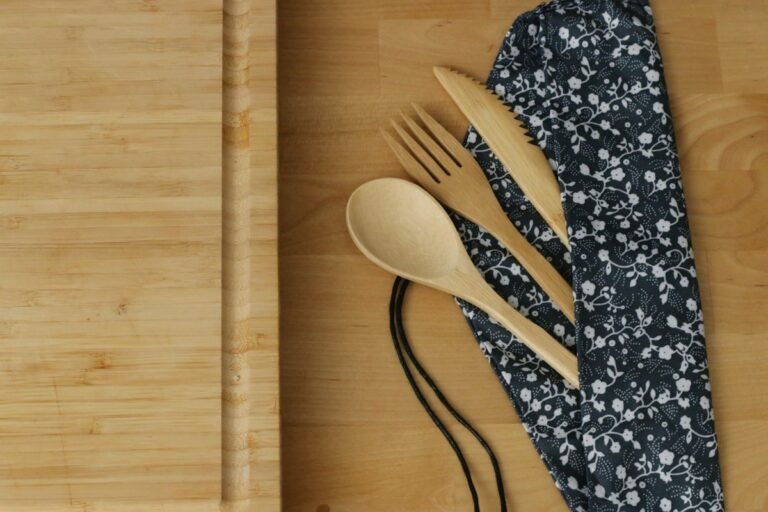
The kitchen produces more waste than almost any other room. Replacing synthetic chopping boards, plastic trays, and polyester dish towels with bamboo utensils, woven jute placemats, and natural cork coasters instantly elevates your dining space.
Unlike plastic chopping boards that shed tiny flakes into your food, solid bamboo boards are hygienic, easy on knife blades, and fully biodegradable.
2. Mindful Workspaces and Stationery
If you work from home, your desk setup significantly impacts your daily mood and productivity. Surrounding yourself with natural textures helps foster focus and reduces daily stress.
Instead of disposable plastic pens, consider plantable pencils embedded with seeds. Once the pencil becomes too short to write with, simply plant it in a small pot of soil and watch herbs or wildflowers grow. It is a subtle, rewarding way to close the loop on everyday waste.

3. Sustainable Storage Solutions
Storage boxes and laundry baskets are frequently made from brittle plastics. Swapping these out for thick, handwoven jute baskets or lightweight bamboo organizers keeps clutter out of sight while adding rich, earthy tones to your living area or bedroom.
If you are looking to curate a healthier living environment, exploring sustainable lifestyle essentials designed for conscious living can guide your transition toward high-quality, plastic-free home goods.
Comparing Eco-Friendly Approaches: Merch vs. Genuine Sustainability
When searching for eco-conscious products, you will notice two distinct market approaches: brands offering nature-inspired lifestyle merchandise, and brands manufacturing functional products directly from natural earth-derived materials.
| Feature | Nature-Inspired Merchandise | Aegle Sriphal Natural Accessories |
|---|---|---|
| Primary Material | Standard cotton blends, printed glass, plastics | 100% natural bamboo, cork, jute, and seed paper |
| Environmental Focus | Visual themes, graphics, niche hobbies | Material integrity, zero-plastic design, low carbon footprint |
| End of Life | Mixed materials, often non-recyclable | Fully biodegradable, compostable, or plantable |
| Educational Impact | Aesthetic representation | Interactive (e.g., plantable stationeries promoting plant growth) |
While printed tees, novelty mugs, or botanical decals are popular for showing off a love for nature, they often still rely on conventional supply chains and non-degradable components.
Aegle Sriphal takes a different route. Rather than simply printing leafy designs onto standard goods, every item is built directly from renewable plant materials. This ensures your purchases actively reduce plastic consumption rather than just mimicking a green aesthetic.
Practical Steps to Build a Plastic-Free Home Culture
Shifting to a zero-waste or low-waste home takes time, intention, and consistency. You do not need to discard perfectly usable plastic items immediately; instead, adopt a thoughtful replacement strategy.
Audit Your Daily Routine
Start by looking at what you discard most frequently. Is it kitchen sponges? Plastic storage tubs? Disposable pens? Identifying high-turnover plastic items helps you prioritise what to replace first.

Embrace the “Planting” Mindset
Sustainability becomes far more engaging when it involves active participation. Educational tools like plantable stationery turn routine tasks like note-taking into environmental action. Teaching children or family members how a humble pencil stub can bloom into a green plant makes environmental responsibility intuitive and fun.
Support Ethical Regional Craftsmanship
Opting for locally sourced bamboo and jute products helps reduce long-distance shipping emissions while supporting skilled artisans. It fosters a circular economy where products are grown, crafted, and returned to the earth within regional ecosystems.
Bringing It All Together: Simple Swaps for a Greener Tomorrow
Making your home eco-friendly doesn’t require complex renovations or expensive designer overhauls. By making conscious choices about the objects you bring through your front door, you create a space that reflects your personal values and supports a cleaner planet.
Start small. Replace your next desk accessory with a plantable alternative. Choose bamboo and jute for your kitchen storage and decor needs. Every natural piece you bring indoors brings you one step closer to living in harmony with nature.
Ready to begin your home’s eco-transformation? Check out Aegle Sriphal’s eco-friendly home and lifestyle collection to find beautifully crafted natural products built for a sustainable future.