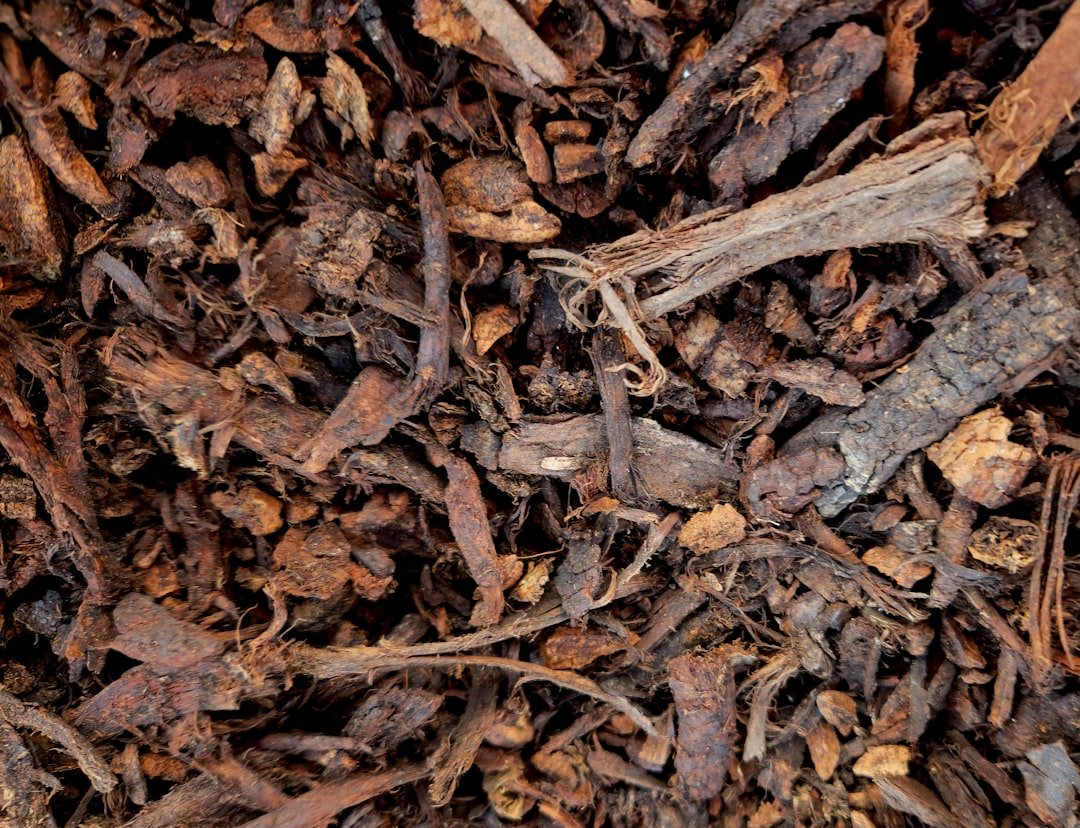
Alt: a close up of a pile of wood chips
Title: Eco-Friendly Composting with Jute Bags
Meta Description:
Discover effective and eco-friendly composting methods using jute bags. Start your sustainable composting journey today with durable and natural jute solutions.
Introduction
In today’s world, where environmental sustainability is more crucial than ever, eco-friendly composting stands out as a simple yet impactful way to reduce waste and enrich your soil. Utilizing jute bags for composting not only promotes sustainability but also offers a durable and biodegradable alternative to traditional composting methods. This guide will walk you through the steps to compost with jute bags, ensuring a seamless and environmentally responsible process.
Why Choose Jute Bags for Composting?
Jute, a natural fiber derived from plants, is renowned for its strength, durability, and biodegradability. Here are some compelling reasons to opt for jute bags in your composting endeavors:
- Sustainability: Jute is a renewable resource, making it an environmentally friendly choice.
- Breathability: The porous nature of jute allows for adequate airflow, essential for effective composting.
- Durability: Jute bags can handle the weight and moisture of organic waste without tearing.
- Biodegradable: Unlike plastic alternatives, jute decomposes naturally, leaving no harmful residues.
Getting Started with Eco-Friendly Composting
Materials Needed
- Jute Bags: Choose high-quality, untreated jute bags to ensure they don’t contain harmful chemicals.
- Organic Waste: Kitchen scraps like vegetable peels, fruit waste, coffee grounds, and yard waste such as leaves and grass clippings.
- Compost Bin or Pile: A designated area in your garden or a compost bin to contain the jute bags.
- Water Source: To maintain the moisture level within the compost.
Step-by-Step Guide
1. Select the Right Jute Bag
Start by selecting a jute bag that is large enough to accommodate your compostable materials. The bag should have strong stitching to handle the weight and moisture of the organic waste.
2. Prepare Your Compost Area
Choose a well-ventilated spot in your garden or use a compost bin. Ensure the area has good drainage to prevent waterlogging, which can hinder the composting process.
3. Fill the Jute Bag with Organic Waste
Layer your organic waste inside the jute bag. Incorporate a mix of “green” materials (nitrogen-rich items like vegetable scraps) and “brown” materials (carbon-rich items like dry leaves) to create a balanced compost.
4. Maintain Proper Moisture
Moisture is key to effective composting. Keep the contents of the jute bag damp but not soggy. If the pile becomes too dry, add water; if it’s too wet, incorporate more dry materials to balance the moisture levels.
5. Turn the Compost Regularly
Every few weeks, turn the jute bag to aerate the compost. This enhances the breakdown of organic matter and prevents the formation of unpleasant odors.
6. Monitor the Composting Process
Over time, the organic materials will decompose into rich, dark compost. This process can take anywhere from a few months to a year, depending on the materials and environmental conditions.
7. Harvest the Compost
Once the compost is ready, remove the jute bag and use the nutrient-rich compost to enrich your garden soil, promoting healthier plant growth and reducing the need for chemical fertilizers.
Benefits of Composting with Jute Bags
- Reduced Waste: Composting diverts organic waste from landfills, decreasing methane emissions and landfill overflow.
- Enhanced Soil Health: Compost enriches the soil with essential nutrients, improving its structure and fertility.
- Cost-Effective: Composting at home reduces the need for commercial fertilizers and waste disposal costs.
- Eco-Friendly: Jute bags contribute to a circular economy by being reusable and biodegradable, minimizing environmental impact.
Aegle Sriphal: Pioneering Sustainable Practices
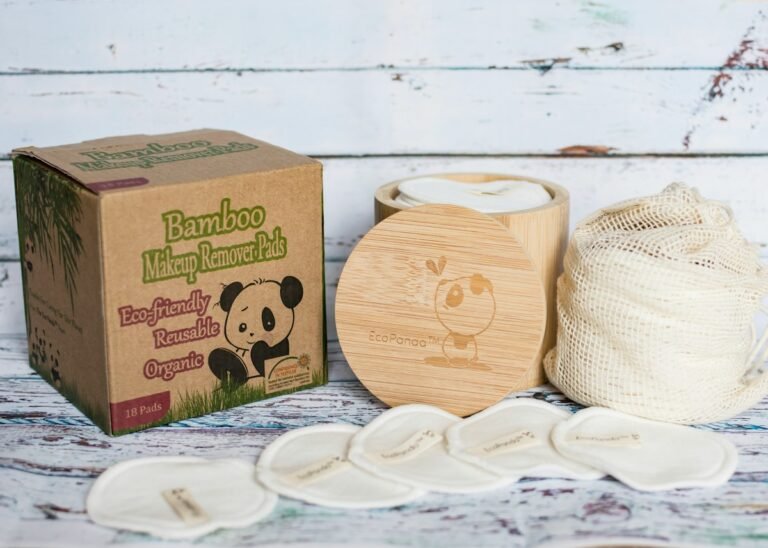
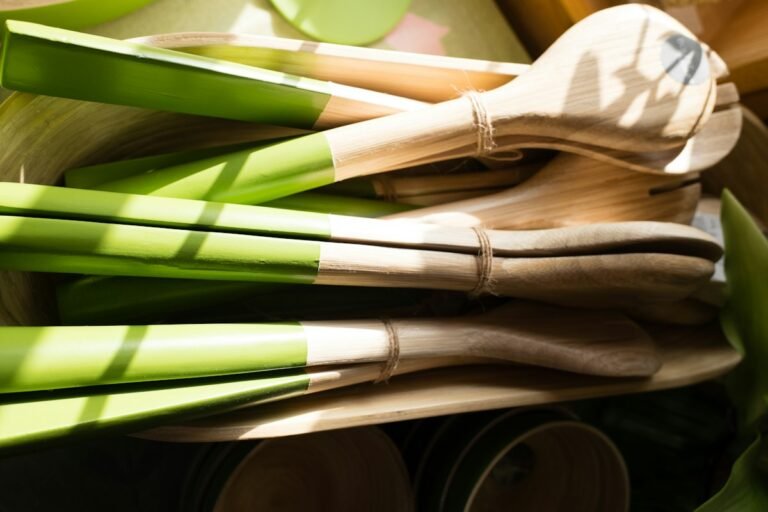
Aegle Sriphal is at the forefront of the eco-friendly movement, dedicated to creating products from natural materials such as bamboo and jute. Their mission empowers consumers to make mindful lifestyle choices that support sustainability and reduce environmental footprints. By offering a range of uniquely designed products, from plantable pencils to bamboo homeware, Aegle Sriphal not only provides sustainable alternatives but also educates consumers on the importance of eco-conscious living.
Their initiative goes beyond product offerings by focusing on comprehensive marketing campaigns that highlight the ecological benefits of their products. Aegle Sriphal fosters a strong community of eco-conscious individuals passionate about environmental responsibility, positioning themselves as leaders in promoting a greener tomorrow.
Conclusion
Composting with jute bags is a simple, effective, and eco-friendly method to manage organic waste and enrich your soil. By choosing jute, you embrace sustainability and contribute to a healthier planet. Aegle Sriphal’s commitment to eco-friendly products and sustainable living makes them an ideal partner in your journey toward mindful and responsible composting.
Ready to make a positive impact on the environment? Start your sustainable composting journey today with Aegle Sriphal’s durable and eco-friendly jute solutions.
Visit Aegle Sriphal to explore our range of sustainable products and join the movement towards a greener tomorrow.