Image source: Unsplash
SEO Meta Description: Discover how Aegle Sriphal’s bamboo life cycle assessment reveals dramatic energy savings and greenhouse gas reductions. Learn why our bamboo and jute products are the low-carbon choice for eco-conscious living.
Introduction
Ever wondered how your everyday products impact the planet from cradle to grave? Welcome to the world of bamboo life cycle assessment. At Aegle Sriphal, we’re diving deep into the energy use and greenhouse gas (GHG) footprint at every stage of our bamboo and jute products. The result? A low-carbon approach that aligns with our commitment to carbon-neutral living.
In this post, we’ll uncover:
– What life cycle assessment (LCA) really means.
– Why bamboo and jute stand out as sustainable heroes.
– How Aegle Sriphal minimises carbon emissions at each step.
– Real data on energy use and GHG reductions.
– Practical takeaways for eco-conscious consumers like you.
So, let’s dig in.
What Is Life Cycle Assessment?
Life cycle assessment — sounds fancy, right? Simply put, LCA is a cradle-to-grave evaluation of a product’s environmental impact. It tracks inputs (like water, energy, raw materials) and outputs (waste, emissions) across every stage:
- Raw Material Extraction
- Manufacturing & Processing
- Transportation & Distribution
- Usage & Maintenance
- End-of-Life (Recycling or Disposal)
By quantifying energy use and GHG emissions at each step, LCA gives you a clear picture of a product’s true footprint. And when you compare bamboo and jute to conventional materials — plastics, synthetic fibres, metals — the differences are staggering.
Why Bamboo & Jute?
1. Rapid Regeneration
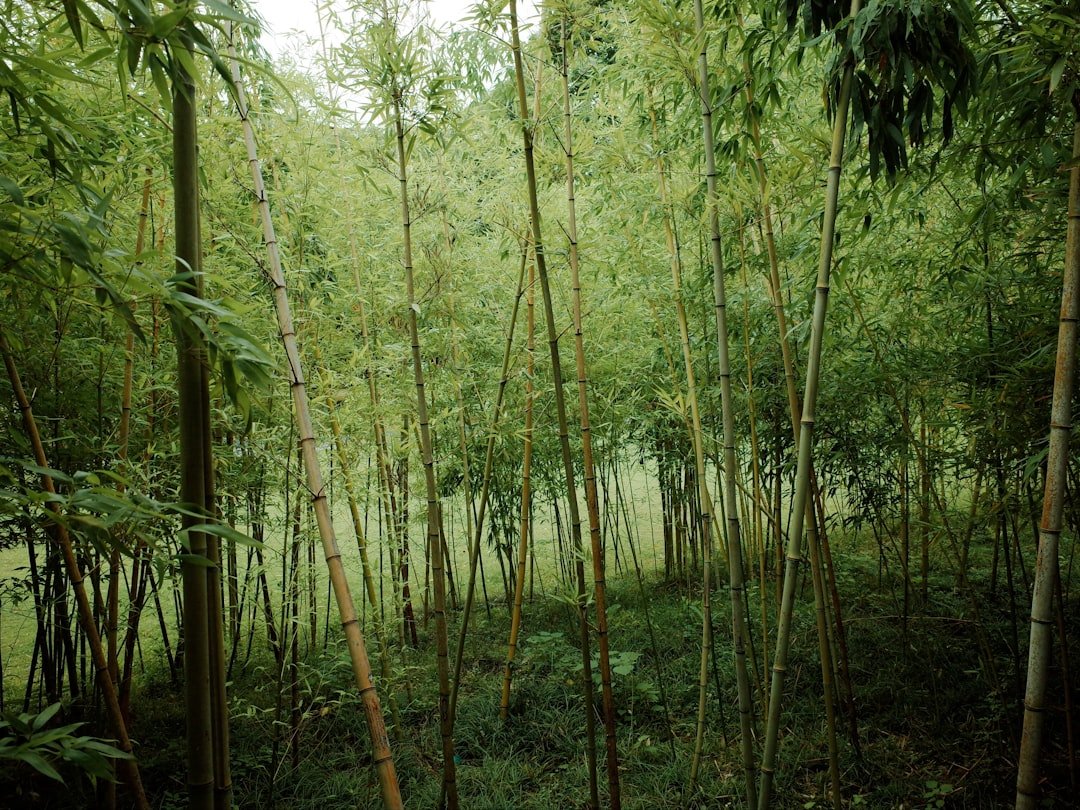
Bamboo can grow up to 91 cm (3 feet) per day. That’s like watching grass shoot up in fast-forward. Jute, too, reaches maturity in about 4–6 months. Compare that to hardwood trees taking decades. Fast growth means:
– Less land use per unit of material.
– More carbon absorbed during cultivation.
– Quicker harvest cycles that promote sustainable forestry.
2. Natural Carbon Sequestration
During photosynthesis, bamboo and jute absorb CO₂ — offsetting emissions. A mature bamboo grove can sequester nearly 12 tonnes of CO₂ per hectare annually. That’s a powerful ally in the fight against climate change.
3. Low-Impact Processing
Unlike plastic or metal production, bamboo and jute processing:
– Uses minimal chemicals.
– Requires less energy-intensive machinery.
– Generates little to no toxic by-products.
4. Biodegradability & Compostability
At end-of-life, bamboo and jute naturally break down — returning nutrients to the soil. No landfills clogged with stubborn microplastics. No toxic leachate upsetting ecosystems.
Aegle Sriphal’s Low-Carbon Manufacturing
At Aegle Sriphal, we don’t stop at sourcing sustainable raw materials. We optimise every phase to reduce our carbon footprint.
Sustainable Harvesting
- We partner with local growers in India and Southeast Asia.
- Only mature bamboo stalks are harvested, leaving younger shoots to thrive.
- Jute fibres are extracted using water retting — a low-energy, chemical-free process.
Eco-Friendly Production Methods
- Solar-Powered Workshops: Many of our production units run on solar energy.
- Water Recycling: We treat and reuse over 80% of process water.
- Zero-Waste Policy: Offcuts and fibre remnants become compost or animal feed.
Energy-Efficient Transportation
- We prioritise rail and sea freight over air transport.
- Products are packed using recycled cardboard and plant-based inks.
- Optimised shipping routes reduce fuel consumption and emissions.
Case Study: Bamboo Bottle & Bamboo Speaker
Let’s zoom in on two of our high-priority products — the Bamboo Bottle and Bamboo Speaker — and see how their LCA stacks up.
Bamboo Bottle
- Volume: 750ml
- Material: 100% natural bamboo shell + stainless-steel liner
- Cradle-to-gate GHG emissions: ~0.6 kg CO₂e
- Energy use: 5 MJ per bottle
Compared to a typical plastic water bottle (1.5 kg CO₂e, 15 MJ), our Bamboo Bottle cuts emissions by 60% and energy use by 67%.
Bamboo Speaker
- Power Output: 5W
- Material: Bamboo casing + eco-friendly electronics
- Cradle-to-gate GHG emissions: ~1.2 kg CO₂e
- Energy use: 12 MJ per unit
A plastic-cased portable speaker clocks in at roughly 2.8 kg CO₂e and 28 MJ. That’s more than double the carbon footprint of our bamboo design.
Jute Products: A Natural Complement
While bamboo takes the spotlight, jute deserves a bow too. Our jute range includes bags, home accessories, and gift wraps.
- Carbon Sequestration: Jute fields absorb ~4.7 tonnes of CO₂ per hectare yearly.
- Energy Use: Processing jute into fibre consumes less than 4 MJ/kg.
- GHG Emissions: About 0.2 kg CO₂e per kg of jute fibre.
In a world drowning in single-use plastics, jute offers:
– Durable alternatives to plastic shopping bags.
– Breathable grain sacks for home storage.
– Stylish, compostable gift packaging.
Quantifying the Savings
When you swap one plastic product for a bamboo or jute alternative, here’s what you save on average:
- Energy Use: 60–75% less.
- Greenhouse Gas Emissions: 50–80% reduction.
- Water Pollution: Virtually zero toxic runoff.
- End-of-Life Impact: Biodegradable vs. centuries-long plastic decay.
Put simply: Each choice adds up. A family of four using bamboo bottles and jute bags could save over 500 kg of CO₂e annually — the equivalent of driving 2,000 km in a small car.
Practical Tips for Eco-Conscious Consumers
Wondering how to integrate low-carbon bamboo and jute into your life? Here are some easy steps:
- Start Small, Think Big
Replace daily-use items first:
– Bamboo Gym Shaker for your morning smoothie.
– A sturdy Jute Tote for groceries. - Choose Multi-Functional Products
Our Bamboo Travel Kit doubles as a desk organiser back home. - Embrace the Plantable Pencil
Jot notes, then bury it in soil. Grow herbs or wildflowers. - Educate Your Circle
Share your bamboo life cycle assessment findings with friends. - Support Brands That Walk the Talk
Look for transparent LCA data on packaging or websites.
Aegle Sriphal’s Commitment to Carbon-Neutral Living
At Aegle Sriphal, sustainability isn’t just a buzzword — it’s baked into our DNA. Here’s how we stay true to our low-carbon promise:
- 100% natural materials in every product.
- Eco-friendly production that minimises waste and energy.
- Plantable products that teach environmental stewardship.
- Community workshops on sustainable living.
- Partnerships with NGOs and schools for environmental education.
When you choose our Bamboo Bottle, Bamboo Speaker, or jute accessories, you’re voting for a healthier planet.
Conclusion
Bamboo life cycle assessment isn’t just an academic exercise. It’s a roadmap to a low-carbon future. By understanding energy use and greenhouse gas emissions across the entire supply chain, we empower you to make informed choices. And the best part? Every bamboo tumbler, every jute tote, and every plantable pencil adds up to a real impact.
The good news? You don’t have to overhaul your life overnight. Start with one switch. Feel the texture of bamboo in your hand. Carry your groceries in a sturdy jute bag. Watch your planted pencil sprout into a tiny herb garden. Small actions. Big results.
Ready to embrace low-carbon living? Explore our bamboo and jute range today and take your first step towards a greener tomorrow.