The Zero-Waste Myth: How Mindful Choices Change Everything
Making the switch to an eco-friendly way of living feels overwhelming when you look at all the plastic in your house. Most people think transitioning to zero-waste means throwing everything away and buying fancy glass jars overnight. That approach actually creates more waste and burns you out quickly. The real secret relies on gradual swaps, choosing natural materials over synthetic ones, and stocking up on Sustainable lifestyle essentials that genuinely stand the test of time.
This guide breaks down practical steps to cut waste without losing your mind or ruining your budget. We will explore how simple material shifts, like switching to handcrafted bamboo and durable jute, radically reduce your daily environmental impact. You will learn how to audit your household rubbish, make smarter daily choices, and adopt functional products that make sustainable living feel completely natural.
Why Natural Materials Matter in Your Daily Routine
Single-use plastic is sneaky. It hides in everyday objects you barely think about:
* Synthetic kitchen sponges that shed microplastics down the drain.
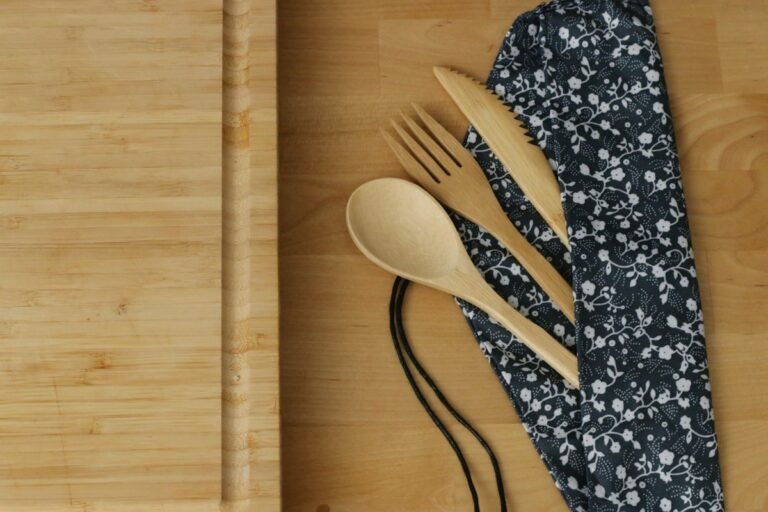
* Disposable plastic cutlery that breaks on the first bite.
* Plastic toothbrush handles that stick around in landfills for hundreds of years.
Replacing these items with natural materials changes the game completely. Bamboo, for instance, grows rapidly without heavy pesticide use, making it ideal for home items. Jute provides an immensely strong, biodegradable fibre that replaces synthetic fabrics easily.
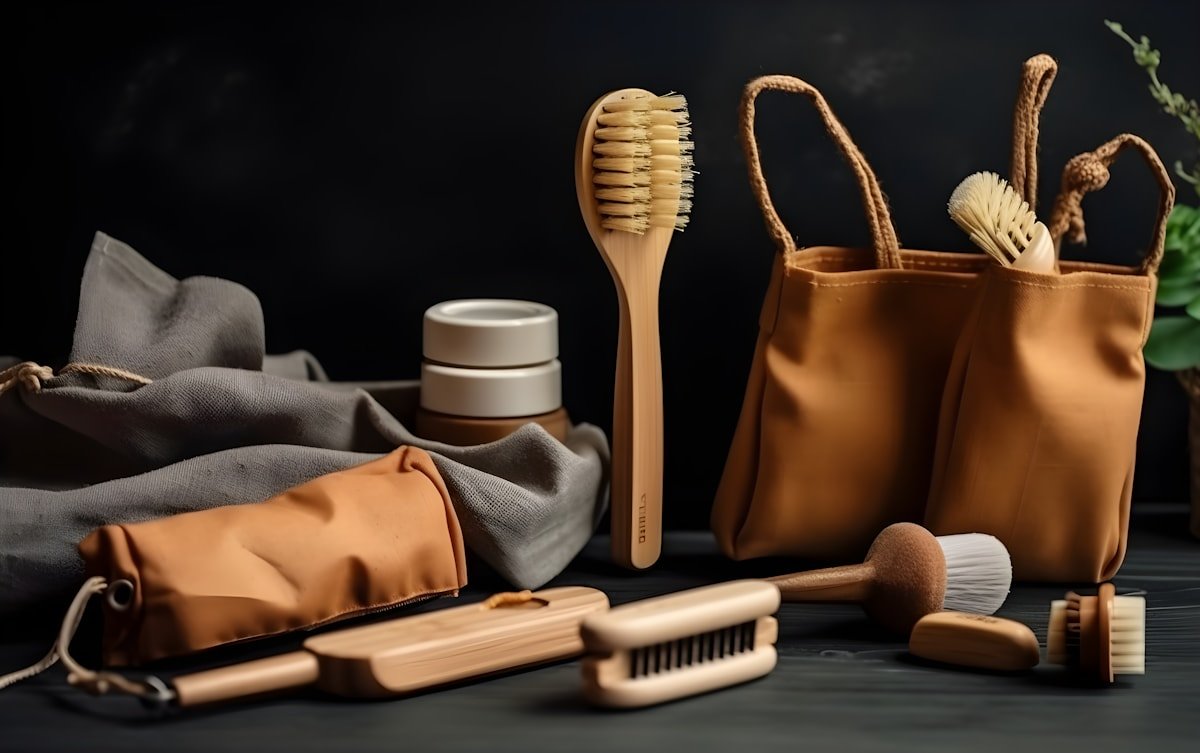
When you bring bamboo homeware and jute tote bags into your daily routine, you eliminate non-biodegradable waste at the source. It is not just about avoiding plastic; it is about choosing materials that return to the Earth naturally once their useful life ends.
The Three-Step Audit for Household Waste
Before you buy any new eco-friendly products, you need to understand what you actually throw away. You cannot fix what you do not measure.
1. Check the Bin
Take a look inside your kitchen and bathroom bins before taking out the rubbish. What fills them up the fastest? Usually, it comes down to three main culprits: food packaging, personal hygiene items, and disposable paper products.
2. Identify Easy Swaps First
Do not try to fix everything at once. Pick the easiest wins first.
* Swap paper towels for washable cloth rags.
* Replace plastic shopping bags with heavy-duty jute bags.
* Switch plastic pens for plantable pencils that grow into flowers or herbs when finished.
3. Focus on Longevity and Quality
When an item reaches the end of its life, replace it with a natural, long-lasting alternative. Buy items designed for durability rather than short-term convenience. Choosing high-quality sustainable lifestyle essentials prevents unnecessary future purchases and keeps unnecessary waste out of local landfills.
Kitchen and Dining: Upgrading Your Everyday Tools
The kitchen produces more household waste than almost any other room. Plastic food storage, synthetic dish brushes, and plastic utensils clutter our drawers and trash bags.
Here is how you can transform your kitchen into a low-waste sanctuary:
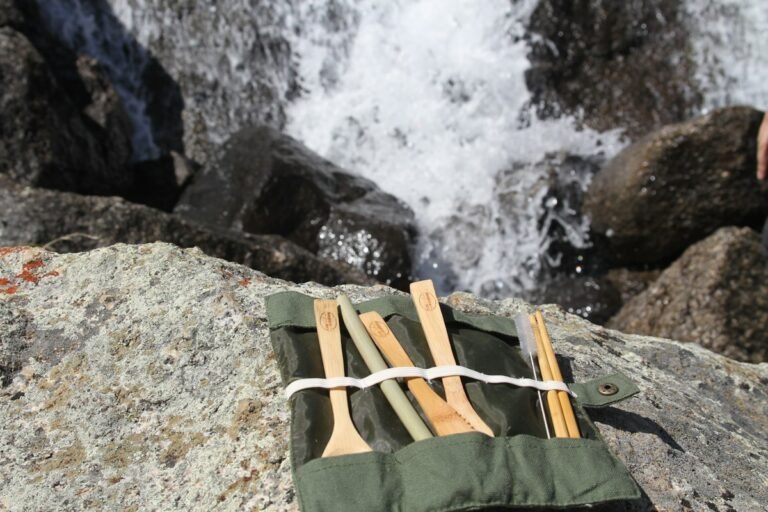
- Bamboo Utensils and Cutting Boards: Bamboo naturally resists water and bacteria. Utensils made from bamboo do not scratch non-stick cookware and last for years when cared for properly.
- Jute Grocery Storage: Ditch flimsy plastic produce bags. Breathable jute bags keep vegetables fresher for longer while keeping single-use plastic out of the grocery store.
- Compostable Cleaning Scraps: Replace nylon scrubbers with natural coconut fibre or bamboo brushes. They clean greasy pans easily without leaching synthetic microplastics into local waterways.
Making these shifts inside your kitchen significantly lowers your weekly waste output without changing how you cook.
Stationery with a Purpose: Mindful Office Supplies
Waste is not limited to the kitchen or bathroom. Workspaces and home offices generate massive amounts of discarded plastic pens, paper, and non-recyclable supplies.
Why use a plastic ballpoint pen that ends up in a landfill after two months when you can use wooden or plantable pencils?
Plantable pencils represent a complete circular design cycle. You use the pencil until it becomes a short stub. Then, instead of tossing it in the bin, you plant it in a pot of soil. The end cap dissolves, releasing seeds that sprout into basil, tomatoes, or wildflowers. It turns trash into living greenery, offering a tangible lesson in zero-waste living for adults and children alike.
Small Habits that Create Massive Regional Impact
Adopting an eco-friendly lifestyle goes far beyond personal benefit. In regions across South Asia, modern waste management infrastructure struggles to process millions of tonnes of daily plastic garbage. Every single household that reduces its reliance on synthetic products lightens the load on municipal systems and local ecosystems.
Supporting handcrafted natural goods also strengthens regional artisan communities. Craftspeople specializing in bamboo weaving and jute processing apply generations of traditional knowledge to produce modern goods. By choosing these materials, you support local economies while defending rivers, ocean habitats, and farmland from persistent plastic pollution.
Overcoming Eco-Anxiety: Aim for Progress, Not Perfection
Many people give up on zero-waste living because they believe one small mistake invalidates their efforts. Forget about fitting a year of trash into a single small mason jar. That standard is unrealistic for almost everyone.
Focus on progress instead:
1. Refuse what you do not need: Say no to promotional plastic trinkets, extra straws, and flyers.
2. Reduce what you use: Buy items in bulk when possible and consume mindfully.
3. Reuse and repair: Fix broken items before replacing them, and repurpose old textiles.
4. Recycle and compost: Send organic waste back to the soil and handle recyclable materials correctly.
If you occasionally accept a plastic container or buy packaged food, do not worry. What matters is the collective impact of millions of people making thoughtful, consistent daily choices.
Building a greener tomorrow requires choosing functional, beautiful tools that align with your environmental values. Start exploring smart, eco-friendly choices today by investing in handcrafted sustainable lifestyle essentials that support your journey toward zero-waste living.