Rethinking Everyday Objects: Your Path to Mindful Living
Single-use plastics have quietly invaded every corner of our daily routine. From the toothbrush you pick up every morning to the grocery bag you carry home at night, synthetic materials leave a massive footprint on the planet. Making a permanent shift to a greener lifestyle does not mean throwing away everything you own or living without modern comforts. It starts with small, deliberate choices that replace harm with harmony. When you curate everyday items crafted from pure, renewable materials, you begin a lasting transition towards true environmental responsibility.
Adopting sustainable lifestyle essentials is not just a passing trend, it is a practical blueprint for preserving natural resources without sacrificing quality or style. By replacing disposable items with natural alternatives like bamboo, jute, and seed-embedded paper, you actively minimise waste every single day. If you are ready to make a genuine impact on the environment through thoughtful design, explore Eco-Transformation: Aegle Sriphal’s Sustainable Product Initiative to discover how natural materials can revolutionize your daily routine.
Why Modern Eco-Conscious Living Starts at Home
We talk a lot about global climate initiatives and massive industrial reforms. But what about the stuff sitting on your kitchen counter?
Every item in your living space carries an environmental cost. Conventional consumer goods rely heavily on petroleum-derived plastics, toxic chemical coatings, and energy-intensive manufacturing processes. Once discarded, these items sit in landfills for centuries, breaking down into microplastics that poison soil and waterways.
Transitioning to natural materials flips this script entirely.
The Magic of Bamboo and Jute
Why are bamboo and jute taking center stage in eco-friendly household design? It comes down to their biological efficiency and natural strength.
- Rapid Regeneration: Bamboo is one of the fastest-growing plants on Earth. Some species grow almost a metre in twenty-four hours! It requires zero pesticides and very little water compared to cotton or timber trees.
- Soil Health and Carbon Sequestration: Both bamboo and jute absorb vast amounts of carbon dioxide while releasing clean oxygen back into the atmosphere. Their deep root systems prevent soil erosion and keep farmland fertile.
- Complete Biodegradability: When a jute tote or bamboo utensil finally reaches the end of its lifespan, it returns naturally to the earth. No microplastics, no toxic residue.
Using materials that give back to the Earth ensures your daily habits feed into a circular economy rather than a linear landfill model.
Simple Swaps for Your Daily Routine
You do not need to overhaul your entire house overnight. In fact, doing that usually creates more waste. The secret lies in replacing items naturally as they wear out. Here are four key areas where simple swaps make a massive difference.

1. Ditch Plastic in the Bathroom
The personal care sector produces billions of plastic bottles, tubes, and razors every year.
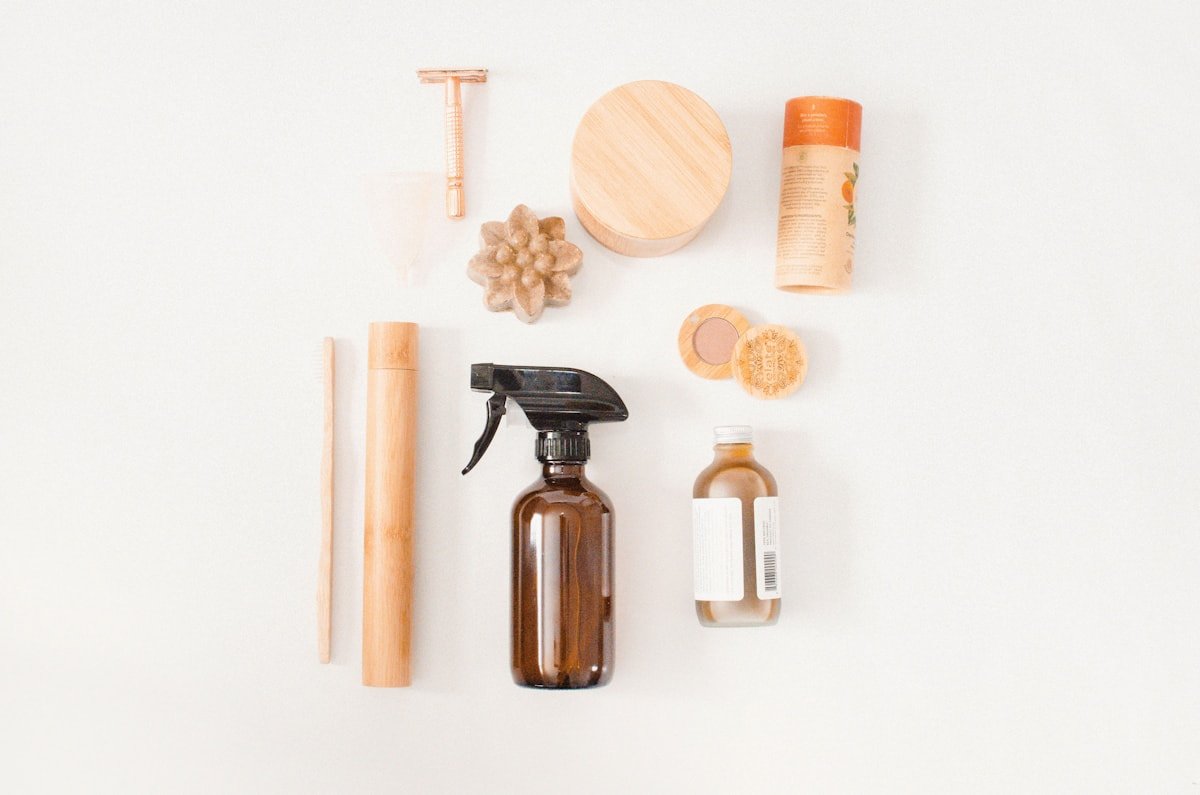
- Bamboo Toothbrushes: Swap synthetic nylon handles for naturally antimicrobial bamboo handles.
- Solid Shampoo Bars: Ditch liquid soaps in plastic bottles for solid bars wrapped in recycled paper or compostable materials.
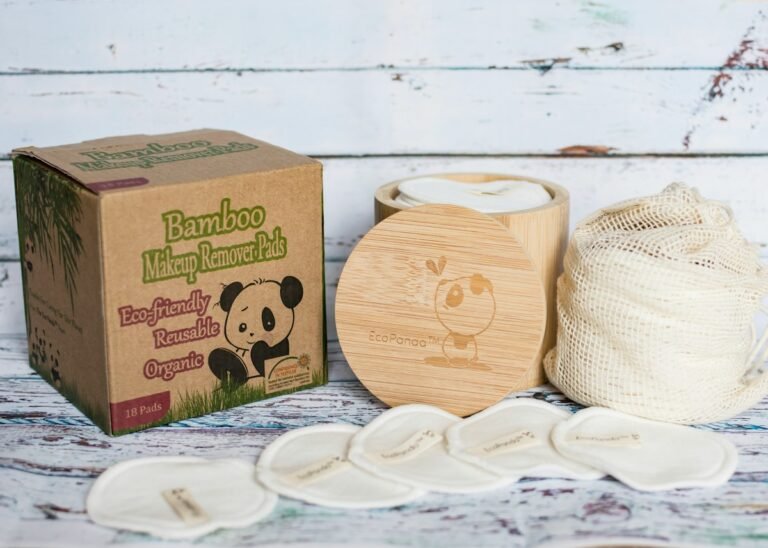
- Reusable Cotton and Bamboo Rounds: Replace disposable makeup wipes with washable fabric pads that last for years.
2. Upgrade Your Daily Workspace
Office supplies are surprisingly wasteful. Plastic pens, synthetic desk organisers, and non-recyclable notebooks pile up fast.
Have you ever used a plantable pencil? When the pencil becomes too short to write with, you plant the stub in a pot of soil. Seed capsules embedded in the end germinate into fresh herbs, wildflowers, or vegetables. It turns a discarded item into new life, making it a wonderful way to teach children and colleagues about sustainability.
If you are looking to make your workspace eco-friendly while supporting local green initiatives, you can explore sustainable lifestyle essentials at Aegle Sriphal and find thoughtful, natural alternatives designed for everyday use.
3. Kitchen and Dining Essentials
The kitchen is often the single biggest generator of household plastic waste.
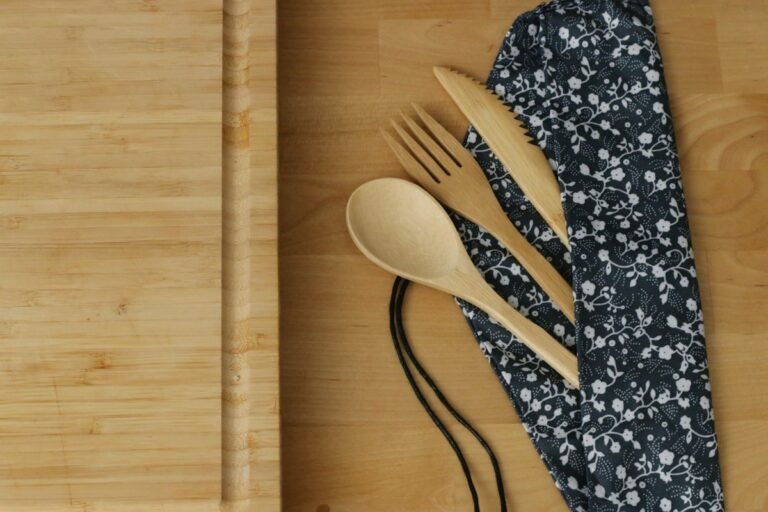
- Bamboo Homeware: Replace plastic chopping boards and melamine bowls with smooth, durable bamboo alternatives. Bamboo handles heat and moisture remarkably well without leaching harmful chemicals into your food.
- Jute Storage Bags: Ditch plastic wrap and synthetic mesh bags. Jute breathability makes it ideal for storing onions, potatoes, and dry goods while keeping your pantry organised naturally.
4. Eco-Friendly Travel and Shopping
Single-use plastic bags remain a massive ecological hazard. Keeping two or three lightweight jute bags near your front door or inside your car ensures you never need a disposable carrier bag again. Jute fibres are exceptionally resilient, handling heavy groceries effortlessly while adding a rustic, natural aesthetic to your daily errands.
How Consumer Education Drives Real Societal Change
Buying eco-friendly products is only half the battle. True long-term transformation happens when consumers understand why these choices matter.
Many mainstream items hide their environmental impact behind slick packaging. Understanding concepts like supply chain transparency, zero-waste design, and material life cycles helps you cut through greenwashing.
When you buy handcrafted bamboo homeware or natural jute products, you are not just purchasing an item; you are supporting ethical manufacturing practices. You are choosing fair labor, renewable sourcing, and zero-chemical processing over cheap, mass-produced synthetic alternatives.

Grassroots Partnerships and Institutional Impact
Changing mindsets requires meeting people where they live, study, and work. Educational institutions, corporate offices, and community organisations across South Asia are stepping up to lead this transition.
- Schools and Universities: Integrating plantable stationery and sustainable crafts into classrooms teaches students about circular systems early in life.
- Corporate Wellness and Sustainability: Companies are replacing plastic corporate gifts with eco-conscious kits containing bamboo pens, jute totes, and reusable drinkware.
- Community Initiatives: Local workshops focusing on waste reduction and composting help neighborhoods lower their collective environmental footprint.
By aligning individual choices with broader institutional efforts, sustainable habits move from a niche luxury to a standard way of life.
Cultivating a Mindful Mindset: Beyond the Products
A truly sustainable lifestyle goes deeper than simply changing what you buy. It involves changing how you interact with resources altogether.
- Buy Less, Choose Well: Always ask yourself if an item is truly necessary before making a purchase. Quality over quantity is the ultimate sustainability strategy.
- Repurpose and Repair: Fix broken items, mend fabric bags, and find creative new uses for wooden boxes before throwing them away.
- Embrace Minimalist Design: Streamlining your living environment reduces stress and keeps your focus on meaningful experiences rather than endless material accumulation.
- Share the Knowledge: Share your eco-friendly tips with friends and family. Positive peer encouragement creates a ripple effect across entire communities.
Every small decision builds momentum. By intentionally choosing clean, renewable, plant-based items for your daily needs, you help build a future where human living works alongside nature rather than against it.
Ready to take your next steps toward conscious living? Check out the full range of natural bamboo, jute, and plantable offerings by visiting Aegle Sriphal’s eco-friendly collections today and begin building a cleaner, greener home environment.