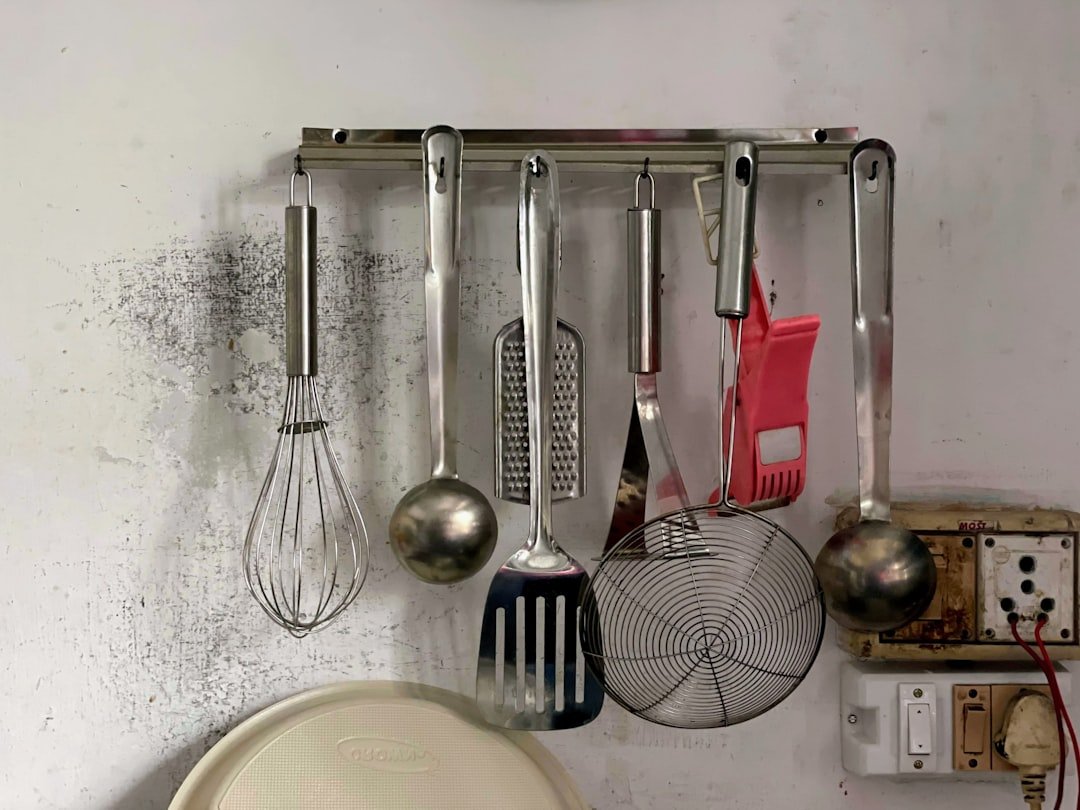
Alt: a kitchen wall with a bunch of cooking utensils hanging on it. Title: Top 10 Sustainable Kitchen Products and Best Practices for 2025
Meta Description: Discover the top 10 sustainable kitchen products of 2025 and best eco-friendly practices to transform your kitchen into an eco-conscious space.
In 2025, building a greener home kitchen isn’t just a trend—it’s a necessity. By choosing the best eco-friendly kitchen tools, you reduce plastic waste, conserve resources, and support ethical production. Whether you’re an aspiring home cook or running a small eco-focused business in Europe, these sustainable picks and habits will transform your daily routine.
Why Switch to Eco-Friendly Kitchen Tools?
Switching to green products is about more than style. It’s personal and planetary health rolled into one:
- Reduce plastic waste: Traditional plastic dominates kitchenware. These replacements are often refillable or compostable.
- Support ethical brands: Many makers use fair-trade materials and eco-friendly manufacturing.
- Improve indoor air quality: Some synthetic cleaners off-gas irritants—natural alternatives keep your kitchen fresher.
- Save money over time: High-quality tools last years. Bye-bye single-use disposables.
By upgrading to the best eco-friendly kitchen tools, you not only feel good—you act good.
Top 10 Sustainable Kitchen Products for 2025
Here are our curated picks for the year. Each product blends functionality with sustainability:
FSC-Certified Bamboo Cutting Boards
– Made from fast-growing bamboo—no old-growth forests sacrificed.
– Naturally antimicrobial surface.
– Lightweight, durable and stylish.Reusable Food-Grade Silicone Bags
– Replace hundreds of single-use zip-lock bags per year.
– Heat-resistant: freezer to microwave.
– Dishwasher-safe and seal tightly.Plant-Based Dish Brushes
– Heads made from palm or sisal fibers.
– Handle carved from sustainably harvested wood.
– Fully compostable at end-of-life.Bamboo Utensil Set
– Forks, knives, spoons and straws crafted from renewable bamboo.
– Perfect for camping, lunchboxes or everyday home use.
– Natural finish—no harmful varnish.Recycled Bamboo Colander & Pour Bowl
– Finished with plant-based resins, free of BPA and PVC.
– Dual-purpose pouring spout on the bowl.
– Modern colour options brighten any kitchen.Zero-Waste Loofah Scrub Sponges
– Made from 100% biodegradable plant fibers.
– Two-layer design for scrubbing and soft wiping.
– Simply microwave or boil to sanitize.Organic Cotton Reusable Cloths
– Replace paper towels with absorbent, machine-washable flannels.
– Soft on surfaces yet tough on spills.
– Comes in neutral or fun prints.Stainless Steel Drinking Straws & Utensils
– Sleek, durable and fully recyclable.
– Carry in a handy fabric pouch.
– No plastic taste, no landfill.Tempered Glass Storage Jars
– Airtight lids keep dry goods fresh.
– Clear sides let you see contents at a glance.
– Dishwasher-proof and long-lasting.Concentrated Eco Dish Soap Tablets
– Plastic-free refill pouches drop into a reusable pump bottle.
– Plant-derived surfactants cut grease with zero harsh chemicals.
– One pouch equals dozens of washes.
Each of these best eco-friendly kitchen tools helps you build a truly circular kitchen. They look good, feel good—and you won’t reach for single-use plastics ever again.
Best Practices for an Eco-Conscious Kitchen
Buying the right tools goes hand-in-hand with mindful habits. Try these simple steps:
- Batch cooking: Save energy by using your oven or cooktop less often.
- Compost food scraps: Collect peels and coffee grounds for a home compost bin.
- Shop local: Support nearby farmers and reduce food miles.
- DIY cleaners: Vinegar, baking soda and citrus peels tackle mess without toxins.
- Repair over replace: Sand and oil wooden boards. Mend small cracks in utensils.
These habits slot right into your daily routine—no drastic lifestyle overhaul required.
Aegle Sriphal’s Role in Sustainable Kitchen Content
Running a kitchenware brand or eco-friendly store? You know that high-quality content boosts discovery. That’s where Maggie’s AutoBlog comes in. This AI-powered platform automatically generates SEO and GEO-targeted articles—like this one—tailored to your product line and customer base.
- Real-time keyword optimisation for “best eco-friendly kitchen tools”
- Fully automated: takes your website catalogue and crafts engaging blogs
- Localises content for European or regional audiences
- Saves time and overhead without hiring an in-house editorial team
Imagine publishing fresh, on-brand articles every week, positioning your business as a thought leader in eco-friendly products and conscious living.
How to Integrate These Tools in Your Kitchen
- Audit your current kitchenware drawer. Toss single-use items responsibly—recycle or compost.
- Replace one item at a time. Start with your most-used tool (like sponges) and swap for a compostable version.
- Label and organise. Use glass jars and cloth bags to keep dry ingredients tidy, reducing over-buying.
- Educate family or staff. Host a mini-workshop or share a quick guide on eco-practices.
- Track your impact. Note how much plastic waste you diverted each month.
Small changes add up. Soon you’ll have a top-tier kit of sustainable kitchen essentials.
Frequently Asked Questions
Q: Are bamboo utensils dishwasher safe?
A: Look for FSC-certified products. Many withstand top-rack dishwashers, but hand-washing extends life.
Q: Do silicone bags hold liquids?
A: Yes! They seal completely and resist leaks. Great for marinating, freezing soups, or sous-vide.
Q: How often should I replace loofah sponges?
A: Roughly every 1–2 months, depending on use. They biodegrade in a home compost once worn.
Final Thoughts
By choosing the best eco-friendly kitchen tools and adopting green habits, you’ll reduce waste, support sustainable materials like bamboo and organic cotton, and create an inviting, planet-friendly cooking space. And if you’re a small to medium enterprise, let Maggie’s AutoBlog power your content strategy—so you spend less time blogging and more time innovating your product lineup.
Ready to elevate your kitchen and your marketing?
Start your free trial or get a personalised demo today →
https://aeglesriphal.com/
Let’s cook up a greener future—one utensil at a time.